Nitrates: The Surprising Link Between Food Source, Water, and Dementia Risk
Some links in this article are affiliate links. As an Amazon Associate and partner of other programs, Vitalheros may earn a commission from qualifying purchases, at no extra cost to you. This never influences our editorial coverage.
For decades, nitrates and nitrites have been viewed with a degree of suspicion in public health circles, often linked to concerns about carcinogenicity, particularly when found in processed meats. These nitrogen-containing compounds exist naturally in our environment, our bodies, and in a wide array of foods. However, recent, compelling research is challenging this simplistic view, revealing a more nuanced story about their impact on health, especially brain health.
A significant long-term study involving over 54,000 adults has shed new light on the relationship between nitrate and nitrite intake and the risk of developing dementia. The key takeaway? The source of these compounds appears to matter far more than the total quantity consumed. This research suggests that while certain sources may elevate dementia risk, others, particularly vegetables, might actually offer a protective effect.
The Dual Nature of Nitrates and Nitrites
Nitrates (NO3-) and nitrites (NO2-) are inorganic compounds of nitrogen and oxygen. Once consumed, nitrates can be converted into nitrites in the body, primarily by bacteria in the mouth and gut. Nitrites, in turn, can be further converted into nitric oxide (NO), a vital signaling molecule involved in numerous physiological processes, including blood vessel dilation, blood pressure regulation, and immune function. However, nitrites can also react with amines to form N-nitrosamines, some of which are known carcinogens.
The traditional concern has centered on the formation of these potentially harmful nitrosamines, especially in environments lacking protective co-factors. This new research emphasizes that the dietary “package” in which nitrates and nitrites arrive dramatically influences their ultimate effect on our health.
Source Matters: A Deeper Dive into Dementia Risk
The extensive study meticulously tracked dietary habits and health outcomes over many years, allowing researchers to draw powerful correlations between specific sources of nitrates/nitrites and dementia risk. The findings suggest a clear divergence based on where these compounds originate:
Vegetable-Derived Nitrates: A Protective Alliance
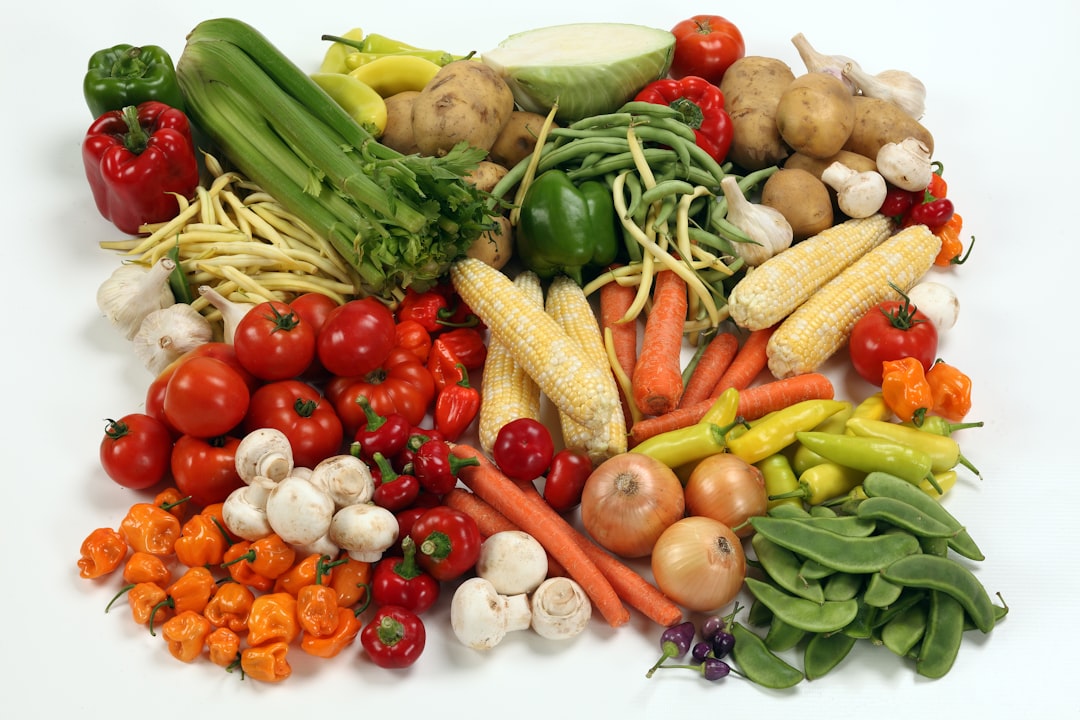
The study observed that individuals who consumed higher amounts of nitrates from vegetables demonstrated a lower risk of developing dementia. The amount associated with this protective effect was roughly equivalent to the nitrate content found in about a cup of baby spinach daily. This finding aligns with a growing body of evidence supporting the brain-protective benefits of a diet rich in plant foods.
Vegetables are not just sources of nitrates; they are complex matrices of nutrients. They provide a wealth of antioxidants like vitamin C, polyphenols, and other phytochemicals that can counteract the formation of harmful nitrosamines and promote the beneficial conversion of nitrites into nitric oxide, which is crucial for vascular health and cognitive function.
Red and Processed Meat Nitrates: Heightened Risk
In stark contrast, higher nitrate and nitrite intake from red meat and processed meat was linked to an increased risk of dementia. This outcome is particularly concerning given the widespread consumption of these foods globally.
The underlying mechanisms are likely multi-faceted. Processed meats often contain higher levels of nitrites as curing agents, alongside other compounds like heme iron, saturated fats, and sodium. When cooked, especially at high temperatures, these ingredients can facilitate the formation of harmful N-nitrosamines. Furthermore, the absence of protective compounds found in vegetables means there’s little to mitigate these potentially detrimental reactions.
Drinking Water Nitrates: An Environmental Factor
Perhaps one of the more surprising revelations was the link between higher nitrate and nitrite intake from drinking water and an elevated risk of dementia. While typically not the primary source of dietary nitrates for most people, water contamination can be a significant concern in certain regions.
Nitrates in drinking water often originate from agricultural runoff, sewage, or industrial waste. Unlike nitrates consumed within a vegetable matrix, those in water come without any accompanying antioxidants or beneficial compounds. This “isolated” form of nitrate might behave differently in the body, potentially contributing to oxidative stress or other pathways implicated in neurodegeneration.
The “Food Matrix” Effect: Why the Difference?
The concept of the “food matrix” is central to understanding these divergent effects. It posits that nutrients and compounds within whole foods interact synergistically, influencing their bioavailability and biological effects. A nutrient consumed in isolation may behave very differently than the same nutrient consumed as part of a complex food.
- Vegetables: Packed with vitamin C, vitamin E, polyphenols, and other antioxidants. These compounds act as powerful inhibitors of nitrosamine formation, steering the metabolic pathway towards beneficial nitric oxide production. This promotes healthy blood flow, which is vital for brain function, and reduces oxidative stress, a key factor in neurodegenerative diseases.
- Red and Processed Meats: Often lack these protective compounds. The presence of heme iron can catalyze nitrosamine formation, and high-temperature cooking methods (e.g., grilling, frying) can further exacerbate this process, creating a less favorable environment for nitrate metabolism.
- Drinking Water: Provides nitrates without any accompanying beneficial matrix. This makes the body more vulnerable to potential negative effects, as there are no natural buffers to guide the compounds towards beneficial pathways or neutralize harmful reactions.
Practical Steps for Brain-Healthy Eating
This research underscores the importance of mindful dietary choices not just for general health, but specifically for long-term cognitive vitality. While the study highlights associations and not direct causation, the implications for dietary guidance are clear:
- Embrace Leafy Greens: Prioritize nitrate-rich vegetables like spinach, kale, arugula, and beets. Their broad spectrum of nutrients makes them powerful allies for brain health. Aim for diverse plant-based foods daily.
- Moderate Red and Processed Meats: Consider reducing your intake of processed meats (like bacon, sausage, and deli meats) and red meats. When consumed, pair them with plenty of antioxidant-rich vegetables.
- Know Your Water: If you rely on well water or live in an area with potential agricultural runoff, consider testing your drinking water for nitrate levels. Filtration systems can be an option if levels are a concern.
- Focus on Whole Foods: Emphasize a diet rich in whole, unprocessed foods. This approach naturally increases your intake of protective compounds while reducing exposure to potentially harmful additives and byproducts.
The science of nutrition is continuously evolving, and this study provides another compelling piece to the puzzle of how our diet influences cognitive aging. It moves beyond simply counting nutrients and instead emphasizes the crucial context of the food itself.
Explore more in our Nutrition & Performance coverage.
🔬 Scientific Takeaway
A major long-term study indicates that the source of nitrates and nitrites significantly influences dementia risk. High intake from vegetables is associated with a lower risk, likely due to protective co-factors. Conversely, nitrates from red meat, processed meat, and drinking water are linked to an elevated risk, suggesting the 'food matrix' plays a crucial role in their impact on brain health.
Sources & References
Photo by Randy Fath on Unsplash.
Medical Disclaimer: This article is AI-assisted and reviewed by the Vitalheros editorial team. It is provided for informational purposes only and is not a substitute for professional medical advice, diagnosis, or treatment. Always consult a qualified healthcare provider. Reviewed by The Vitalheros Editorial Team.