Unlocking Pancreatic Cancer’s Secrets: A Cellular Map Reveals Tumor Origins
Some links in this article are affiliate links. As an Amazon Associate and partner of other programs, Vitalheros may earn a commission from qualifying purchases, at no extra cost to you. This never influences our editorial coverage.
Pancreatic cancer stands as one of oncology’s most formidable adversaries. Its aggressive nature, coupled with a late diagnosis for the vast majority of patients, contributes to an alarmingly low survival rate. For decades, researchers have grappled with its complexities, seeking any advantage to turn the tide against this silent killer.
Now, a significant stride forward has been made. Scientists have embarked on a meticulous journey to map the healthy human pancreas at an unprecedented cellular resolution. This detailed cellular atlas is not merely an academic exercise; it has begun to reveal the very origins of pancreatic tumors, offering a crucial new perspective on how this deadly disease takes root and progresses.
Understanding where and how cancer begins within seemingly healthy tissue is a foundational step toward developing strategies for earlier detection, more effective prevention, and targeted therapies that could fundamentally alter the prognosis for patients.
The Enigma of Pancreatic Cancer
A Formidable Foe
Pancreatic cancer often presents no clear symptoms until it has advanced to a stage where treatment options are limited. Located deep within the abdomen, the pancreas is difficult to examine, and its early changes are easily overlooked. By the time symptoms like jaundice, unexplained weight loss, or abdominal pain appear, the cancer has frequently metastasized, spreading to other parts of the body.
The most common form, pancreatic ductal adenocarcinoma (PDAC), is notoriously aggressive. Its tumors are encased in a dense, fibrous stroma that acts as a protective barrier, hindering drug delivery and fueling resistance to conventional chemotherapy and radiation. This biological fortress makes effective treatment a significant challenge, underscoring the urgent need for new insights into its fundamental biology.
The Quest for Early Detection
Current diagnostic tools, while improving, still struggle to catch pancreatic cancer in its nascent stages. Blood tests lack the specificity needed for widespread screening, and imaging techniques often detect tumors only once they’ve grown to a considerable size. The scientific community has long recognized that shifting the diagnostic window to an earlier, pre-symptomatic phase is paramount to improving patient outcomes. This requires a deeper understanding of the cellular and molecular events that precede full-blown malignancy.
Unveiling the Pancreas: A Cellular Atlas
Mapping Healthy Tissue with Precision
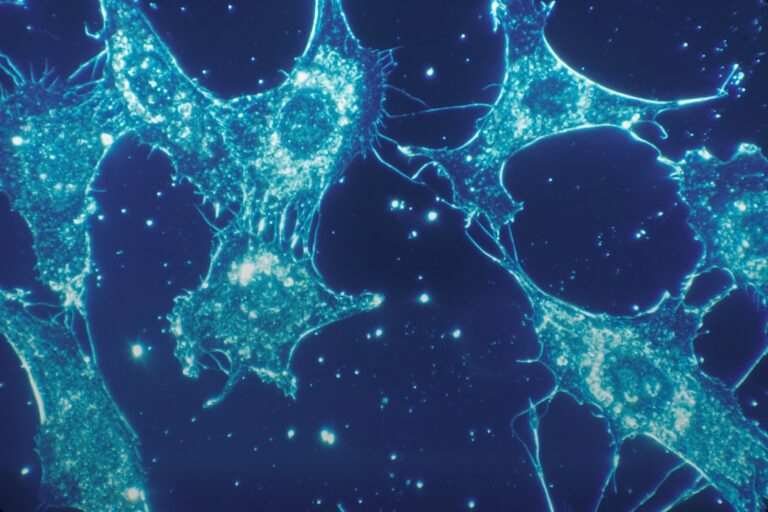
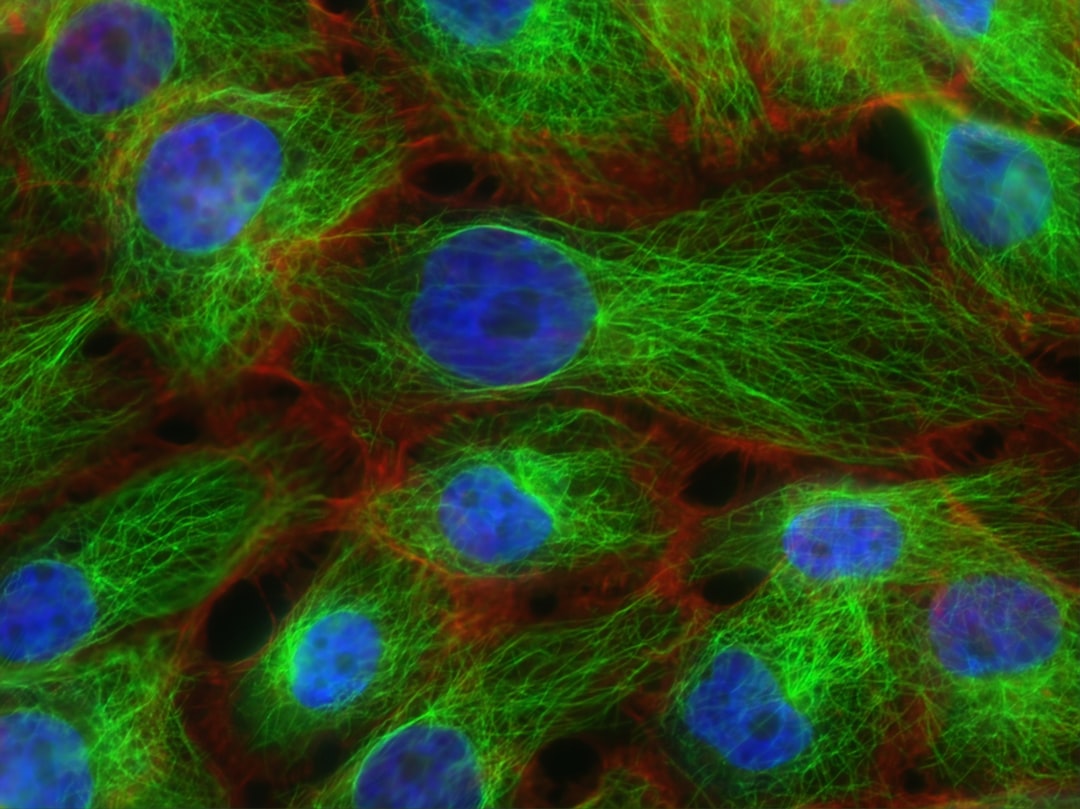
The recent breakthrough hinges on advanced cellular mapping technologies, often involving techniques like single-cell RNA sequencing and spatial transcriptomics. These methods allow researchers to analyze individual cells within a tissue, identifying their unique genetic profiles, functions, and even their precise location. By applying these powerful tools to healthy pancreatic tissue, scientists can create a comprehensive
Explore more in our Digital Health coverage.
🔬 Scientific Takeaway
This research utilized advanced cellular mapping techniques to create a detailed atlas of the healthy human pancreas. By identifying specific cell types and molecular pathways that serve as precursors to malignancy, scientists have gained unprecedented insight into the earliest stages of pancreatic tumor development. This foundational understanding paves the way for novel strategies aimed at earlier detection and more effective, targeted interventions against this aggressive cancer.
Sources & References
Photo by National Cancer Institute on Unsplash.
Medical Disclaimer: This article is AI-assisted and reviewed by the Vitalheros editorial team. It is provided for informational purposes only and is not a substitute for professional medical advice, diagnosis, or treatment. Always consult a qualified healthcare provider. Reviewed by The Vitalheros Editorial Team.