Low-Dose Rapamycin: A Closer Look at Its Impact on Immune Aging
Some links in this article are affiliate links. As an Amazon Associate and partner of other programs, Vitalheros may earn a commission from qualifying purchases, at no extra cost to you. This never influences our editorial coverage.
The quest for healthy longevity often leads researchers down fascinating paths, exploring compounds that might slow the hands of time. Among these, rapamycin has emerged as a particularly intriguing candidate. Known for its potent immunosuppressive properties at high doses, it has long been a cornerstone in transplant medicine. However, a growing body of evidence from animal studies suggests that at much lower doses, rapamycin can mimic the beneficial effects of calorie restriction, extending lifespan and healthspan across various species.
This dual nature presents a critical question for longevity enthusiasts and scientists alike: How does rapamycin, an established immunosuppressant, exert its anti-aging effects without compromising the body’s immune defenses? A recent study offers valuable insights, investigating the impact of prolonged, low-dose rapamycin on the aging immune system in mice, with findings that could reshape our understanding of its potential as a longevity intervention.
Rapamycin and the mTOR Pathway: A Central Regulator of Aging
At the heart of rapamycin’s mechanism lies its interaction with the mechanistic Target of Rapamycin (mTOR) pathway. mTOR is a fundamental cellular sensor that orchestrates cell growth, proliferation, metabolism, and survival in response to nutrient availability and growth factors. It acts as a master switch, influencing everything from protein synthesis to the recycling of cellular components through a process called autophagy.
When nutrients are abundant, mTOR is highly active, promoting growth. Conversely, during periods of nutrient scarcity, such as calorie restriction, mTOR activity decreases. This reduction in mTOR signaling is associated with increased autophagy, enhanced cellular repair, and, notably, extended lifespan in many organisms. Rapamycin works by inhibiting mTOR, effectively tricking cells into believing they are in a state of nutrient scarcity, thereby activating these same beneficial cellular pathways.
Addressing the Immunosuppression Paradox
Despite its promise, the use of rapamycin as an anti-aging intervention in humans has been met with understandable caution. Its primary clinical application is to prevent organ rejection in transplant recipients, where it is administered at relatively high doses to suppress the immune system. The concern for longevity applications is whether the lower, anti-aging doses could still lead to undesirable broad immunosuppression, leaving individuals vulnerable to infections or other health issues.
This critical question has fueled ongoing research, seeking to delineate the precise effects of low-dose rapamycin on various physiological systems, especially the immune system. The new study specifically aimed to address this concern by meticulously evaluating immune changes in aging mice treated with a continuous, low-dose regimen of rapamycin.
A Novel Approach: Continuous Low-Dose Administration
Unlike many studies or off-label human uses that often involve intermittent, weekly dosing of rapamycin, the researchers in this study opted for a continuous, low-dose administration mixed into the mice’s diet. This approach aimed to provide a steady, gentle modulation of the mTOR pathway over a prolonged period, allowing for a clearer picture of its long-term effects on immune aging.
The focus was on understanding how this continuous exposure might influence the complex remodeling of the immune system that occurs with age, a phenomenon often referred to as
Explore more in our Longevity & Biohacking coverage.
🔬 Scientific Takeaway
A recent study in mice suggests that prolonged low-dose rapamycin, administered continuously, can favorably modulate the aging immune system. Specifically, it was found to reduce the accumulation of inflammatory IL-17-producing γδ T cells and attenuate neuroinflammation following a systemic challenge. These findings indicate that rapamycin may offer targeted anti-inflammatory benefits in aging without widespread immunosuppression, though human data remains limited.
Sources & References
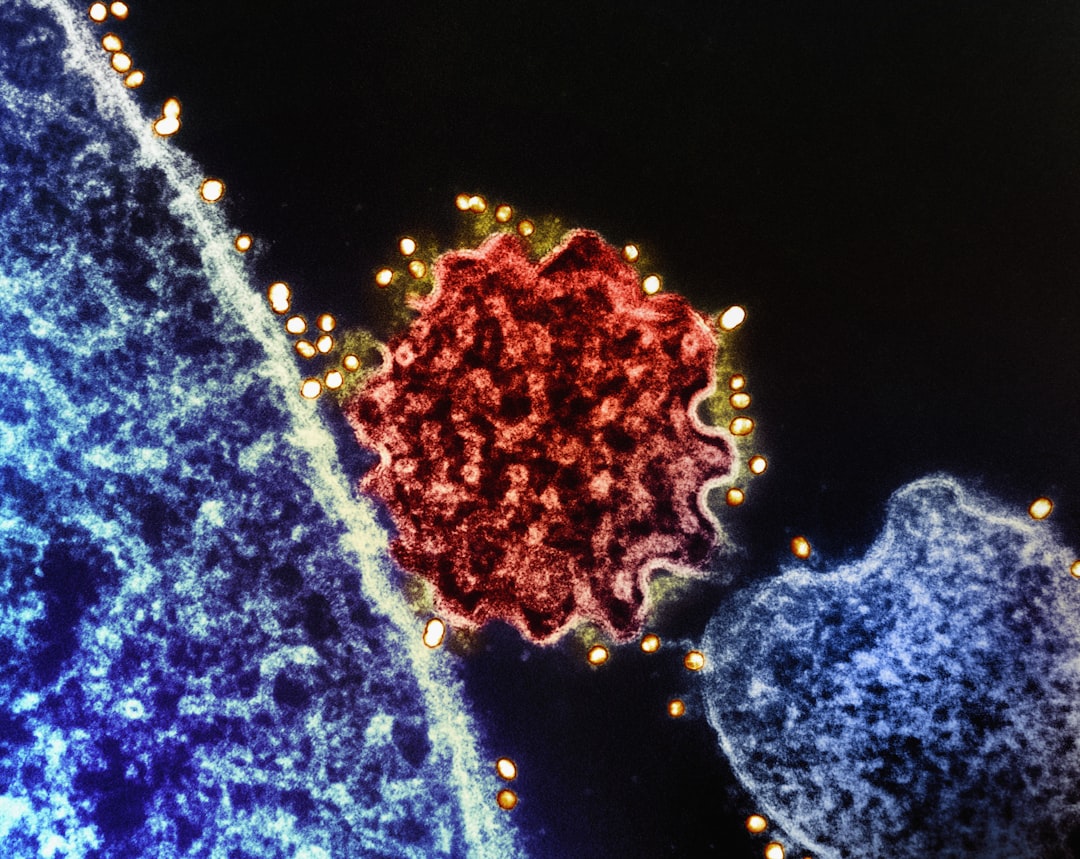
Photo by National Institute of Allergy and Infectious Diseases on Unsplash.
Medical Disclaimer: This article is AI-assisted and reviewed by the Vitalheros editorial team. It is provided for informational purposes only and is not a substitute for professional medical advice, diagnosis, or treatment. Always consult a qualified healthcare provider. Reviewed by The Vitalheros Editorial Team.