
Type 2 Diabetes Heightens Gum Disease Risk, Even With Controlled Blood Sugar
Some links in this article are affiliate links. As an Amazon Associate and partner of other programs, Vitalheros may earn a commission from qualifying purchases, at no extra cost to you. This never influences our editorial coverage.
The Unseen Connection: Diabetes and Oral Health
For decades, the link between type 2 diabetes and gum disease, specifically periodontitis, has been well-established. It’s a classic two-way street: diabetes can worsen gum health, and severe gum disease can, in turn, make blood sugar control more challenging. However, emerging insights are adding a crucial layer of understanding to this complex relationship, suggesting that the very presence of type 2 diabetes elevates the risk of periodontitis, even when blood sugar levels are meticulously managed.
This finding challenges previous assumptions that strict glycemic control might entirely mitigate the increased risk of oral health complications for individuals with diabetes. It underscores the systemic nature of type 2 diabetes and highlights the critical importance of a holistic approach to health management, extending vigilant care beyond blood sugar numbers to include often-overlooked areas like oral hygiene.
Understanding Periodontitis: More Than Just a Cavity
Periodontitis is a severe form of gum disease that, if left untreated, can lead to tooth loss and impact overall health. It begins with gingivitis, an inflammation of the gums caused by plaque—a sticky film of bacteria that constantly forms on teeth. If plaque isn’t removed through daily brushing and flossing, it can harden into tartar, which only a professional dental cleaning can remove.
When gingivitis progresses, the inner layer of the gum and bone pull away from the teeth and form pockets. These small spaces between teeth and gums collect debris and become infected. As the disease advances, toxins from the bacteria and the body’s own immune response to the infection start to break down the bone and connective tissue that hold teeth in place. Eventually, teeth can loosen, fall out, or require extraction.
Common Signs of Periodontitis:
- Swollen, tender, or bleeding gums
- Persistent bad breath
- Receding gums, making teeth appear longer
- Pus between your teeth and gums
- Loose or shifting teeth
- Changes in your bite
The Deepening Link: Diabetes’ Influence on Oral Health
The connection between type 2 diabetes and periodontitis is multifaceted, rooted in the systemic effects of elevated blood sugar and insulin resistance. Diabetes impairs the body’s ability to fight infection and heal, making individuals more susceptible to bacterial overgrowth and chronic inflammation—key drivers of gum disease.
- Increased Inflammation: Diabetes is characterized by a state of chronic low-grade inflammation throughout the body. This systemic inflammation can exacerbate the inflammatory response in the gums, accelerating tissue destruction.
- Impaired Immune Function: High blood sugar levels can weaken the immune system, making it less effective at combating the bacteria responsible for periodontitis. This means infections can take hold more easily and are harder to clear.
- Altered Blood Vessels: Diabetes can lead to microvascular changes, affecting the tiny blood vessels that supply nutrients to the gums and remove waste products. This impaired circulation can compromise gum tissue health and healing capacity.
- Advanced Glycation End Products (AGEs): High blood sugar contributes to the formation of AGEs, harmful compounds that accumulate in tissues. AGEs can contribute to inflammation and tissue damage, playing a role in the progression of both diabetes complications and periodontitis.
Beyond Glycemic Control: A Persistent Risk
The latest understanding suggests that even individuals with type 2 diabetes who maintain excellent glycemic control still face a heightened risk of periodontitis compared to those without diabetes. This challenges the long-held assumption that managing blood sugar would largely negate the increased dental risk.
This finding implies that the underlying metabolic changes associated with type 2 diabetes—beyond just acute blood glucose fluctuations—contribute independently to oral health vulnerability. It could be due to persistent systemic inflammatory markers, subtle microvascular changes that occur over time regardless of current control, or alterations in the oral microbiome that are more difficult to reverse.
"This insight doesn’t diminish the importance of glycemic control, which remains paramount for overall health. Instead, it highlights that type 2 diabetes is a complex condition with systemic ramifications that necessitate comprehensive, proactive care across all bodily systems, including oral health."
Implications for Patients and Healthcare Providers
For individuals living with type 2 diabetes, this new understanding serves as a powerful reminder: oral health is not a separate entity but an integral part of diabetes management. It means that even if your A1C is consistently within target, your gums still require extra attention.
For healthcare providers, this emphasizes the need for integrated care. Physicians managing diabetes should routinely inquire about their patients’ oral health and encourage regular dental visits. Similarly, dental professionals should be aware of a patient’s diabetes status and tailor their preventive and treatment strategies accordingly, recognizing the persistent elevated risk.
Key Recommendations:
- Regular Dental Check-ups: More frequent dental examinations and cleanings may be beneficial, potentially every three to six months, as advised by your dentist.
- Proactive Communication: Inform your dentist about your diabetes diagnosis and any changes in your blood sugar control. Ensure your medical and dental teams are aware of each other’s roles in your care.
- Vigilant Home Care: Maintain an impeccable daily oral hygiene routine, including brushing twice a day with fluoride toothpaste and flossing daily.
- Monitor for Symptoms: Be alert to any signs of gum disease, such as bleeding, swelling, or tenderness, and report them to your dentist promptly.
A Holistic View for Long-Term Health
The evolving understanding of type 2 diabetes and its wide-ranging impact reinforces a fundamental principle of longevity and health: the body functions as an interconnected system. Oral health is not merely about a pleasant smile; it is a vital component of overall well-being, particularly for those managing chronic conditions like type 2 diabetes.
While glycemic control remains a cornerstone of diabetes management, this new perspective urges us to look deeper and broader. By acknowledging the inherent heightened risk of periodontitis in individuals with type 2 diabetes, regardless of their blood sugar levels, we can empower both patients and clinicians to adopt more comprehensive, preventive strategies, ultimately fostering better health outcomes and enhancing quality of life for years to come.
Explore more in our Digital Health coverage.
🔬 Scientific Takeaway
Type 2 diabetes independently elevates the risk of periodontitis, a severe gum disease, even when blood sugar levels are well-controlled. This suggests that the systemic effects of diabetes, beyond just glycemic fluctuations, contribute to oral health vulnerability. Vigilant oral hygiene and regular dental care are crucial for individuals with type 2 diabetes, irrespective of their glycemic management.
Sources & References
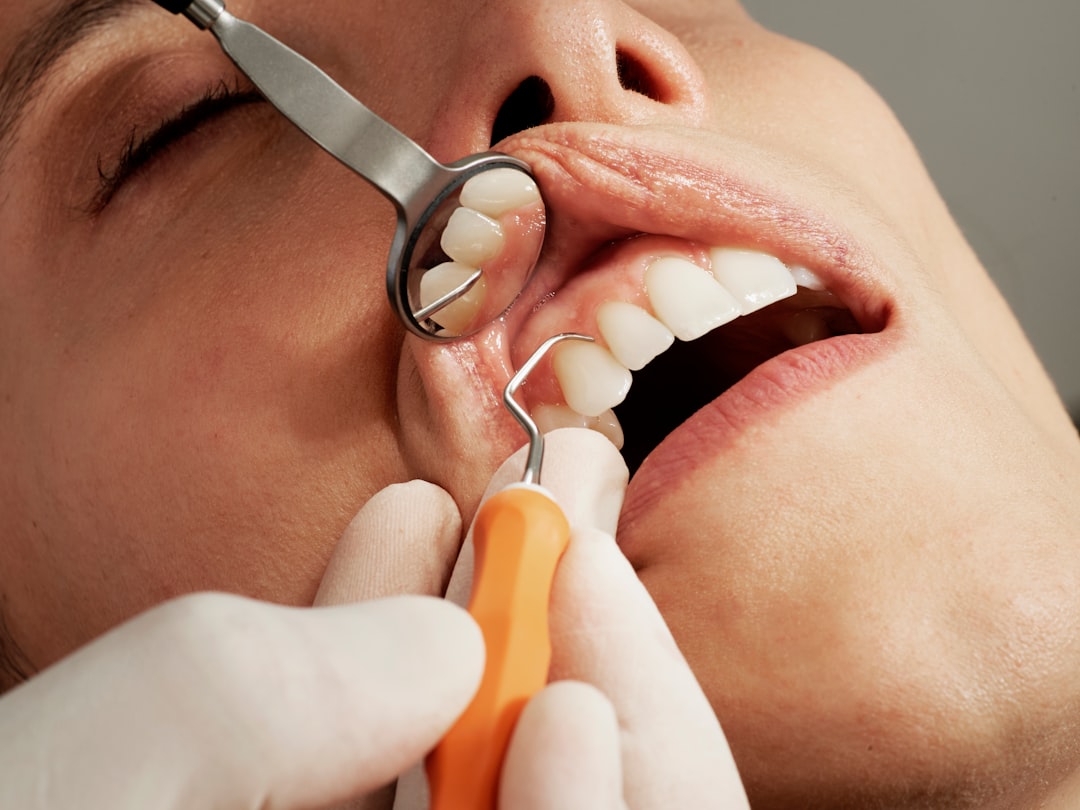
Photo by Caroline LM on Unsplash.
Medical Disclaimer: This article is AI-assisted and reviewed by the Vitalheros editorial team. It is provided for informational purposes only and is not a substitute for professional medical advice, diagnosis, or treatment. Always consult a qualified healthcare provider. Reviewed by The Vitalheros Editorial Team.