Low-Methionine Diet: A Promising Approach Against Aggressive Brain Tumors?
Some links in this article are affiliate links. As an Amazon Associate and partner of other programs, Vitalheros may earn a commission from qualifying purchases, at no extra cost to you. This never influences our editorial coverage.
Navigating the Challenge of Aggressive Brain Tumors
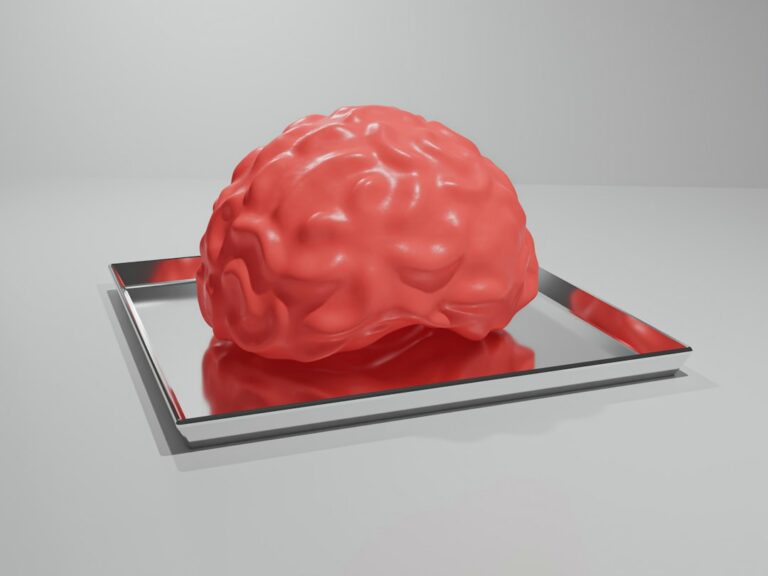
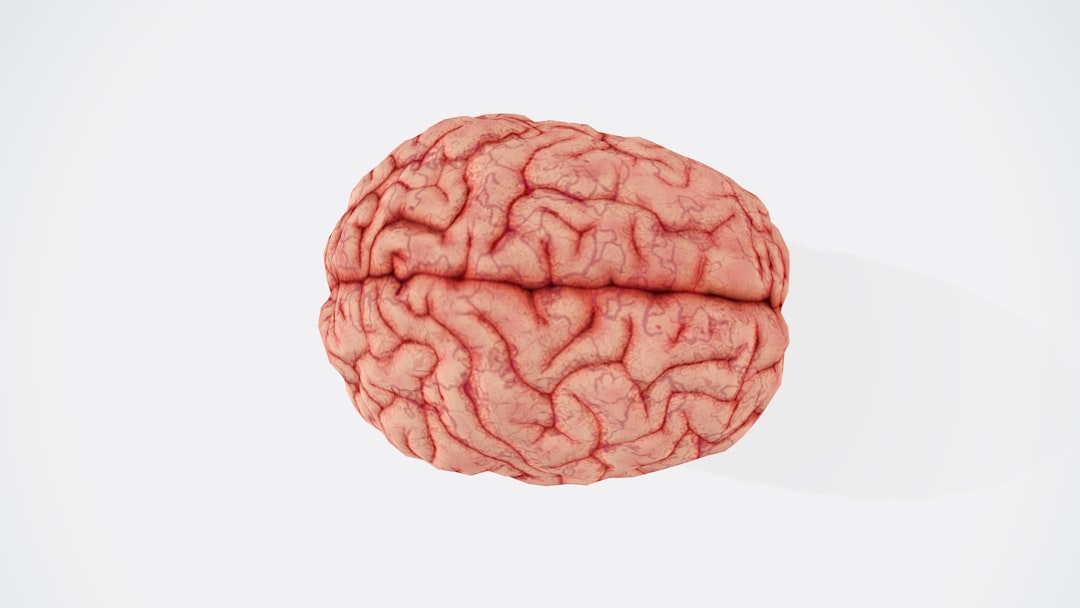
Aggressive brain tumors, such as glioblastoma, represent some of the most formidable challenges in oncology. Despite advancements in surgery, radiation, and chemotherapy, patient outcomes often remain sobering. This reality fuels an urgent quest for novel therapeutic strategies, prompting researchers to explore unconventional avenues, including metabolic interventions through diet. Among these, the concept of a low-methionine diet is gaining attention for its potential to impact cancer cell metabolism, particularly in the context of these difficult-to-treat brain cancers.
The premise is rooted in a fundamental understanding of how cancer cells differ from healthy cells, especially concerning their metabolic needs. By understanding and potentially exploiting these differences, scientists hope to develop complementary treatments that can enhance existing therapies or provide new options where few currently exist.
Understanding Methionine: A Crucial Amino Acid
Methionine is an essential amino acid, meaning the human body cannot produce it and must obtain it through diet. It plays several critical roles in normal physiological function:
- Protein Synthesis: Methionine is a building block for proteins, vital for cell structure and function.
- Methylation Reactions: It’s a precursor to S-adenosylmethionine (SAM), a universal methyl donor involved in countless biochemical processes, including DNA synthesis and repair, gene expression, and neurotransmitter production.
- Antioxidant Defense: Methionine can be converted into cysteine, which is then used to synthesize glutathione, a powerful antioxidant that protects cells from damage.
Given its widespread importance, the idea of restricting methionine might seem counterintuitive. However, the unique metabolic landscape of certain cancer cells suggests that what is essential for healthy cells might become a vulnerability for malignant ones.
The Cancer-Methionine Connection
Research over several decades has highlighted a phenomenon known as ‘methionine dependency’ in various cancer types. While not all cancer cells exhibit this to the same degree, many malignant cells appear to have an increased reliance on external sources of methionine for their proliferation and survival compared to normal cells. This dependency is thought to arise from:
- Altered Metabolism: Cancer cells often reprogram their metabolism to support rapid growth and division. This can lead to an increased demand for specific nutrients, including methionine.
- Defective Methionine Salvage Pathways: Some cancer cells may have impaired ability to recycle methionine from homocysteine, making them more dependent on a constant external supply.
- Epigenetic Regulation: Methionine’s role in methylation pathways means its availability can influence gene expression, potentially impacting cancer cell survival and resistance to therapy.
For aggressive brain tumors, which are notorious for their rapid growth and resistance to treatment, targeting such a metabolic vulnerability could represent a strategic advantage.
The Promise for Aggressive Brain Tumors
The concept of a low-methionine diet as an adjuvant therapy for aggressive brain tumors stems from preclinical observations suggesting that restricting this amino acid can slow tumor growth and enhance the efficacy of other treatments. While research is still in its early stages, the rationale is compelling:
Explore more in our Digital Health coverage.
🔬 Scientific Takeaway
Early research indicates a low-methionine diet may hold promise as an adjuvant therapy for aggressive brain tumors by exploiting the methionine dependency observed in certain cancer cells. By restricting this essential amino acid, the diet aims to disrupt tumor growth and metabolism. While promising, this approach is still in preclinical or early clinical stages and requires further rigorous study and medical supervision before widespread application.
Sources & References
Photo by BUDDHI Kumar SHRESTHA on Unsplash.
Medical Disclaimer: This article is AI-assisted and reviewed by the Vitalheros editorial team. It is provided for informational purposes only and is not a substitute for professional medical advice, diagnosis, or treatment. Always consult a qualified healthcare provider. Reviewed by The Vitalheros Editorial Team.