
Live Longer. Live Better. Backed by Science.
Evidence-based longevity, biohacking, digital health, and nutrition — translated into clear, trustworthy guidance you can actually use.
Latest Articles
- Uncovering a Novel Bacterial Strategy for Surviving Antibiotic Stress
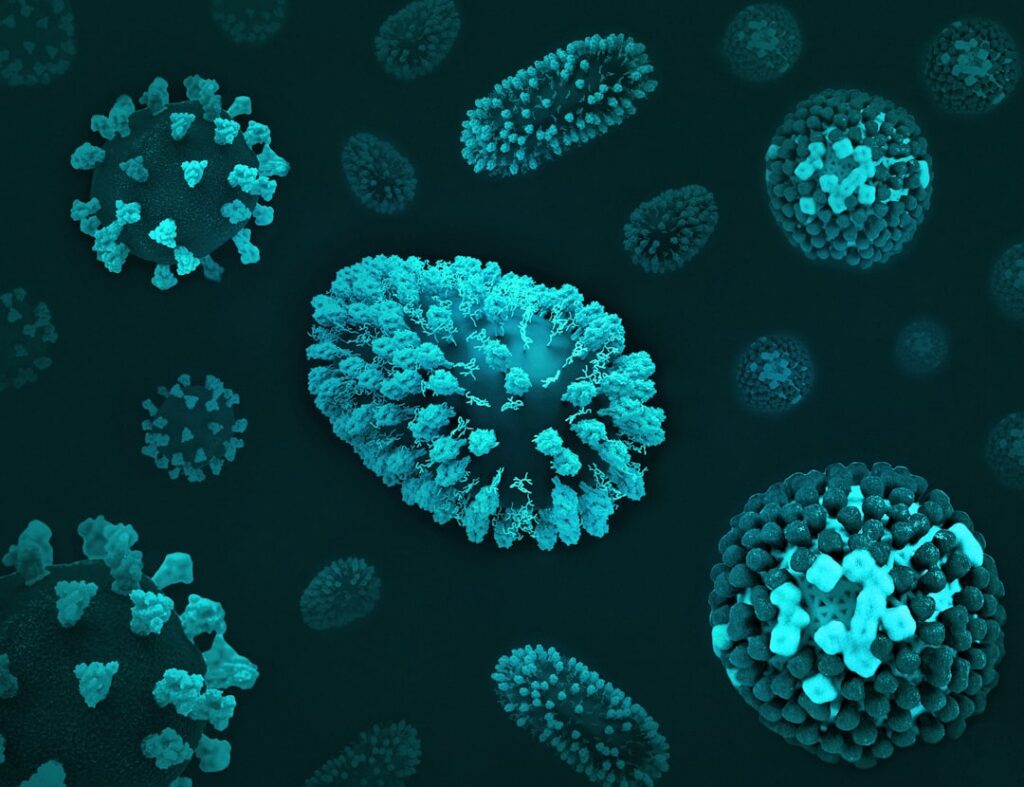 Researchers have identified an unexpected way bacteria endure antibiotic treatments, offering new insights into resistance and potential avenues for future drug development.
 - New Insights into Treatment-Resistant Lymphoma: A Biological Perspective
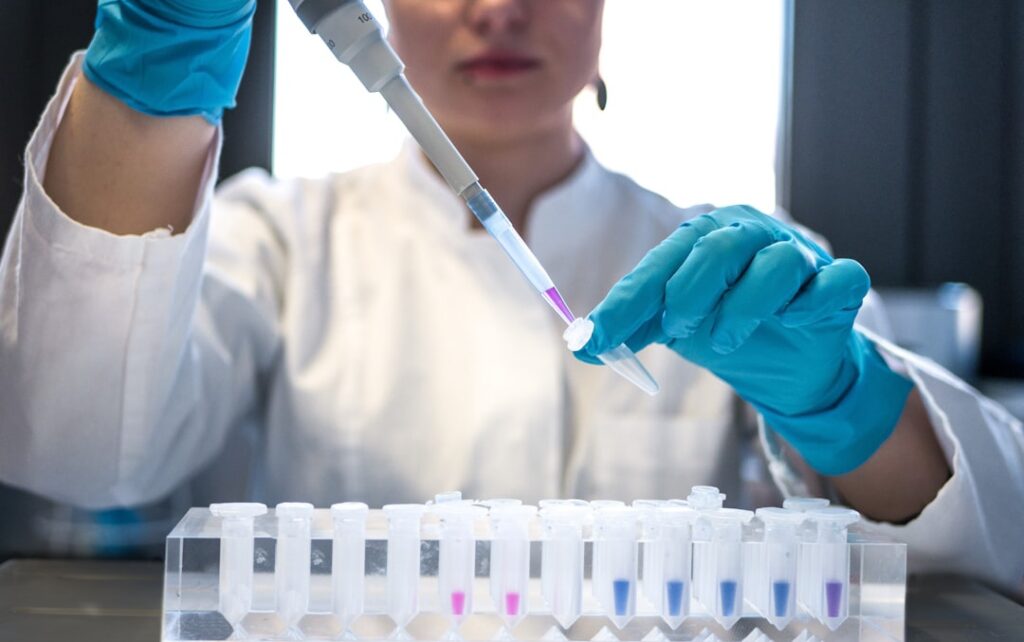 A new analysis sheds light on the biological characteristics of aggressive lymphomas that resist standard treatments, paving the way for advanced diagnostics and therapies.
 - Unraveling Muscle Aging: How NOX4 Impacts Exercise Adaptation
 New research reveals how declining levels of the NOX4 enzyme impair muscle’s ability to adapt to exercise with age, contributing to frailty and metabolic issues.
 - Early Stress Drinking: How Alcohol May Rewire the Young Brain
 New research suggests using alcohol to cope with stress in youth may permanently alter brain function, impacting adaptability, increasing future risks, and affecting cognitive health.
 - Deep Sleep’s Secret Circuit: Unlocking Muscle, Metabolism, and Brain Health
 Scientists uncover the brain circuitry linking deep sleep and growth hormone, revealing how this loop impacts muscle, fat metabolism, and cognitive function.
 - The Age-Old Mystery of Muscle Repair: A Protein’s Dual Role
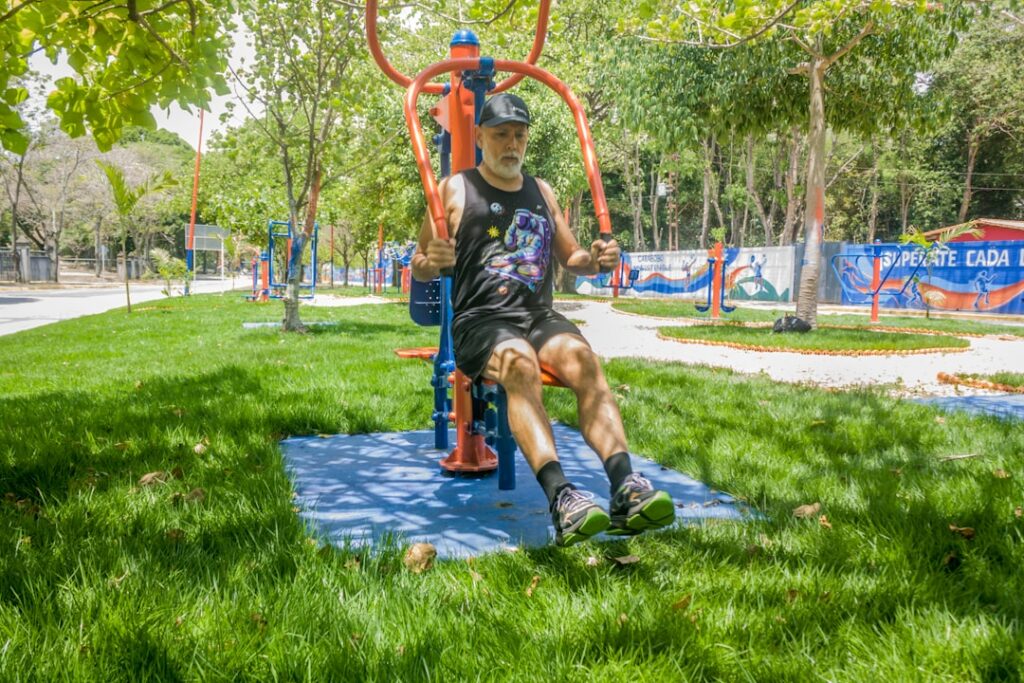 Scientists uncover a protein, NDRG1, that slows muscle repair in older stem cells but also helps them survive, revealing a paradox in aging.
 - Intermittent Fasting Extends Lifespan in Male Mice, Healthspan in Both
 A new Nature Aging study explores how time-restricted feeding impacts longevity and healthspan in mice, revealing sex-specific benefits and the role of caloric restriction.
 - Fertility Frontiers: Expanding Options for Childhood Cancer Survivors
 Childhood cancer treatments often impact fertility. Discover how pioneering research is expanding options for survivors, offering hope for future family building.
 - The Science of Aging: Why Humans and Mice Age So Differently
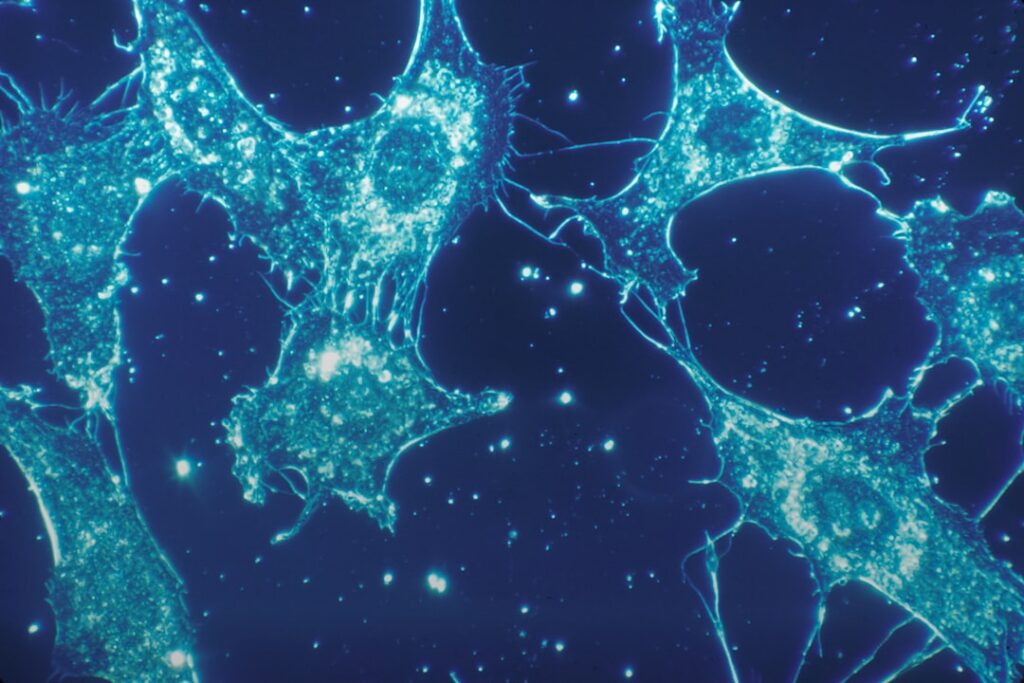 A new model of damage accumulation reveals two distinct aging pathways across species. Discover why humans and mice age differently, and what it means for longevity research.
Browse by Topic
- Digital Health (167)
- Longevity & Biohacking (13)
- Nutrition & Performance (2)
- Uncategorized (107)