The Sonic Palate: How Sound Influences Your Perception of Taste

Some links in this article are affiliate links. As an Amazon Associate and partner of other programs, Vitalheros may earn a commission from qualifying purchases, at no extra cost to you. This never influences our editorial coverage.
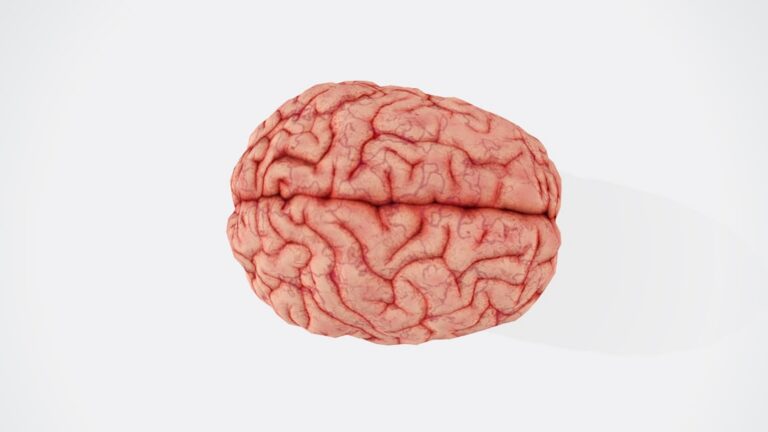
When you bite into a crisp apple, do you taste its sweetness with your tongue, or do your ears play a surprising role in perceiving its satisfying crunch? Emerging scientific insights are challenging our traditional understanding of taste, suggesting that our culinary experiences are far more multisensory than once believed. Indeed, some researchers are now exploring the fascinating idea that our brains may, in a sense, “taste with their ears.”
This intriguing concept delves into the complex interplay between our senses, revealing how auditory cues can subtly, yet powerfully, influence our perception of flavor. It’s a reminder that the brain doesn’t process sensory information in isolation; instead, it weaves together a rich tapestry of sights, smells, textures, and sounds to create our complete sensory reality.
Beyond the Tongue: The Multisensory Nature of Flavor
For centuries, taste was primarily attributed to the five basic gustatory sensations detected by taste buds on the tongue: sweet, sour, salty, bitter, and umami. However, modern neuroscience paints a much broader picture. We now understand that flavor is a holistic experience, an intricate symphony orchestrated by the brain, integrating signals from various sensory organs.
- Smell (Olfaction): The aroma of food, detected both orthonasally (through the nose) and retronasally (from the mouth to the nasal cavity), is arguably the most significant contributor to flavor perception, distinguishing countless nuances beyond the basic tastes.
- Sight (Vision): The color and presentation of food heavily influence our expectations and perceived taste. A bright red strawberry is expected to be sweet, while a green one might be perceived as sour, even if their chemical compositions are identical.
- Touch (Somatosensation): The texture, temperature, and mouthfeel of food contribute profoundly to enjoyment. Think of the creaminess of ice cream, the chewiness of steak, or the refreshing coolness of a drink.
Now, sound is increasingly recognized as a crucial, albeit often subconscious, player in this sensory orchestra.
The Auditory Element: How Sounds Shape What We Taste
The idea that sound can influence taste might seem counterintuitive, but research has begun to illuminate several ways in which our ears contribute to our culinary perceptions.
The Sonic Crunch: Sound and Texture Perception
One of the most direct links between sound and taste lies in how we perceive food texture. The sounds food makes as we chew it provide vital information about its freshness, crispness, and overall quality. Consider the satisfying crackle of a potato chip, the snap of a fresh carrot, or the sizzle of a steak on a grill.
These auditory cues aren’t just background noise; they are integral to our brain’s interpretation of texture. If a seemingly crunchy food makes a dull, muted sound, our brain might register it as stale or unappetizing, even if its chemical composition hasn’t changed.
Food scientists and chefs have long understood this implicitly. The desire for a “crunchy” snack is not just about the tactile sensation in the mouth but also about the auditory feedback that confirms its desired texture. Studies have shown that manipulating the volume or frequency of chewing sounds can alter a person’s perception of a food’s crispness or staleness.
Ambient Soundscapes and Flavor Alteration
Beyond the sounds food itself makes, the broader auditory environment can also subtly shift our taste perception. This phenomenon is particularly evident in studies exploring how background music or ambient noise affects our enjoyment of food and drink.
- Sweetness and Bitterness: Some research suggests that certain frequencies or types of music can enhance or suppress specific tastes. For example, higher-pitched sounds might be associated with sweetness, while lower-pitched sounds could amplify bitterness or umami.
- “In-Flight” Taste Changes: Anecdotal evidence and some studies point to why airplane food often tastes bland. The constant low-frequency hum of jet engines, combined with low humidity, can suppress our perception of sweetness and saltiness, making food seem less flavorful. This has led airlines and food manufacturers to experiment with specific soundscapes or adjust food recipes for the unique auditory environment of air travel.
- Restaurant Ambiance: The music played in a restaurant isn’t just for mood-setting; it can subtly influence dining preferences and perceived food quality. Upbeat, lively music might enhance the perception of a vibrant, fresh meal, while softer, classical tunes could complement a rich, complex dish.
The Brain’s Integrated Flavor Map
At a neurological level, the brain’s ability to “taste with its ears” stems from sensory integration – a process where different sensory inputs are combined and processed simultaneously. Areas of the brain, such as the insula and orbitofrontal cortex, are known to be involved in integrating information from multiple senses to create a unified perception of flavor.
When we eat, our brain doesn’t just receive separate signals for taste, smell, and sound. Instead, it constructs a comprehensive flavor experience by cross-referencing and blending these inputs. This means that a sound associated with freshness or deliciousness can prime the brain to perceive a food as more enjoyable, even before it fully registers on the taste buds.
Practical Implications and Future Frontiers
Understanding the sonic palate has significant implications for various fields:
- Culinary Arts: Chefs can intentionally incorporate auditory elements into their dishes, from the sizzling presentation to the choice of dining music, to enhance the overall gastronomic experience.
- Food Industry: Manufacturers can optimize packaging to create satisfying sounds, or develop products that deliver a specific auditory experience (e.g., a louder crunch for perceived freshness).
- Personal Enjoyment: Being aware of how sound influences taste can help us make more mindful choices about our eating environments, potentially enhancing our appreciation for meals.
While the field is still evolving, the growing body of evidence underscores that taste is a remarkably intricate and integrated sense. It challenges us to think beyond the tongue and appreciate the full symphony of sensory information that shapes every bite we take. The next time you enjoy a meal, pay attention not just to what you see, smell, and feel, but also to what you hear – your ears might be tasting more than you realize.
Explore more in our Digital Health coverage.
🔬 Scientific Takeaway
Emerging research suggests that taste perception is a complex, multisensory experience, extending beyond the tongue to include auditory input. The brain actively integrates sounds, from the crunch of food to ambient music, with gustatory signals to construct our overall flavor experience. This fascinating interplay indicates that what we hear can profoundly shape how we perceive and enjoy food.
Sources & References
Photo by Shawn Day on Unsplash.
Medical Disclaimer: This article is AI-assisted and reviewed by the Vitalheros editorial team. It is provided for informational purposes only and is not a substitute for professional medical advice, diagnosis, or treatment. Always consult a qualified healthcare provider. Reviewed by The Vitalheros Editorial Team.