Dual Strategy: Early Screening & Therapeutic Blood Removal for Health
Some links in this article are affiliate links. As an Amazon Associate and partner of other programs, Vitalheros may earn a commission from qualifying purchases, at no extra cost to you. This never influences our editorial coverage.
In the landscape of modern medicine, the most impactful strategies are often those that empower individuals and families with knowledge and proactive tools. A compelling example of this involves a dual approach: leveraging early health screening alongside therapeutic blood removal. This powerful combination is emerging as a beacon of hope for managing certain inherited conditions, offering a pathway to significantly improve long-term health outcomes and enhance the quality of life for those affected.
For many conditions, particularly those with a genetic component or a tendency to progress silently, early detection is not just beneficial—it’s transformative. When coupled with a targeted therapeutic intervention like controlled blood removal, the potential to prevent severe complications becomes remarkably high. This strategy underscores a shift towards preventative and personalized medicine, moving beyond mere symptom management to fundamentally altering disease trajectories.
The Power of Proactive Health Management
The concept of proactive health management centers on identifying risks and implementing interventions before significant damage occurs. This is especially critical for conditions that might not present obvious symptoms in their initial stages, allowing them to advance undetected. By the time symptoms manifest, irreversible harm may have already taken place, making treatment more challenging and less effective.
Embracing a proactive stance means understanding genetic predispositions, monitoring key biomarkers, and engaging with healthcare providers to establish a personalized health plan. For families, this approach can mean breaking cycles of illness, ensuring that future generations are not burdened by preventable complications that affected their predecessors.
Component One: The Crucial Role of Early Screening
Early screening serves as the cornerstone of this dual strategy. It acts as an invaluable diagnostic tool, capable of identifying individuals at risk or those in the very nascent stages of a condition.
Unveiling Hidden Risks
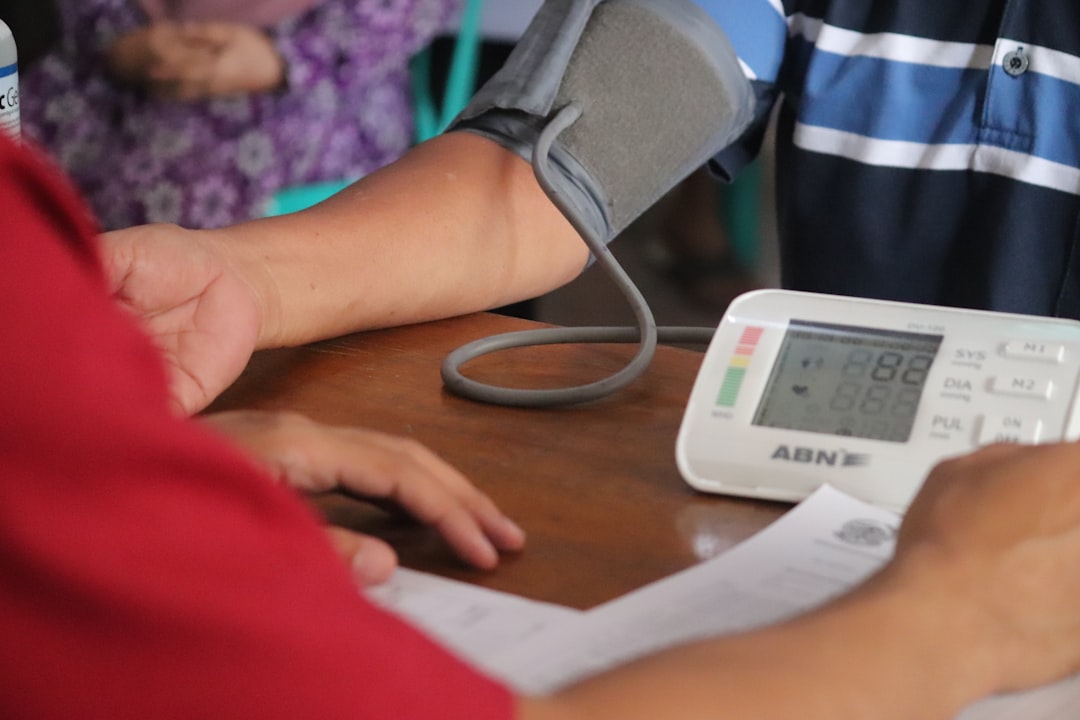
Many inherited conditions follow predictable patterns within families. Genetic testing can reveal specific mutations or predispositions, offering clarity on an individual’s risk profile. Beyond genetics, routine blood tests can detect subtle changes in biomarkers that signal the early onset of certain conditions, even before any physical symptoms appear. This early insight is critical because it provides a window of opportunity for intervention.
“Knowledge is power, especially when it comes to inherited health conditions. Early screening provides that power, allowing families to take control of their health narrative before a condition takes hold.”
Beyond Symptoms
For conditions characterized by a slow, insidious progression, relying on symptoms alone is a dangerous game. Consider conditions involving metabolic imbalances, where excessive accumulation of a substance in the body can silently damage organs over years or even decades. Early screening bypasses this waiting game, allowing for diagnosis and intervention at a stage where the body can still recover or be effectively managed, preventing severe, often debilitating complications like organ failure, diabetes, or joint damage.
Component Two: Therapeutic Phlebotomy – A Lifesaving Intervention
Once a condition is identified through early screening, targeted interventions become possible. For certain conditions, particularly those involving iron overload, therapeutic phlebotomy (controlled blood removal) is a primary and highly effective treatment.
More Than Just Giving Blood
While often executed in a manner similar to voluntary blood donation, therapeutic phlebotomy is a medical procedure prescribed to treat specific health conditions. It involves the controlled removal of a precise volume of blood to reduce the body’s stores of a problematic substance, such as excess iron. The frequency and volume of blood removal are carefully tailored to the individual’s condition and monitored through regular blood tests.
Targeted Intervention
For conditions like hereditary hemochromatosis, where the body absorbs too much iron, therapeutic phlebotomy is the most effective way to lower iron levels and prevent it from accumulating to toxic levels in organs. This intervention helps protect vital organs like the liver, heart, and pancreas from damage, thereby averting serious health issues and improving overall longevity and quality of life. In some cases, the blood collected through therapeutic phlebotomy can, if it meets strict safety criteria, be used for voluntary blood donation, offering a dual benefit to both the patient and the broader community.
A Synergistic Approach for Family Well-being
The true power of this dual strategy lies in its synergy. Early screening identifies individuals who need intervention, and therapeutic blood removal provides a direct, effective means to manage the condition. For families, this means:
- Preventing Disease Progression: Catching a condition early and intervening promptly can prevent its advancement to severe, symptomatic stages.
- Improved Quality of Life: Managing a condition effectively reduces symptoms, discomfort, and the need for more drastic medical interventions later in life.
- Family-Wide Awareness: An individual’s diagnosis through screening often prompts other family members to get screened, creating a ripple effect of health awareness and early detection across generations.
- Empowerment Through Knowledge: Understanding a genetic predisposition allows individuals to make informed lifestyle choices and engage proactively with their healthcare team.
Broader Implications for Public Health
The success of this double strategy extends beyond individual families, holding significant implications for public health. Promoting awareness about conditions that benefit from early screening and therapeutic phlebotomy can lead to better diagnostic rates, reduced healthcare burdens associated with advanced disease, and a healthier population overall. Ensuring access to affordable screening and treatment options is paramount to realizing the full potential of this preventative approach.
Empowering Health Through Action
The combined strategy of early screening and therapeutic blood removal represents a powerful paradigm in health management. It moves us closer to a future where inherited conditions are not destiny but rather manageable aspects of health. By embracing these proactive measures, individuals and families can navigate their health journeys with greater confidence, knowledge, and the tangible hope for a longer, healthier life.
Explore more in our Digital Health coverage.
🔬 Scientific Takeaway
A dual strategy combining early health screening with therapeutic blood removal offers significant benefits for managing certain inherited conditions. Early detection through screening allows for timely intervention, such as therapeutic phlebotomy to remove excess substances, preventing severe organ damage and improving long-term health outcomes for affected individuals and their families.
Sources & References
Photo by Mufid Majnun on Unsplash.
Medical Disclaimer: This article is AI-assisted and reviewed by the Vitalheros editorial team. It is provided for informational purposes only and is not a substitute for professional medical advice, diagnosis, or treatment. Always consult a qualified healthcare provider. Reviewed by The Vitalheros Editorial Team.