Wholegrains and Breast Cancer: A Daily Dietary Link
Some links in this article are affiliate links. As an Amazon Associate and partner of other programs, Vitalheros may earn a commission from qualifying purchases, at no extra cost to you. This never influences our editorial coverage.
In the ongoing quest to understand the intricate relationship between diet and disease, recent scientific inquiry has shed light on a compelling connection: the regular consumption of wholegrains and its potential influence on breast cancer risk. For many years, the health benefits of wholegrains have been well-documented, spanning cardiovascular health, digestive wellness, and blood sugar regulation. Now, evidence suggests these dietary staples may also play a protective role against one of the most prevalent cancers affecting women globally.
While no single food offers a definitive cure or prevention strategy, understanding the cumulative impact of dietary choices can empower individuals to make informed decisions that support long-term health. This article delves into the science behind wholegrains and breast cancer risk, offering insights into how these foundational foods might contribute to a healthier future.
The Scientific Link: Wholegrains and Breast Cancer Risk
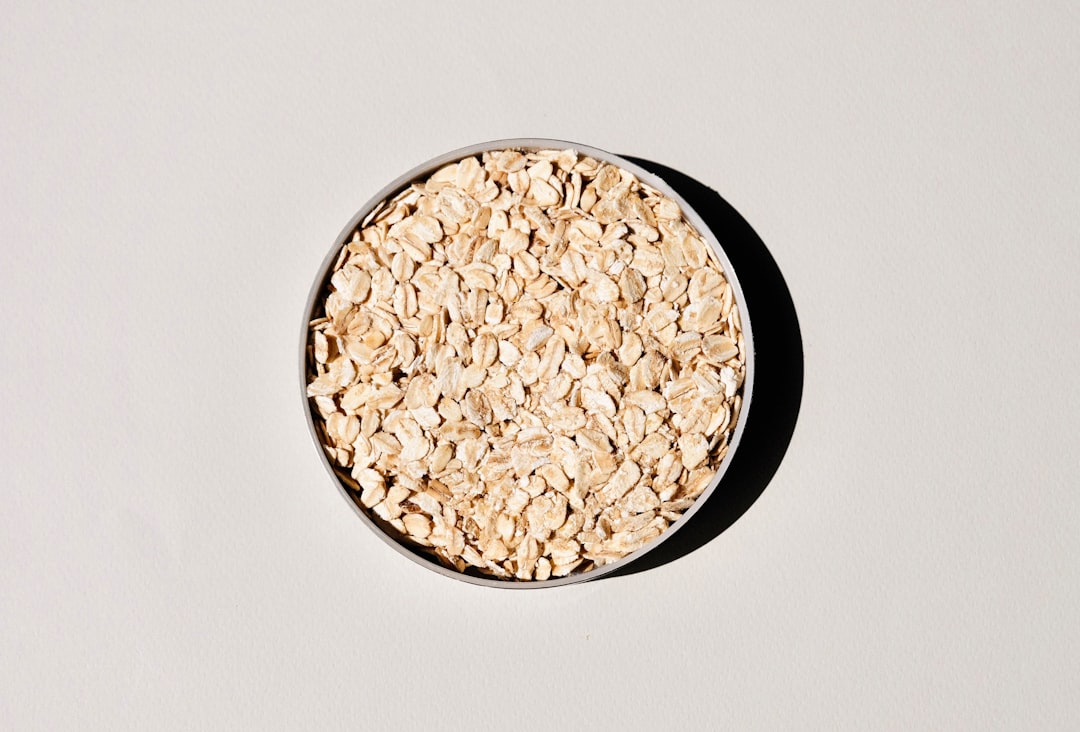
The concept that diet can modulate cancer risk is not new, but specific dietary components are continuously being investigated. Wholegrains, which include foods like oats, brown rice, whole wheat, barley, and quinoa, retain all three parts of the grain kernel – the bran, germ, and endosperm. This distinguishes them from refined grains, which have had the bran and germ removed, along with many of their beneficial nutrients.
Research suggests that regular intake of wholegrains, specifically around 90 grams daily, may be associated with a reduced risk of breast cancer. This finding emerges from studies that analyze dietary patterns and health outcomes across large populations, seeking to identify correlations that could inform public health recommendations. While these are observational studies and cannot definitively prove causation, they provide crucial insights into potential protective factors.
Understanding the Mechanisms of Protection
The protective effects attributed to wholegrains are likely multifaceted, stemming from their rich nutritional profile. Several key components are thought to contribute:
- Dietary Fiber: Wholegrains are an excellent source of dietary fiber, both soluble and insoluble. Fiber plays a critical role in digestive health, promoting regular bowel movements. This can help the body excrete excess estrogens, which, in high levels, are linked to an increased risk of certain types of breast cancer. By binding to estrogen in the digestive tract, fiber may reduce its reabsorption and circulation in the body.
- Antioxidants: Wholegrains contain a wide array of antioxidants, including phenolic compounds, phytic acid, and vitamin E. These compounds help to neutralize free radicals, unstable molecules that can damage cells and DNA, potentially leading to cancer development. Reducing oxidative stress is a fundamental strategy in cancer prevention.
- Phytoestrogens (Lignans): Wholegrains are rich in lignans, a type of phytoestrogen. These plant compounds have a chemical structure similar to human estrogen but are much weaker. They can bind to estrogen receptors, potentially blocking stronger, naturally produced estrogens from exerting their full effect. This competitive binding might help mitigate estrogen-driven cancer growth.
- Anti-inflammatory Properties: Chronic inflammation is recognized as a driver of many diseases, including cancer. The various compounds in wholegrains, including fiber and antioxidants, contribute to reducing systemic inflammation, thereby potentially lowering cancer risk.
- Gut Microbiome Modulation: The fiber in wholegrains serves as a prebiotic, feeding beneficial gut bacteria. A healthy gut microbiome produces short-chain fatty acids (SCFAs) like butyrate, which have anti-inflammatory and anti-cancer properties. A balanced gut environment is increasingly understood to play a role in overall health and disease prevention.
What Does 90 Grams of Wholegrains Look Like?
The mention of 90 grams daily might sound abstract, but it translates to practical, achievable dietary choices. This amount is roughly equivalent to:
- Three slices of whole-wheat bread.
- One bowl of oatmeal (approximately 40-50g dry weight) and a serving of brown rice (approximately 45-50g cooked).
- A small bowl of wholegrain cereal, a serving of quinoa, and a wholegrain wrap.
It’s not about consuming a single large portion, but rather incorporating wholegrains consistently throughout your day. Swapping refined grains for their wholegrain counterparts is a straightforward way to increase intake.
Beyond Breast Cancer: The Broader Health Benefits of Wholegrains
While the potential link to breast cancer risk is a significant area of research, the benefits of wholegrains extend far beyond. Regular consumption is strongly associated with:
- Improved Cardiovascular Health: Wholegrains can help lower LDL (‘bad’) cholesterol, reduce blood pressure, and improve blood vessel function, thereby decreasing the risk of heart disease and stroke.
- Better Blood Sugar Control: The fiber in wholegrains slows down the absorption of sugar into the bloodstream, helping to prevent sharp spikes in blood glucose levels. This is particularly beneficial for individuals managing or at risk of type 2 diabetes.
- Weight Management: Wholegrains are generally more filling than refined grains due to their fiber content, which can contribute to satiety and help in managing body weight.
- Digestive Health: As mentioned, fiber promotes regularity and supports a healthy gut microbiome, preventing constipation and potentially reducing the risk of diverticular disease.
Integrating Wholegrains into Your Daily Diet
Making the switch to wholegrains doesn’t have to be daunting. Here are some simple strategies:
- Start Your Day Wholegrain: Opt for oatmeal, wholegrain cereals, or whole-wheat toast instead of refined options.
- Swap Your Grains: Replace white rice with brown rice, wild rice, or quinoa. Choose whole-wheat pasta over white pasta.
- Choose Wholegrain Breads: Look for breads, wraps, and tortillas explicitly labeled as ‘100% whole wheat’ or ‘100% wholegrain.’
- Snack Smart: Incorporate wholegrain crackers, popcorn (plain), or wholegrain energy bars.
- Experiment with Ancient Grains: Try less common wholegrains like farro, bulgur, millet, or sorghum in salads, soups, or as side dishes.
Important Considerations and Nuances
It’s crucial to remember that diet is one piece of a complex puzzle when it comes to cancer prevention. While wholegrains appear to be a valuable component of a health-protective diet, they are not a standalone solution. A holistic approach to reducing breast cancer risk includes:
- Maintaining a healthy body weight.
- Engaging in regular physical activity.
- Limiting alcohol consumption.
- Avoiding smoking.
- Regular medical screenings and check-ups.
Always consult with a healthcare professional or registered dietitian for personalized dietary advice, especially if you have specific health concerns or conditions.
The evidence supporting wholegrains as a beneficial part of a cancer-preventive diet is growing. By making conscious, consistent choices to incorporate these nutrient-dense foods into our daily lives, we can harness their potential protective power and contribute to our overall well-being.
Explore more in our Digital Health coverage.
🔬 Scientific Takeaway
Emerging research indicates a potential link between the daily consumption of wholegrains and a reduced risk of breast cancer. This protective effect is likely attributed to wholegrains' rich fiber content, antioxidants, phytoestrogens, and their ability to foster a healthy gut microbiome. Incorporating approximately 90 grams of wholegrains into one's daily diet may be a valuable strategy to support long-term health, alongside other healthy lifestyle choices.
Sources & References
Photo by Jocelyn Morales on Unsplash.
Medical Disclaimer: This article is AI-assisted and reviewed by the Vitalheros editorial team. It is provided for informational purposes only and is not a substitute for professional medical advice, diagnosis, or treatment. Always consult a qualified healthcare provider. Reviewed by The Vitalheros Editorial Team.