Exercise and Brain Aging: Unlocking Mitochondrial Resilience
Some links in this article are affiliate links. As an Amazon Associate and partner of other programs, Vitalheros may earn a commission from qualifying purchases, at no extra cost to you. This never influences our editorial coverage.
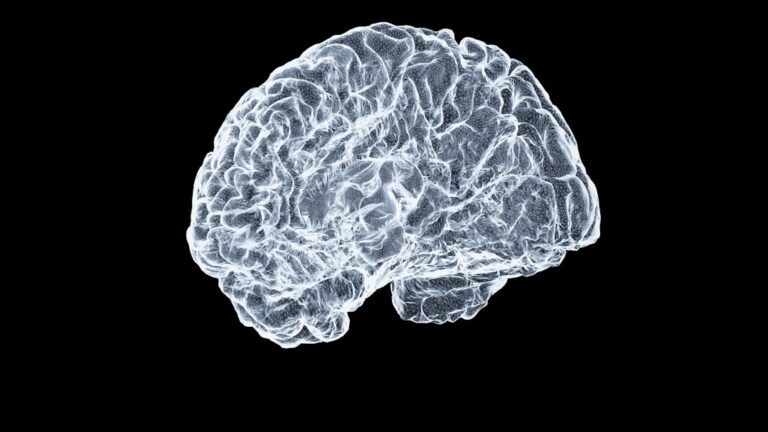
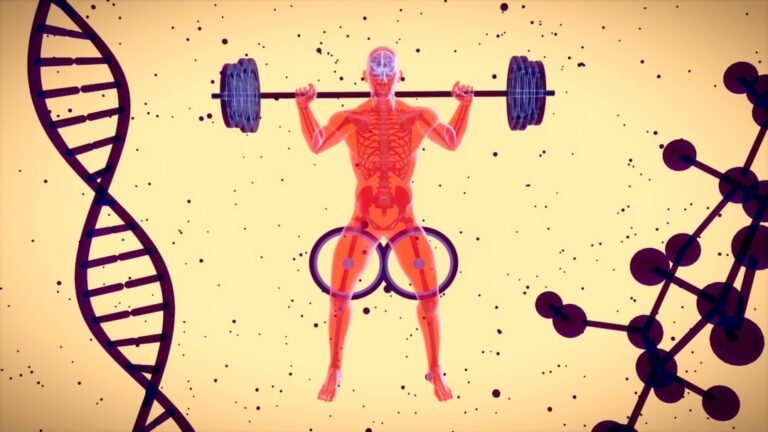
The quest for a longer, healthier life often brings us back to fundamental truths, and few are as robust as the benefits of physical activity. While exercise’s impact on muscle strength and cardiovascular health is widely understood, its profound role in preserving cognitive function, particularly in the face of aging, is increasingly a focus of scientific inquiry. Emerging research highlights a critical mechanism: exercise appears to rejuvenate our brains by acting directly on the cellular powerhouses known as mitochondria.
The Brain’s Energy Dynamos: Mitochondria
Within every cell of our body, including the billions of neurons in our brain, reside hundreds of tiny organelles called mitochondria. Often dubbed the ‘power plants’ of the cell, their primary function is to generate adenosine triphosphate (ATP), the chemical energy currency that fuels virtually all cellular processes. From thought and memory formation to basic cellular maintenance, the brain’s enormous energy demands make healthy mitochondrial function absolutely critical for cognitive vitality.
Interestingly, these intricate structures are thought to be the evolutionary descendants of ancient bacteria, retaining some bacterial characteristics. Despite extensive knowledge of their biochemistry and structure, the precise reasons for their age-related decline remain a complex area of study. However, it’s clear that as we age, mitochondrial function can falter, contributing to a cascade of cellular issues that manifest as brain aging.
Mitochondrial Quality Control: A Delicate Balance
Brain aging is a multifaceted process characterized by the gradual decline of neurons and their connections (synapses). Central to this decline is the disruption of what scientists call ‘mitochondrial quality control.’ This sophisticated cellular system ensures that mitochondria are healthy, functional, and efficiently managed. It encompasses several interconnected processes:
- Mitochondrial Biogenesis: The creation of new mitochondria.
- Dynamic Equilibrium: The continuous fusion and fission of mitochondria, allowing them to adapt to energy demands and isolate damaged parts.
- Autophagic Clearance (Mitophagy): The selective removal and recycling of damaged or dysfunctional mitochondria.
- Energy Metabolism: The overall efficiency of energy production.
With age, these processes can become dysregulated. Mitochondria may become fragmented, their energy production falters, and damaged units accumulate, leading to an ‘energy crisis’ within brain cells. This cellular stress is a significant driver of cognitive deterioration.
Exercise: A Powerful Intervention for Brain Mitochondria
While the challenges of brain aging are substantial, exercise stands out as a highly promising non-pharmacological strategy for maintaining cognitive health. Its benefits are increasingly understood to be mediated, at least in part, through its remarkable ability to modulate mitochondrial quality control.
Promoting Mitochondrial Biogenesis and Metabolic Adaptation
Regular physical activity has been shown to activate key signaling pathways within cells that are crucial for mitochondrial health. Specifically, pathways involving AMPK, SIRT1, and PGC-1α are stimulated by exercise. These molecular pathways act as master regulators, signaling the cell to produce more mitochondria (biogenesis) and enhance their metabolic efficiency. This means not only more power plants but also more efficient ones, better equipped to meet the brain’s energy needs.
Regulating Mitochondrial Dynamics
Mitochondria are not static; they are constantly fusing and dividing in a dynamic dance that is vital for their health. Fusion allows them to share resources and compensate for damaged regions, while fission helps isolate and remove unhealthy portions. Exercise appears to play a role in regulating this delicate balance, influencing pathways such as cAMP/PKA/Drp1, which are involved in mitochondrial fission. By maintaining optimal mitochondrial dynamics, exercise helps ensure that these organelles can adapt and respond effectively to cellular stress.
Enhancing Autophagic Clearance (Mitophagy)
Just as important as creating new, healthy mitochondria is the ability to clear out old, damaged ones. This process, known as mitophagy, is a specialized form of autophagy (cellular self-eating). Exercise has been observed to regulate mitophagy, potentially through pathways like AMPK/mTOR. By facilitating the removal of dysfunctional mitochondria, exercise helps prevent their accumulation, which can otherwise lead to oxidative stress and cellular damage, further contributing to brain aging.
Beyond Direct Pathways: Gene Expression and Systemic Factors
The influence of exercise extends even further. Emerging evidence suggests that physical activity can affect brain mitochondrial function through activity-dependent regulation of mitochondrial gene expression. This means that exercise can literally switch on genes that promote mitochondrial health. Furthermore, exercise induces systemic signaling factors – molecules released into the bloodstream that can travel to the brain and exert beneficial effects, indirectly supporting mitochondrial function.
“Exercise offers a multi-pronged approach to bolstering brain health at a foundational cellular level, specifically by enhancing the resilience and efficiency of our mitochondrial networks.”
A Holistic View of Brain Longevity
While mitochondrial quality control is a crucial piece of the puzzle, brain aging is undoubtedly influenced by a multitude of factors, including genetics, lifestyle, diet, and environmental exposures. However, the consistent evidence pointing to exercise’s role in optimizing mitochondrial function provides a compelling rationale for its inclusion in any longevity strategy. It underscores that physical activity is not merely about maintaining physical fitness, but about preserving the very engines of our cognitive capacity.
Understanding these intricate cellular mechanisms reinforces the profound impact of lifestyle choices on our long-term health. For those seeking to preserve brain health and cognitive vitality as they age, the message from the scientific community is increasingly clear: move your body, support your brain.
Explore more in our Longevity & Biohacking coverage.
🔬 Scientific Takeaway
Exercise improves brain health and potentially slows cognitive decline by enhancing mitochondrial quality control. It activates signaling pathways that promote the creation of new mitochondria, regulate their dynamic balance of fusion and fission, and facilitate the removal of damaged mitochondria, thereby optimizing cellular energy production and mitigating age-related cellular stress.
Sources & References
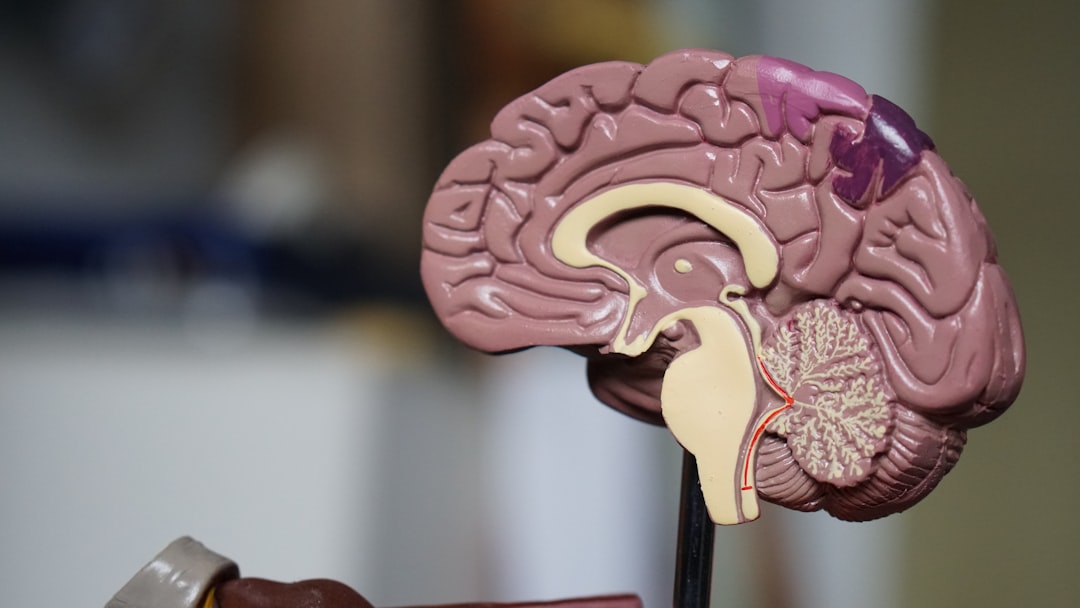
Photo by Robina Weermeijer on Unsplash.
Medical Disclaimer: This article is AI-assisted and reviewed by the Vitalheros editorial team. It is provided for informational purposes only and is not a substitute for professional medical advice, diagnosis, or treatment. Always consult a qualified healthcare provider. Reviewed by The Vitalheros Editorial Team.