Hearing Aids May Reduce Dementia Risk in Adults with Epilepsy
Some links in this article are affiliate links. As an Amazon Associate and partner of other programs, Vitalheros may earn a commission from qualifying purchases, at no extra cost to you. This never influences our editorial coverage.
For individuals navigating the complexities of epilepsy, a neurological condition characterized by recurrent seizures, the potential for cognitive challenges is a well-documented concern. Now, emerging research adds another layer to this understanding, suggesting that for those with co-occurring hearing loss, the simple act of wearing hearing aids might play a crucial role in mitigating the risk of dementia.
This insight underscores the intricate connections between sensory health, neurological conditions, and long-term cognitive well-being, offering a new perspective on integrated care for vulnerable populations.
The Intersecting Challenges: Epilepsy, Hearing Loss, and Cognition
Both epilepsy and hearing loss are independently recognized as factors that can influence cognitive health. When these conditions coexist, the potential for compounding effects on the brain becomes a significant area of interest for researchers and clinicians alike.
Epilepsy’s Cognitive Footprint
Epilepsy is more than just seizures; it’s a condition that can have widespread impacts on brain function. The recurrent electrical disturbances characteristic of seizures can affect various cognitive domains, including memory, attention, and processing speed. Over time, these effects, combined with potential side effects from anti-seizure medications, can contribute to a heightened vulnerability to cognitive decline.
Individuals with epilepsy often report challenges with memory and executive functions, which are critical for daily living and are also early indicators of potential neurodegenerative processes. Understanding and addressing these cognitive aspects is a key part of holistic epilepsy management.
Hearing Loss: A Modifiable Risk Factor for Dementia
Beyond the challenges of communication, untreated hearing loss has been increasingly recognized as a significant, modifiable risk factor for dementia. Research has shown that individuals with hearing impairment may experience accelerated brain atrophy, increased cognitive load, and reduced social engagement – all pathways that are thought to contribute to cognitive decline.
The brain expends considerable energy trying to decipher distorted or faint sounds when hearing is impaired. This constant ‘overtime’ might divert resources from other cognitive functions, potentially accelerating wear and tear on brain networks essential for memory and thinking.
Furthermore, untreated hearing loss can lead to social isolation, a known risk factor for cognitive decline, as individuals withdraw from conversations and activities that become too difficult to participate in. Addressing hearing loss, therefore, is not merely about improving communication but also about preserving overall brain health.
Emerging Insights: Hearing Aids and Dementia Risk in a Vulnerable Population
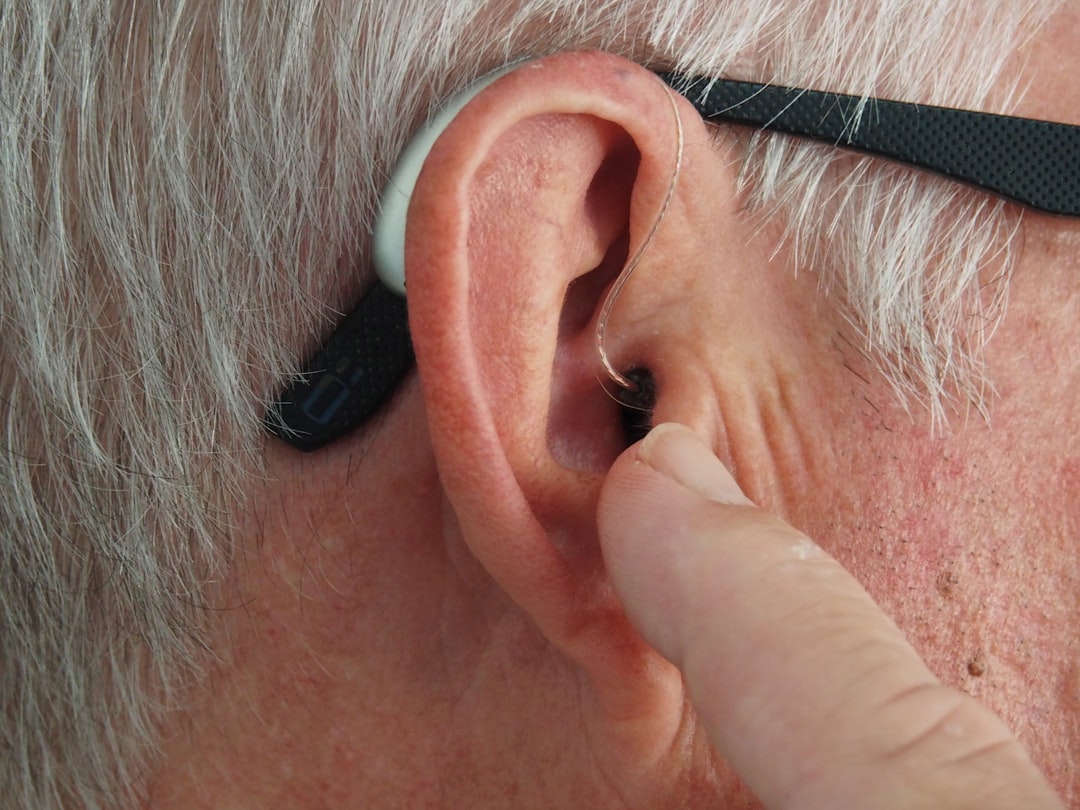
A recent study has shed light on the potential protective role of hearing aids specifically within the population of adults living with both epilepsy and hearing loss. The research explored whether the use of hearing aids could influence the trajectory of dementia risk in this particular group.
A Closer Look at the Research
While specific details regarding study parameters, such as participant numbers or exact risk reduction percentages, were not detailed, the core finding suggests a compelling association: individuals with epilepsy and hearing loss who used hearing aids experienced a lower risk of developing dementia compared to those with similar conditions who did not use hearing aids. This observation points towards hearing aids as a potential intervention that could offer more than just improved auditory function, extending their benefits to broader cognitive health outcomes.
The study highlights a critical area where integrated care – addressing both neurological and sensory health – could yield significant long-term benefits for patients.
Mechanisms of Protection: How Hearing Aids Might Help
The potential for hearing aids to reduce dementia risk in this specific population likely stems from several interconnected mechanisms, many of which are similar to how hearing aids are thought to benefit cognitive health in the general population with hearing loss.
Reducing Cognitive Load
By amplifying and clarifying sounds, hearing aids reduce the effort the brain must exert to process auditory information. This reduction in cognitive load frees up mental resources that can then be dedicated to other vital cognitive functions, such as memory, attention, and problem-solving. For individuals with epilepsy, whose brains may already be under additional stress, this relief could be particularly beneficial.
Fostering Social Connection
Hearing loss often leads to social withdrawal and isolation, as communication becomes challenging and frustrating. Hearing aids can restore the ability to engage in conversations, participate in social activities, and maintain connections with family and friends. Social engagement is a powerful protective factor against cognitive decline, stimulating brain activity and providing emotional support.
Supporting Brain Health
Long-term untreated hearing loss has been linked to structural changes in the brain, including accelerated atrophy in certain regions. By providing consistent auditory input, hearing aids may help to maintain the integrity and function of auditory pathways and associated brain regions. For individuals with epilepsy, where brain health is already a primary concern, any intervention that supports neural integrity could be profoundly important.
Broader Implications and Future Directions
These findings carry significant implications for the comprehensive care of adults with epilepsy and hearing loss. They emphasize the importance of routine hearing screenings for individuals with epilepsy and prompt intervention for any identified hearing impairment.
While the research suggests a compelling association, it’s crucial to acknowledge that this is an emerging area. Further studies are needed to confirm these findings, explore the precise mechanisms at play, and determine optimal intervention strategies. Longitudinal studies with larger cohorts could provide more definitive evidence regarding causality and the extent of the protective effect.
Ultimately, this research serves as a powerful reminder that cognitive health is multifaceted, influenced by a spectrum of physical and sensory factors. Addressing modifiable risk factors, such as hearing loss, can be a proactive step in promoting long-term brain health, especially in individuals with pre-existing neurological conditions.
Conclusion: Prioritizing Hearing Health for Cognitive Longevity
The potential for hearing aids to lower dementia risk in adults with epilepsy and hearing loss represents an encouraging development in our understanding of brain health. It reinforces the concept that managing sensory impairments is not a standalone issue but an integral component of a broader strategy for cognitive longevity. For healthcare providers, it highlights the value of integrated care models that consider all aspects of a patient’s health. For individuals, it serves as a powerful incentive to address hearing loss promptly, recognizing its far-reaching implications for overall well-being and cognitive vitality.
Explore more in our Digital Health coverage.
🔬 Scientific Takeaway
Emerging research indicates that adults with both epilepsy and hearing loss who use hearing aids may experience a reduced risk of developing dementia. This suggests that addressing hearing impairment, a known modifiable risk factor for cognitive decline, could offer significant neuroprotective benefits, particularly in individuals with co-occurring neurological conditions. The protective effects likely stem from reduced cognitive load, enhanced social engagement, and support for brain health.
Sources & References
Photo by Mark Paton on Unsplash.
Medical Disclaimer: This article is AI-assisted and reviewed by the Vitalheros editorial team. It is provided for informational purposes only and is not a substitute for professional medical advice, diagnosis, or treatment. Always consult a qualified healthcare provider. Reviewed by The Vitalheros Editorial Team.