Guava Juice: A Natural Ally for Enhanced Iron Absorption
Some links in this article are affiliate links. As an Amazon Associate and partner of other programs, Vitalheros may earn a commission from qualifying purchases, at no extra cost to you. This never influences our editorial coverage.
Unlocking Iron Absorption: The Guava Connection
Iron deficiency anemia is a pervasive global health challenge, affecting billions worldwide. It can lead to fatigue, impaired cognitive function, and reduced immunity, significantly impacting quality of life. While iron supplementation is a common treatment, the body’s ability to absorb dietary iron, particularly from plant-based sources, can be limited. Exciting new research highlights a surprising ally in this battle: guava juice.
A recent review of scientific literature suggests that incorporating guava juice into the diet could significantly enhance the body’s iron absorption efficiency, potentially offering a simple and accessible strategy to combat anemia, especially in vulnerable populations.
The Scientific Insight: Guava’s Role in Hemoglobin Levels
The findings stem from a comprehensive review encompassing 17 independent studies, which collectively shed light on guava juice’s impact on iron metabolism. Researchers observed a compelling trend: women and teenage girls who consumed guava juice, particularly when paired with iron supplements, experienced noticeable increases in their hemoglobin levels. Hemoglobin, the protein in red blood cells responsible for carrying oxygen, is a key indicator of iron status.
This effect points to guava’s potential as a valuable dietary adjunct, working synergistically with conventional iron therapies to optimize outcomes. The review underscores the importance of dietary components in maximizing the benefits of supplementation, suggesting a more holistic approach to managing iron deficiency.
Why Guava? The Potent Vitamin C Factor
The secret behind guava’s iron-boosting potential lies primarily in its remarkably high vitamin C content. Guava stands out as an exceptional source of this essential nutrient, boasting significantly more vitamin C per serving than common citrus fruits like oranges.
Vitamin C, also known as ascorbic acid, plays a critical role in the absorption of non-heme iron. Non-heme iron, found abundantly in plant-based foods such as legumes, grains, and vegetables, is less readily absorbed by the body compared to heme iron, which is found in animal products. Here’s how vitamin C helps:
- Conversion to a More Absorbable Form: Vitamin C acts as a reducing agent, converting ferric iron (Fe3+), the less soluble form of non-heme iron, into ferrous iron (Fe2+). Ferrous iron is more soluble and thus more easily absorbed in the small intestine.
- Chelation: It can also form a chelate with iron, preventing the formation of insoluble iron compounds that would otherwise hinder absorption.
By facilitating this conversion and preventing inhibitory reactions, vitamin C effectively unlocks the nutritional potential of plant-based iron, making guava an invaluable dietary tool for those relying on or increasing their intake of non-heme iron sources.
Addressing a Global Health Priority: Iron Deficiency Anemia
Iron deficiency anemia remains the most common nutritional deficiency worldwide, particularly affecting women of childbearing age, pregnant women, and adolescent girls. In many regions, access to diverse, iron-rich foods or consistent supplementation can be challenging.
The potential of guava juice offers a promising, affordable, and readily available nutritional tool, especially in areas where the fruit is indigenous and accessible. Its natural sweetness and palatability could also improve adherence, making it easier for individuals to integrate into their daily routines compared to some iron supplements that can cause digestive discomfort.
“Integrating simple, natural dietary aids like guava juice into public health strategies could offer a significant and sustainable pathway to improving iron status globally, particularly in communities where anemia is widespread.”
This approach aligns with a broader public health strategy that emphasizes food-based solutions and culturally appropriate interventions to tackle micronutrient deficiencies.
Practical Considerations and Dietary Integration
While the research is promising, it’s important to remember that these findings stem from a review of existing studies. For individuals concerned about iron deficiency, consulting a healthcare professional for diagnosis and personalized advice remains paramount. Dietary interventions should always complement, not replace, medical guidance.
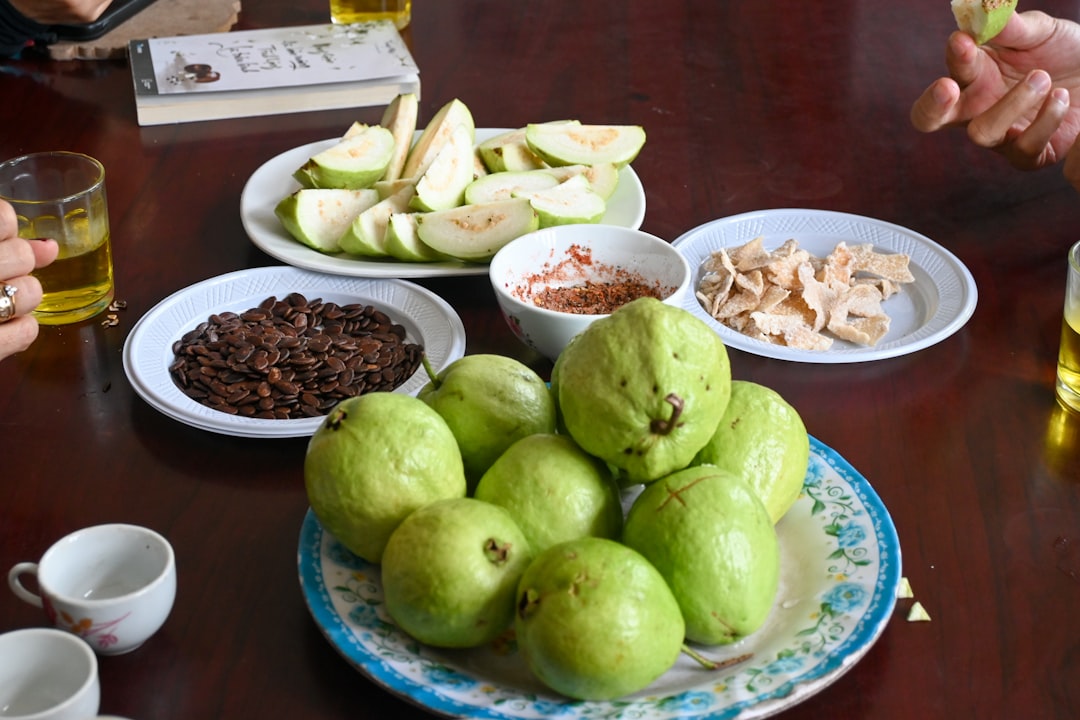
For those looking to explore the potential benefits of guava, incorporating fresh guava fruit or pure, unsweetened guava juice into a balanced diet could be a delicious strategy. Pairing it with iron-rich plant foods, such as lentils, spinach, or fortified cereals, could further enhance non-heme iron absorption. For instance, a glass of guava juice alongside a plant-based meal rich in iron could maximize the uptake of this vital mineral.
The findings underscore the profound impact that seemingly simple dietary choices can have on complex physiological processes. As we continue to unravel the intricate connections between diet and health, the humble guava emerges as a powerful reminder of nature’s capacity to support our well-being.
Explore more in our Nutrition & Performance coverage.
🔬 Scientific Takeaway
A review of 17 studies indicates that consuming guava juice can enhance the body's ability to absorb iron, particularly non-heme iron, due to its high vitamin C content. This effect is especially pronounced when consumed alongside iron supplements, leading to noticeable increases in hemoglobin levels in women and teenage girls. These findings suggest guava juice could serve as an accessible and affordable dietary aid in combating iron deficiency anemia.
Sources & References
Medical Disclaimer: This article is AI-assisted and reviewed by the Vitalheros editorial team. It is provided for informational purposes only and is not a substitute for professional medical advice, diagnosis, or treatment. Always consult a qualified healthcare provider. Reviewed by The Vitalheros Editorial Team.