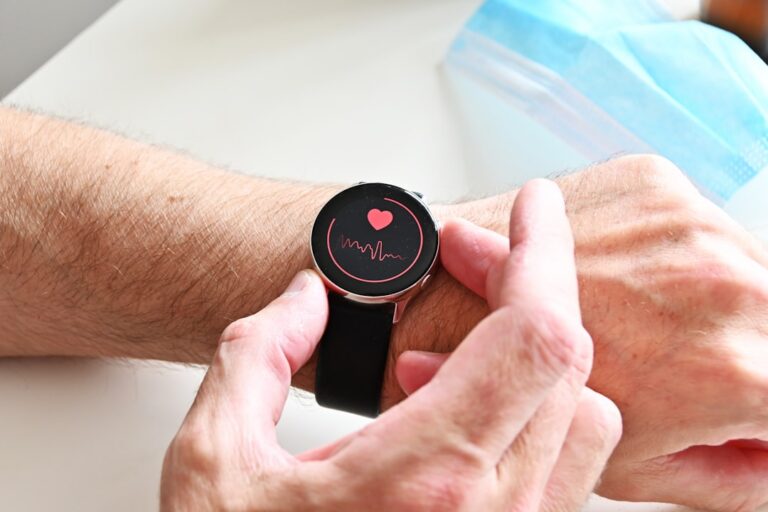
AI Transforms Cardiac Amyloidosis Detection with New ECG Patent
Some links in this article are affiliate links. As an Amazon Associate and partner of other programs, Vitalheros may earn a commission from qualifying purchases, at no extra cost to you. This never influences our editorial coverage.
Unlocking Early Diagnosis: AI’s Promise in Cardiac Amyloidosis
For individuals facing serious health challenges, timely and accurate diagnosis is often the first, most critical step toward effective treatment. Yet, for complex and often overlooked conditions like cardiac amyloidosis, this initial hurdle can prove frustratingly high. This debilitating heart disease, characterized by the abnormal buildup of protein deposits in the heart muscle, frequently evades early detection, leading to significant delays in care.
However, a new development from AccurKardia offers a promising beacon of hope. The company has recently secured a U.S. patent for a machine learning-based system designed to identify cardiac amyloidosis using a standard 12-lead electrocardiogram (ECG). This innovation positions AI as a powerful ally in the diagnostic journey, potentially transforming how we approach a condition where early intervention can dramatically alter patient outcomes.
Understanding Cardiac Amyloidosis: A Silent Threat
Cardiac amyloidosis is not a single disease but rather a manifestation of systemic amyloidosis, where abnormal proteins, called amyloid fibrils, accumulate in various organs. When these fibrils deposit in the heart, they stiffen the muscle walls, impairing its ability to pump blood effectively. This can lead to heart failure, arrhythmias, and other severe cardiovascular complications.
The Challenge of Diagnosis
Diagnosing cardiac amyloidosis is notoriously difficult. Its symptoms—such as fatigue, shortness of breath, swelling, and irregular heartbeats—often mimic those of more common heart conditions like hypertension or typical heart failure. This overlap frequently leads to misdiagnosis or delayed diagnosis, sometimes by several years. Definitive diagnosis typically requires specialized imaging (like cardiac MRI or nuclear scintigraphy) and, in some cases, a heart biopsy, procedures that are often performed late in the disease progression.
There are two primary types of cardiac amyloidosis relevant to adults:
- Light Chain (AL) Amyloidosis: This aggressive form is linked to a bone marrow disorder and requires urgent diagnosis and treatment.
- Transthyretin (ATTR) Amyloidosis: This type can be hereditary (hATTR) or wild-type (wtATTR), often affecting older adults. While less aggressive than AL, it still progresses and can severely impact quality of life and longevity.
Given the progressive nature of the disease and the availability of increasingly effective treatments, particularly for ATTR amyloidosis, early identification is paramount. The longer the delay, the more damage occurs to the heart, limiting the effectiveness of interventions.
The Enduring Role of the Electrocardiogram (ECG)
The electrocardiogram has been a cornerstone of cardiac diagnostics for over a century. This non-invasive, cost-effective test records the electrical activity of the heart, providing valuable insights into its rhythm, rate, and overall health. It’s a fundamental tool in emergency rooms, clinics, and routine check-ups worldwide.
While the ECG is excellent at detecting obvious abnormalities like heart attacks or severe arrhythmias, its ability to pinpoint subtle indicators of complex conditions like cardiac amyloidosis has been limited. Clinicians often look for specific patterns, such as low voltage despite thickened heart walls, but these signs can be nuanced and easily overlooked amidst the noise of other cardiovascular issues.
AI’s Transformative Potential in ECG Analysis
This is where artificial intelligence, specifically machine learning, enters the picture. AI algorithms are adept at identifying intricate patterns and correlations within vast datasets that might be imperceptible to the human eye. By training on thousands, or even millions, of ECG recordings—some from patients with confirmed cardiac amyloidosis and others from healthy individuals or those with different heart conditions—AI can learn to recognize the subtle electrical signatures unique to amyloid deposits.
The promise of AI in ECG analysis lies in its ability to:
- Enhance Sensitivity: Detect subtle biomarkers that human interpretation might miss.
- Improve Efficiency: Rapidly screen large volumes of ECGs, flagging suspicious cases for further investigation.
- Standardize Interpretation: Reduce variability in diagnosis that can arise from different levels of clinician experience.
- Facilitate Early Detection: Potentially identify the disease at an earlier, more treatable stage.
AccurKardia’s Patented Innovation
AccurKardia’s newly patented system represents a significant step forward in applying AI to this diagnostic challenge. Their machine learning-based approach analyzes standard 12-lead ECG data, leveraging sophisticated algorithms to discern the characteristic electrical patterns associated with cardiac amyloidosis. The granting of a U.S. patent underscores the novelty and inventiveness of their method, protecting their intellectual property in this specialized field.
This patent signals not just a technological achievement, but also a strategic move by AccurKardia to expand its investigational AI-ECG pipeline into a disease area where diagnostic innovation is desperately needed. It suggests a future where a routine, inexpensive test could serve as an invaluable first-line screening tool for a condition that often requires advanced and costly diagnostics.
Implications for Early Diagnosis and Patient Care
The potential impact of this AI-driven approach on patient care is profound. Imagine a scenario where a patient presenting with non-specific symptoms, or even undergoing a routine physical, has an ECG taken. If AccurKardia’s AI system detects a suspicious pattern, it could trigger earlier, targeted follow-up tests, significantly reducing diagnostic delays.
“The ability to screen for complex conditions like cardiac amyloidosis using a readily available and inexpensive tool like the ECG could be a game-changer for countless individuals. This technology has the potential to shorten the diagnostic odyssey and ensure patients receive timely, life-extending therapies.”
Earlier diagnosis means patients can access disease-modifying treatments sooner, potentially slowing disease progression, improving heart function, and enhancing overall quality of life. It also has the potential to reduce healthcare costs associated with prolonged diagnostic workups and managing advanced-stage disease complications.
Looking Ahead: The Future of AI in Cardiology
While the patent marks a significant milestone, it is important to remember that this technology is still investigational. Further clinical validation through large-scale studies will be crucial to demonstrate its accuracy, reliability, and clinical utility in diverse patient populations. Regulatory approvals will also be necessary before it can be widely adopted in clinical practice.
Nevertheless, AccurKardia’s patent highlights a broader trend: the increasing integration of artificial intelligence into medical diagnostics. From radiology to pathology, AI is proving its capacity to augment human expertise, identify subtle disease markers, and ultimately, pave the way for a future of more proactive and precise healthcare. For conditions like cardiac amyloidosis, where every moment counts, such advancements offer a powerful new weapon in the fight against disease.
Explore more in our Digital Health coverage.
🔬 Scientific Takeaway
AccurKardia has secured a patent for an AI-powered system that detects cardiac amyloidosis from standard 12-lead electrocardiograms (ECGs). This innovation leverages machine learning to identify subtle patterns in ECG data, which could significantly improve early diagnosis of a condition often delayed due to non-specific symptoms. Earlier detection is crucial for timely intervention and improved patient outcomes.
Sources & References
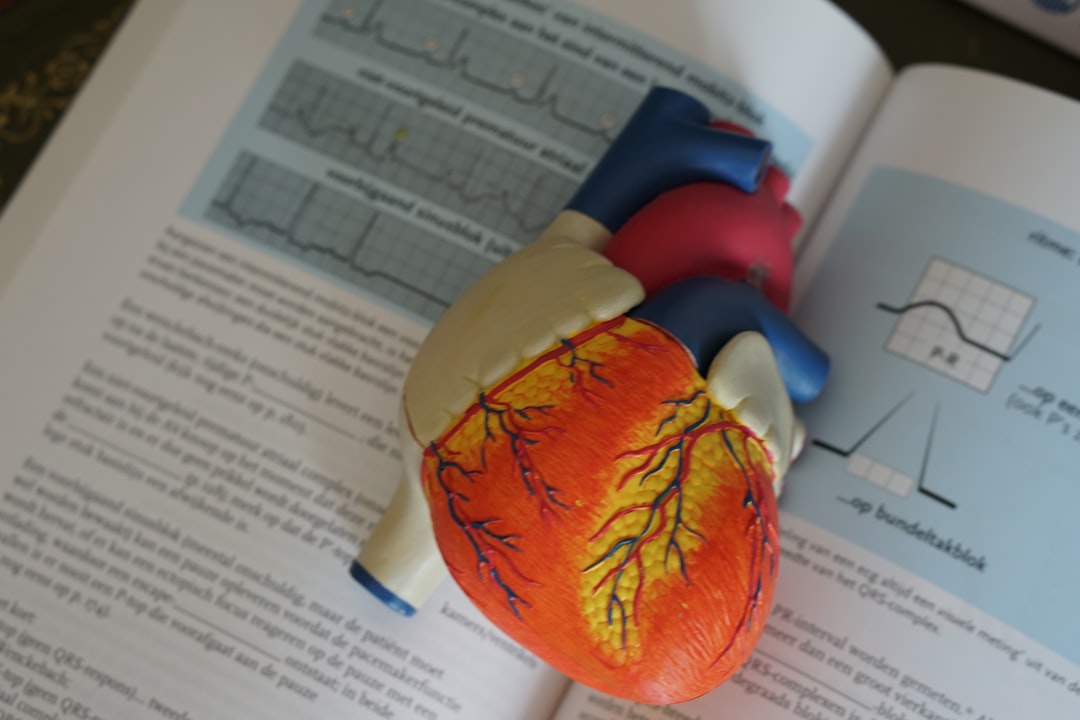
Photo by Robina Weermeijer on Unsplash.
Medical Disclaimer: This article is AI-assisted and reviewed by the Vitalheros editorial team. It is provided for informational purposes only and is not a substitute for professional medical advice, diagnosis, or treatment. Always consult a qualified healthcare provider. Reviewed by The Vitalheros Editorial Team.