AI in Healthcare: Navigating the Frontier of Medical Innovation

Some links in this article are affiliate links. As an Amazon Associate and partner of other programs, Vitalheros may earn a commission from qualifying purchases, at no extra cost to you. This never influences our editorial coverage.
The landscape of modern medicine is undergoing a profound transformation, driven by an accelerating wave of technological innovation. At the forefront of this evolution is artificial intelligence (AI), a force poised to redefine how we diagnose, treat, and manage health. Discussions at forums dedicated to AI in healthcare underscore a collective ambition: to harness this powerful technology to enhance human well-being, extend healthy lifespans, and create more efficient, equitable healthcare systems.
Yet, the journey is not without its complexities. Integrating AI into the deeply human and often intricate world of medicine demands careful consideration of ethical implications, regulatory frameworks, and the practical challenges of implementation. This nuanced discussion is vital as we move from theoretical potential to tangible clinical impact.
The Promise of AI in Clinical Practice
AI’s capacity to process vast datasets, identify subtle patterns, and learn from experience positions it as an invaluable ally in numerous medical domains. Its applications are broad, ranging from augmenting clinical decision-making to accelerating fundamental research.
Enhancing Diagnostics and Early Detection
One of the most immediate and impactful applications of AI lies in its ability to assist with diagnosis. Machine learning algorithms, particularly deep learning, excel at image analysis, often surpassing human capabilities in speed and consistency. In fields like radiology and pathology, AI can scrutinize scans and tissue samples for anomalies, potentially identifying diseases like cancer or diabetic retinopathy at earlier stages than traditional methods alone.
- Radiology: AI can flag suspicious areas on X-rays, MRIs, and CT scans, helping radiologists prioritize cases and reduce diagnostic oversights.
- Pathology: Algorithms can analyze complex histological slides, identifying subtle cellular changes indicative of disease.
- Ophthalmology: AI systems are proving adept at detecting early signs of eye conditions from retinal scans, enabling timely intervention.
Beyond imaging, AI can analyze a patient’s electronic health record, laboratory results, and genetic data to predict disease risk or identify conditions that might otherwise be overlooked.
Revolutionizing Drug Discovery and Development
The process of bringing a new drug to market is notoriously long, expensive, and fraught with high failure rates. AI offers a powerful toolkit to streamline and accelerate this process, from identifying novel drug targets to predicting the efficacy and safety of potential compounds.
- Target Identification: AI can analyze vast biological datasets to pinpoint specific proteins or pathways involved in disease, offering new avenues for therapeutic intervention.
- Molecule Synthesis: Generative AI models can design novel chemical structures with desired properties, potentially leading to more effective and safer drug candidates.
- Clinical Trial Optimization: AI can help identify suitable patient cohorts for clinical trials, predict patient responses, and even monitor trial progress, potentially reducing costs and accelerating timelines.
By automating and optimizing various stages of drug development, AI holds the promise of bringing life-saving therapies to patients more rapidly and efficiently.
Personalizing Patient Care
The concept of ‘one-size-fits-all’ medicine is increasingly giving way to personalized approaches. AI is central to this shift, enabling clinicians to tailor treatments based on an individual’s unique biological makeup, lifestyle, and disease profile.
AI algorithms can analyze a patient’s genetic information, medical history, and real-time physiological data to recommend optimal treatment strategies, predict response to specific medications, and anticipate potential adverse reactions. This level of personalized insight can lead to more effective interventions, fewer side effects, and improved patient outcomes.
Navigating the Complexities: Challenges and Considerations
While the potential of AI in healthcare is undeniable, its responsible integration requires addressing several critical challenges.
Data Integrity and Privacy
AI’s effectiveness is directly tied to the quality and quantity of data it learns from. Healthcare data is often fragmented, inconsistently recorded, and highly sensitive. Ensuring the integrity, standardization, and ethical handling of this data, particularly patient privacy, is paramount. Robust cybersecurity measures and de-identification techniques are essential to build and maintain public trust.
Addressing Bias and Equity
AI models learn from the data they are fed. If this data reflects existing societal biases or is unrepresentative of diverse populations, the AI system can perpetuate or even amplify health disparities. Developing equitable AI requires diverse training datasets, rigorous validation, and continuous monitoring to ensure fair and unbiased outcomes across all patient groups.
Regulatory Frameworks and Ethical Guidelines
The rapid pace of AI innovation often outstrips the development of regulatory oversight. Establishing clear guidelines for the development, validation, deployment, and monitoring of AI-powered medical devices and software is crucial. Ethical considerations, such as accountability for AI-driven decisions, transparency of algorithms, and the potential for deskilling healthcare professionals, also demand careful thought and proactive policy development.
Integration into Clinical Workflows
Even the most advanced AI tools are ineffective if they cannot be seamlessly integrated into existing clinical workflows. This requires user-friendly interfaces, interoperability with existing electronic health records, and comprehensive training for healthcare providers. The goal is to augment, not complicate, the work of clinicians.
The Future: A Collaborative Human-AI Ecosystem
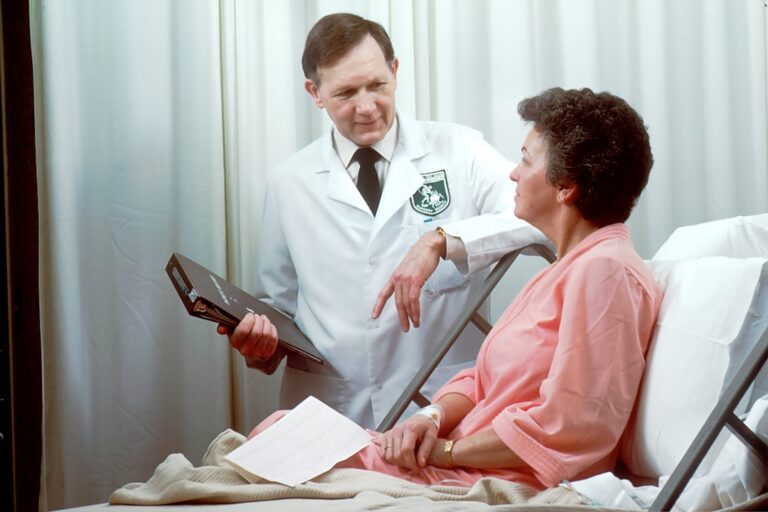
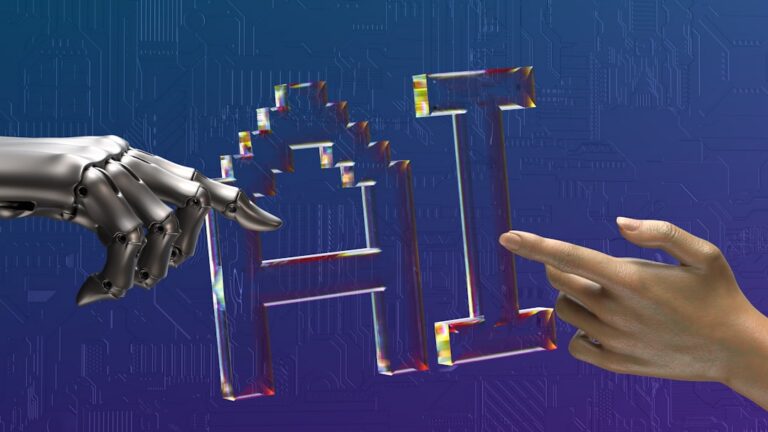
The prevailing sentiment among experts is that AI will not replace human clinicians but rather empower them. The future of healthcare likely involves a collaborative ecosystem where AI handles repetitive tasks, analyzes vast datasets, and provides decision support, freeing human professionals to focus on complex problem-solving, empathy, and direct patient interaction.
“AI is a powerful tool, not a substitute for human compassion and clinical judgment. The most effective future for healthcare will involve a seamless partnership between advanced algorithms and skilled, empathetic professionals.”
Achieving this future requires interdisciplinary collaboration among technologists, clinicians, ethicists, policymakers, and patients. It means fostering an environment of continuous learning and adaptation, ensuring that AI serves humanity’s best interests.
The discussions at forums on AI in healthcare are not just about technological advancements; they are about shaping a future where medicine is more precise, accessible, and ultimately, more human-centric. By thoughtfully addressing the opportunities and challenges, we can unlock AI’s full potential to transform health for generations to come.
Explore more in our Digital Health coverage.
🔬 Scientific Takeaway
Artificial intelligence holds immense promise for transforming healthcare by enhancing diagnostics, accelerating drug discovery, and enabling personalized patient care. Realizing this potential requires rigorous attention to data integrity, ethical considerations, bias mitigation, and the development of robust regulatory frameworks. The future of AI in medicine is envisioned as a collaborative ecosystem, augmenting human capabilities rather than replacing them.
Sources & References
Photo by Steve A Johnson on Unsplash.
Medical Disclaimer: This article is AI-assisted and reviewed by the Vitalheros editorial team. It is provided for informational purposes only and is not a substitute for professional medical advice, diagnosis, or treatment. Always consult a qualified healthcare provider. Reviewed by The Vitalheros Editorial Team.