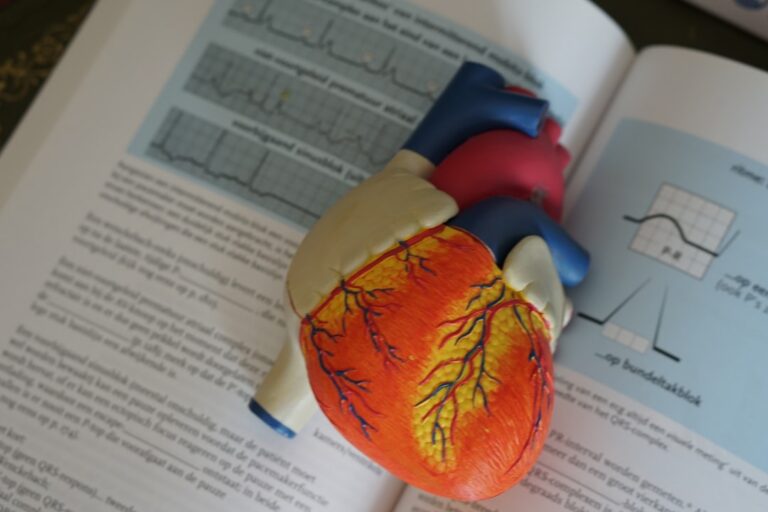
At-Home Pulse Tracking: Early Detection of Normal Heart Rhythms
Some links in this article are affiliate links. As an Amazon Associate and partner of other programs, Vitalheros may earn a commission from qualifying purchases, at no extra cost to you. This never influences our editorial coverage.
The Rhythms of Life: Monitoring Your Heart’s Natural Beat
In an era where personal health data is increasingly at our fingertips, the ability to monitor vital signs from the comfort of home is revolutionizing how we approach longevity and wellness. Among the most critical of these vital signs is heart rhythm. While much attention rightly focuses on detecting irregular heartbeats, a burgeoning area of innovation is now allowing us to precisely track the *return* to a normal, healthy heart rhythm, offering new insights for both patients and clinicians.
This advancement, primarily driven by sophisticated pulse-wave tracking technology embedded in everyday wearables, holds significant promise. It empowers individuals with conditions like atrial fibrillation (AFib) to gain a clearer understanding of their heart’s behavior, potentially influencing treatment decisions and reducing anxiety.
Understanding Heart Rhythms and the Challenge of Irregularities
Our hearts beat in a carefully orchestrated rhythm, driven by electrical impulses that ensure efficient blood circulation. This regular pattern, known as sinus rhythm, is the benchmark of cardiac health. However, various factors can disrupt this rhythm, leading to arrhythmias.
The Pervasive Impact of Atrial Fibrillation
Atrial fibrillation (AFib) stands out as one of the most common sustained arrhythmias, affecting millions globally. Characterized by a rapid, irregular quivering of the heart’s upper chambers (atria), AFib can lead to symptoms ranging from palpitations and fatigue to more serious complications like stroke. Managing AFib often involves a combination of medication, lifestyle adjustments, and sometimes procedures aimed at restoring or maintaining a normal rhythm.
A key aspect of AFib management is monitoring its presence and duration. For many patients, episodes of AFib can be intermittent, sometimes spontaneously converting back to a normal sinus rhythm. Knowing when this spontaneous reversion occurs is incredibly valuable, yet traditionally, it has been challenging to capture outside of a clinical setting.
Beyond the Clinic: The Rise of At-Home Pulse-Wave Tracking
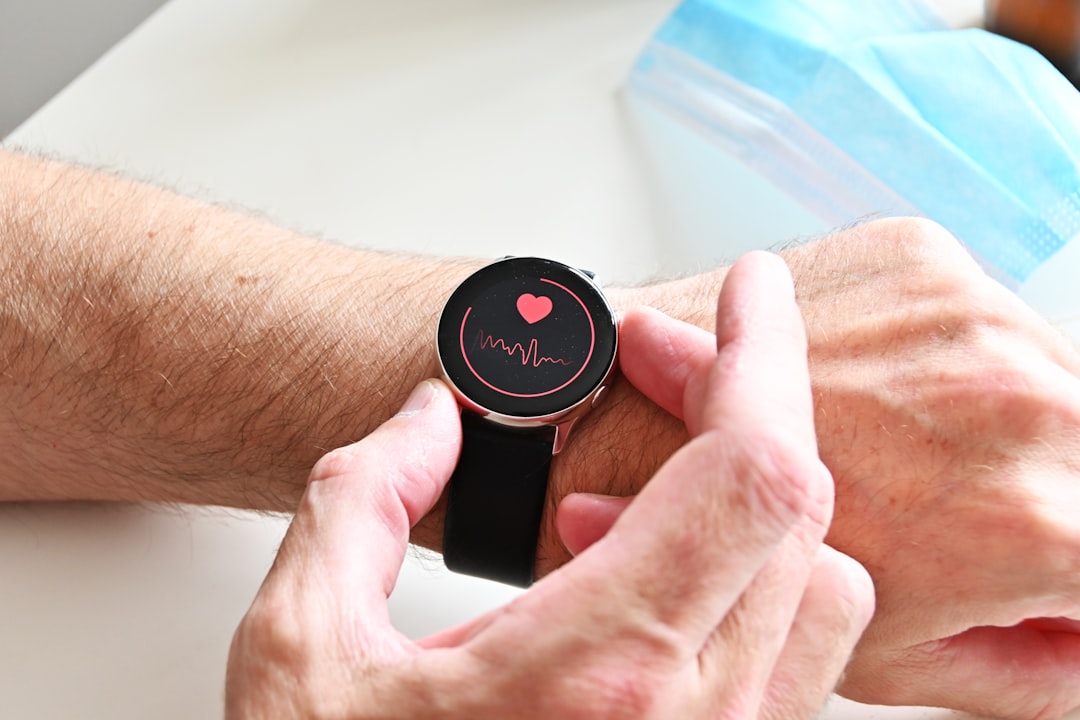
The advent of wearable technology has ushered in a new era of personal health monitoring. Devices like smartwatches, rings, and adhesive patches are now equipped with sensors capable of continuously or intermittently tracking physiological data, including heart rate and rhythm.
How Pulse-Wave Technology Works
At the heart of many of these devices is a technology called photoplethysmography (PPG). PPG sensors work by emitting light (often green LED light) onto the skin and then measuring the amount of light reflected or transmitted back. As blood flows through the capillaries just beneath the skin’s surface, it absorbs light. The amount of light absorbed changes with each heartbeat, creating a pulse wave that can be detected and translated into a heart rate. Sophisticated algorithms can then analyze the regularity of these pulse waves to identify potential rhythm disturbances or, crucially, the return to a stable, normal pattern.
"The ability to capture real-time heart rhythm data outside the doctor’s office offers an unparalleled window into a patient’s cardiac health, transforming reactive care into proactive management."
Catching Normal Rhythms Early: A New Frontier in Cardiac Care
While much of the focus on wearable heart monitoring has been on detecting irregular rhythms, the latest advancements highlight the power of these devices to identify the *spontaneous return* to a normal sinus rhythm, and to do so early.
The Significance of Spontaneous Reversion to Sinus Rhythm
For individuals managing AFib, the spontaneous return to a normal rhythm is a positive clinical event. Early detection of this reversion can have several important implications:
- Informing Treatment Decisions: Knowing when a patient’s heart naturally reverts to sinus rhythm can help clinicians tailor anti-arrhythmic medication dosages or even consider de-escalation of certain therapies, potentially reducing side effects.
- Reducing Patient Anxiety: Living with AFib can be stressful. Receiving timely confirmation that their heart has returned to a normal rhythm can significantly alleviate patient worry and improve quality of life.
- Personalized Care Plans: The pattern of spontaneous reversion can provide valuable insights into the individual nature of a patient’s AFib, allowing for more personalized and effective management strategies over time.
- Avoiding Unnecessary Interventions: In some cases, early detection of normal rhythm might prevent unnecessary hospital visits or medical interventions if the patient is already stable.
This capability moves beyond simply alerting to problems; it offers a nuanced understanding of the heart’s dynamic state, providing a more complete picture of a patient’s cardiac journey.
Empowering Patients and Clinicians with Data
This technology fosters a more collaborative approach to health management. Patients become active participants, equipped with data that can fuel informed conversations with their healthcare providers. Clinicians, in turn, gain access to rich, longitudinal data collected in the patient’s natural environment, offering a more accurate representation of their heart’s behavior than sporadic clinic visits alone.
This shift from episodic to continuous monitoring facilitates shared decision-making, allowing for more agile and responsive care plans that adapt to the individual’s changing cardiac status.
The Future of Cardiac Monitoring: Precision and Personalization
The ability to detect spontaneous normal heart rhythms early via at-home pulse-wave tracking marks a significant step towards more precise and personalized cardiac care. As these technologies become more sophisticated and integrated, we can anticipate a future where:
- Predictive Analytics: Advanced algorithms may be able to predict the likelihood of spontaneous reversion or recurrence of arrhythmias, allowing for even more proactive interventions.
- Seamless Data Integration: Data from wearables will integrate seamlessly with electronic health records, providing a holistic view of a patient’s health trajectory.
- Enhanced Telehealth: Remote monitoring will become an even more powerful tool, enabling effective care delivery regardless of geographical barriers.
Important Considerations and Next Steps
While the potential is immense, it’s crucial to remember that at-home pulse-wave tracking devices are primarily screening tools, not standalone diagnostic instruments. Any data gathered from these devices should always be shared with and interpreted by a qualified healthcare professional. They serve as valuable adjuncts to clinical care, providing data that can inform, but not replace, a medical diagnosis or treatment plan.
Ongoing research and clinical validation will continue to refine the accuracy and utility of these technologies, ensuring they are integrated responsibly and effectively into mainstream healthcare practices. The journey towards truly personalized and preventative cardiac health is well underway, and at-home pulse-wave tracking is playing an increasingly vital role.
Explore more in our Digital Health coverage.
🔬 Scientific Takeaway
At-home pulse-wave tracking technology, commonly found in wearables, can effectively detect the early, spontaneous return of a normal sinus heart rhythm. This capability provides valuable real-world data, enabling more informed clinical decisions regarding treatment adjustments for conditions like atrial fibrillation and potentially reducing patient anxiety by confirming normal cardiac function.
Sources & References
Medical Disclaimer: This article is AI-assisted and reviewed by the Vitalheros editorial team. It is provided for informational purposes only and is not a substitute for professional medical advice, diagnosis, or treatment. Always consult a qualified healthcare provider. Reviewed by The Vitalheros Editorial Team.