Unlocking the Secrets of Aging: Why Multi-Omics Clocks Are the Future
Some links in this article are affiliate links. As an Amazon Associate and partner of other programs, Vitalheros may earn a commission from qualifying purchases, at no extra cost to you. This never influences our editorial coverage.
In the quest for a longer, healthier life, understanding how we age is paramount. While our chronological age simply marks the passage of time since birth, our biological age reflects the true physiological wear and tear on our bodies. This distinction has propelled the development of ‘aging clocks’ – sophisticated tools designed to measure our biological age with increasing precision.
For years, researchers have been refining these clocks, moving from basic indicators to highly advanced predictive models. The latest frontier in this exciting field involves integrating multiple layers of biological data, a concept known as multi-omics, to create a far more comprehensive and accurate picture of an individual’s aging process.
What Are Biological Aging Clocks?
At their core, biological aging clocks are sophisticated algorithms powered by machine learning. They analyze vast datasets of biological information – ranging from genetic markers to metabolic profiles – gathered from individuals of various chronological ages. By identifying complex patterns within this data, these clocks learn to estimate a person’s biological age, often revealing that it can differ significantly from their birth certificate age.
The potential applications are profound: identifying individuals aging faster than their peers, predicting future disease risk, and, crucially, evaluating the effectiveness of interventions aimed at slowing or reversing aspects of aging.
The Evolution of Aging Clocks: From Chronological to Outcome-Based
Early Insights from DNA Methylation
The initial wave of biological clocks, pioneered by researchers like Steve Horvath and Eric Hannum, primarily focused on DNA methylation (DNAm) patterns. DNA methylation is an epigenetic modification, a chemical tag on our DNA that influences gene activity without altering the underlying genetic code. These early DNAm clocks were trained to predict chronological age based on these patterns.
These foundational clocks proved invaluable. They demonstrated the ability to track biological aging across different tissues and could identify instances of accelerated aging associated with various health conditions. However, a key limitation emerged: while excellent at estimating chronological age, clocks trained solely on this metric often showed limited ability to predict hard clinical outcomes such as the incidence of age-related diseases or overall mortality in the general population.
Predicting Health Trajectories: Outcome-Trained Clocks
Recognizing this gap, a newer generation of aging clocks has emerged. These advanced models are not simply trained to predict chronological age. Instead, they are directly trained on ‘hard outcomes’ – real-world health events such as all-cause mortality, the onset of specific diseases, or changes in functional capacity. This shift in training methodology has yielded significantly superior performance in predicting an individual’s future health trajectory.
These outcome-trained clocks leverage a broader spectrum of biological data, including refined DNAm-based approaches, metabolomic profiles (the study of small molecules involved in metabolism), and routine clinical biomarkers (like blood pressure, cholesterol levels, and blood glucose). By directly correlating biological patterns with health events, these clocks offer a more actionable insight into an individual’s longevity prospects and disease risk.
Beyond Systemic Views: The Rise of Organ-Specific Clocks
One of the most compelling recent developments in geroscience is the concept of organ-specific aging clocks. It’s a well-established fact that our organs do not age uniformly; one organ might show signs of accelerated aging while another remains relatively youthful. Traditional systemic aging clocks, which provide a single overall biological age, might miss these critical nuances.
Organ clocks address this by integrating coordinated molecular patterns within a specific tissue or organ to estimate its biological age relative to its chronological age. This distinction is vital because it allows researchers and clinicians to pinpoint functional decline at the tissue level, rather than relying on generalized molecular alterations. By quantifying organ-specific aging, these clocks provide a powerful framework for linking molecular changes directly to the risk of organ-specific diseases and their clinical outcomes, paving the way for more targeted interventions.
The Multi-Omics Frontier: A Holistic Perspective
Despite the advancements, even the most sophisticated single-omic approaches – whether focusing solely on epigenomics, metabolomics, or proteomics – offer only a partial view of the incredibly complex process of biological aging. Aging is a multidimensional phenomenon, involving intricate interactions across genetic, epigenetic, transcriptional, proteomic, and metabolic pathways that dynamically change over time and interact across different tissues.
The Power of Integration
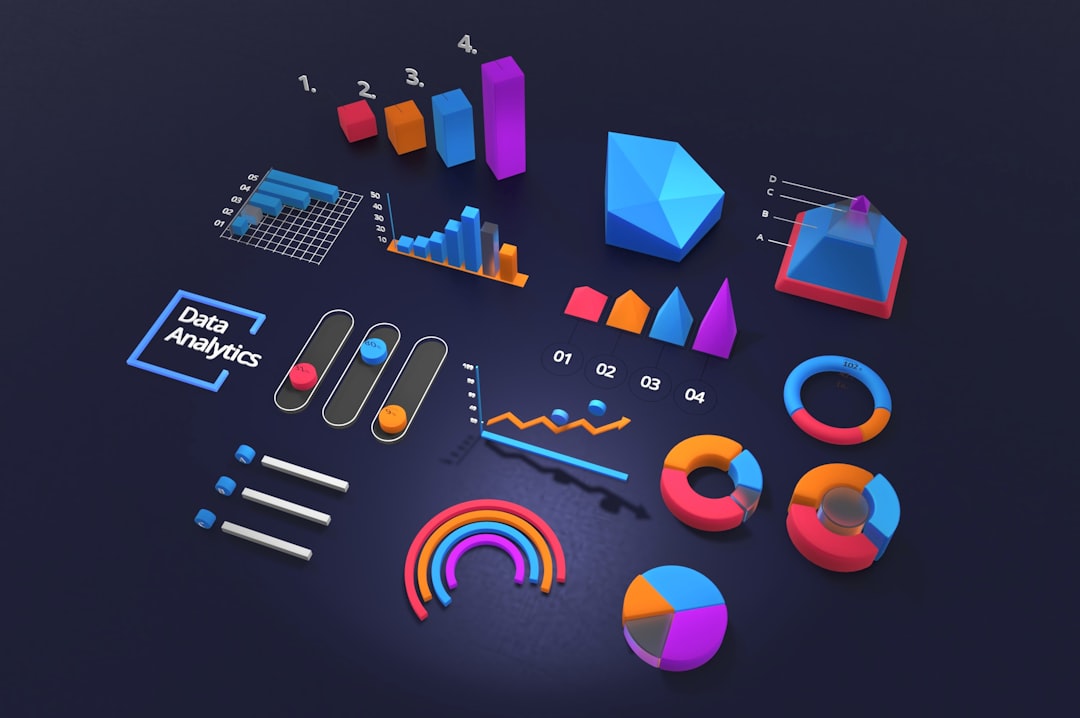
This inherent complexity underscores the compelling argument for multi-omics approaches. By integrating data from various ‘omics’ platforms – for example, combining genomics (the study of genes), epigenomics (gene regulation), transcriptomics (gene expression), proteomics (proteins), and metabolomics (metabolites) – researchers can create a far more holistic and nuanced assessment of biological aging. This integrative strategy allows for the capture of interactions between different biological layers, revealing insights that would be invisible to single-platform analyses.
Imagine a symphony: listening to only one instrument provides some understanding, but only by hearing the entire orchestra can you appreciate the full composition. Multi-omics clocks aim to provide that full orchestral view of an individual’s biological state, offering a deeper understanding of their health and longevity trajectory.
Challenges and the Path Forward
While the promise of multi-omics clocks is immense, their development and widespread adoption face significant challenges. Integrating diverse datasets from different omics platforms introduces considerable technical variability and demands sophisticated computational methods. Moreover, the availability of comprehensive, high-quality longitudinal datasets – which track individuals over many years with multiple omics measurements – remains limited.
The ultimate goal for these advanced biological clocks is to serve as reliable, low-cost, and fast tools for assessing the effectiveness of novel approaches to rejuvenation and longevity interventions. While significant progress has been made, the scientific community continues to prioritize refining existing well-studied clocks even as it pushes the boundaries with multi-omics integration. Overcoming these hurdles will be crucial for translating the predictive power of multi-omics clocks into actionable strategies for personalized health and extended human healthspan.
Explore more in our Longevity & Biohacking coverage.
🔬 Scientific Takeaway
Multi-omics aging clocks represent a significant advancement in geroscience by integrating diverse biological data types (genomic, epigenomic, proteomic, metabolomic). This comprehensive approach aims to provide a more holistic and accurate assessment of an individual's biological age and disease risk, moving beyond single-platform limitations. While challenges remain in data integration and validation, these advanced clocks hold promise for tracking health trajectories and evaluating longevity interventions.
Sources & References
Photo by Deng Xiang on Unsplash.
Medical Disclaimer: This article is AI-assisted and reviewed by the Vitalheros editorial team. It is provided for informational purposes only and is not a substitute for professional medical advice, diagnosis, or treatment. Always consult a qualified healthcare provider. Reviewed by The Vitalheros Editorial Team.