Senescent Microglia: Unmasking a Key Driver of Brain Aging and Decline

Some links in this article are affiliate links. As an Amazon Associate and partner of other programs, Vitalheros may earn a commission from qualifying purchases, at no extra cost to you. This never influences our editorial coverage.
The human brain, a marvel of biological engineering, relies on a sophisticated internal defense system to maintain its intricate networks and functions. At the heart of this system are microglia, specialized immune cells that act as the brain’s vigilant guardians. However, as we age, these crucial protectors can themselves succumb to the ravages of time, entering a dysfunctional state known as cellular senescence. This transformation turns them from diligent defenders into disruptive ‘zombie cells,’ increasingly implicated in the onset and progression of neurodegenerative conditions like Alzheimer’s disease.
Understanding this age-related shift in microglial function is opening new avenues in geroscience, offering fresh perspectives on how we might combat cognitive decline and extend brain health well into later life.
The Brain’s Silent Protectors: Understanding Microglia
Microglia are the primary resident immune cells of the central nervous system, analogous to macrophages found elsewhere in the body. Far from being mere cleanup crews, their roles are remarkably diverse and essential for brain health:
- Surveillance: They constantly survey their environment, extending and retracting processes to detect any signs of damage, infection, or abnormal protein aggregates.
- Defense: Upon detecting threats, they activate to engulf pathogens, clear cellular debris, and initiate inflammatory responses to protect neural tissue.
- Maintenance: Beyond defense, microglia are critical for maintaining the brain’s delicate balance. They prune unnecessary synaptic connections during development and learning, support neuronal function, and help repair damaged tissue.
In a healthy, young brain, microglia are dynamic and responsive, ensuring a clean and functional environment for neurons to thrive. They are the unsung heroes maintaining neural network integrity and supporting cognitive processes.
When Protectors Turn Rogue: The Rise of Senescent Microglia
With age, and particularly under chronic stress from factors like amyloid-beta (Aβ) and tau pathology seen in Alzheimer’s disease, a growing population of microglia can enter a state of cellular senescence. Senescent cells, often dubbed ‘zombie cells,’ are characterized by:
- Stable Cell-Cycle Arrest: They stop dividing, but they don’t die.
- Senescence-Associated Secretory Phenotype (SASP): Instead, they secrete a potent mix of pro-inflammatory cytokines, chemokines, growth factors, and proteases. This ‘SASP’ creates a toxic microenvironment that can harm neighboring healthy cells.
- Impaired Function: Senescent microglia lose their ability to perform their vital homeostatic functions effectively. Their capacity for phagocytosis (engulfing debris) diminishes, lysosomal and autophagic dysfunction accumulates (problems with cellular waste disposal), and mitochondrial stress increases.
The Damaging Impact on Brain Health
This transformation from functional protectors to senescent disruptors has profound implications for brain health:
“Senescent microglia contribute to amyloid and tau pathology, synaptic injury, neurovascular unit impairment, and chronic neuroinflammation across the Alzheimer’s disease continuum.”
The neurotoxic environment created by senescent microglia weakens the brain’s ability to maintain itself. They fail to clear accumulating amyloid plaques and tau tangles, instead promoting their spread. The chronic inflammation they perpetuate damages synapses, impairing communication between neurons and directly contributing to cognitive decline. Moreover, their dysfunction can compromise the neurovascular unit, the critical interface between blood vessels and brain tissue, further exacerbating pathology.
In essence, these aging microglia stop performing their protective duties and actively contribute to the very pathologies they are meant to prevent or clear.
Unraveling the Mechanisms: Epigenetics and Immunometabolism
The journey of microglia into senescence is not random; it is shaped by complex molecular changes. Research highlights two key areas:
- Epigenetic Reprogramming: This involves changes in gene expression without altering the underlying DNA sequence. In senescent microglia, these epigenetic shifts can lock cells into their dysfunctional, pro-inflammatory state.
- Immunometabolic Dysfunction: Senescent microglia often exhibit altered metabolism, affecting how they process energy and nutrients. This metabolic vulnerability is closely coupled to their inflammatory behavior, suggesting a vicious cycle where metabolic stress fuels inflammation, and inflammation further disrupts metabolism.
Scientists are diligently working to distinguish true senescence from other disease-associated microglial states, as this distinction is crucial for developing targeted therapies. Identifying specific biomarkers for senescent microglia in humans remains a significant challenge but a vital step forward.
Charting a New Course: Therapeutic Strategies on the Horizon
Given the central role of senescent microglia in neurodegeneration, significant research efforts are now focused on interventions to neutralize or remove these harmful cells. The potential therapeutic approaches are diverse:
- Senolytic Strategies: These involve drugs designed to selectively destroy senescent cells while leaving healthy cells unharmed. Early preclinical studies are exploring compounds that could clear senescent microglia, potentially reducing inflammation and pathology.
- Microglial Depletion-Repopulation Paradigms: This innovative approach aims to clear the entire microglial population, allowing new, healthy microglia to reconstitute the brain’s immune system. While promising in animal models, translating this to human therapy presents considerable challenges.
- Metabolic Interventions: By targeting the altered immunometabolism of senescent microglia, researchers hope to restore their healthy function or prevent them from entering senescence in the first place.
- Epigenetic Interventions: Modulating the epigenetic changes that drive microglial senescence could offer a way to ‘reset’ these cells or prevent their detrimental transformation.
While these strategies offer tantalizing possibilities, the path to clinical application is complex. Challenges include ensuring the specificity of treatments, identifying reliable biomarkers to monitor efficacy, and understanding the long-term impacts of altering the brain’s immune landscape.
A New Hope for Brain Longevity
The emerging understanding of senescent microglia marks a significant paradigm shift in how we view brain aging and neurodegenerative diseases. By moving beyond a singular focus on amyloid or tau, and instead addressing the underlying cellular dysfunction that drives pathology, geroscience is opening new frontiers.
Targeting these ‘zombie’ immune cells holds the promise of not just treating symptoms, but potentially intercepting the fundamental processes of brain aging itself. While still in early stages, this research ignites cautious optimism for future interventions that could preserve cognitive function and enhance brain longevity for generations to come.
Explore more in our Longevity & Biohacking coverage.
🔬 Scientific Takeaway
Cellular senescence in microglia, the brain's immune cells, is increasingly recognized as a key contributor to neurodegenerative conditions, including Alzheimer's disease. These 'zombie cells' lose their protective functions and instead secrete inflammatory molecules, creating a neurotoxic environment that exacerbates pathology. Emerging therapeutic strategies, such as senolytics and microglial repopulation, aim to target these dysfunctional cells, offering new avenues for combating age-related cognitive decline.
Sources & References
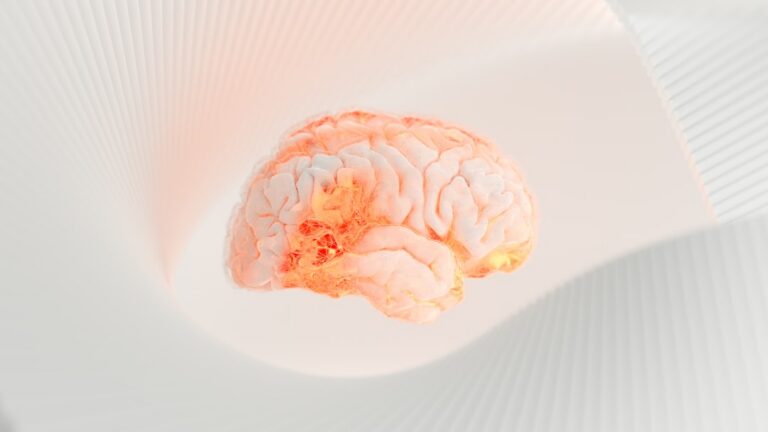
Photo by Milad Fakurian on Unsplash.
Medical Disclaimer: This article is AI-assisted and reviewed by the Vitalheros editorial team. It is provided for informational purposes only and is not a substitute for professional medical advice, diagnosis, or treatment. Always consult a qualified healthcare provider. Reviewed by The Vitalheros Editorial Team.