Beyond the Scale: How Exercise Transforms Health in Obesity

Some links in this article are affiliate links. As an Amazon Associate and partner of other programs, Vitalheros may earn a commission from qualifying purchases, at no extra cost to you. This never influences our editorial coverage.
For many embarking on a health journey, the bathroom scale can feel like the ultimate arbiter of progress. This is particularly true for individuals living with obesity, where weight loss is often the primary, and sometimes sole, focus. Yet, a growing body of scientific evidence underscores a crucial message: the health benefits of regular physical activity extend far beyond what any scale can measure. Even when the numbers barely budge, exercise initiates profound, often invisible, transformations within the body, significantly improving overall health and longevity.
Understanding these deeper benefits is vital, as it shifts the narrative from a potentially discouraging obsession with weight to an empowering appreciation for holistic well-being. It highlights that every step, every lift, every moment of elevated heart rate contributes to a healthier, more resilient self, regardless of immediate changes in body mass.
The Invisible Victories: Metabolic & Body Composition Shifts
One of the most compelling arguments for consistent exercise, irrespective of weight loss, lies in its capacity to re-engineer metabolic health and body composition. These internal improvements are often the first to manifest and can significantly mitigate the health risks associated with obesity.
Metabolic Health Transformations
Regular physical activity acts as a powerful catalyst for metabolic recalibration. It enhances the body’s ability to process glucose and fats, leading to improvements that are critical for long-term health:
- Improved Insulin Sensitivity: Exercise helps cells become more responsive to insulin, the hormone responsible for regulating blood sugar. This can lower the risk of developing type 2 diabetes or improve management for those already diagnosed.
- Better Blood Sugar Control: By utilizing glucose for energy, physical activity directly helps lower blood sugar levels, even without significant weight reduction.
- Favorable Lipid Profiles: Consistent movement can lead to beneficial changes in cholesterol levels, typically increasing ‘good’ high-density lipoprotein (HDL) cholesterol and decreasing ‘bad’ low-density lipoprotein (LDL) cholesterol and triglycerides.
- Blood Pressure Regulation: Exercise is a well-established strategy for lowering elevated blood pressure, reducing the strain on the cardiovascular system.
Body Composition Shifts
The scale measures total body mass, but it doesn’t differentiate between fat and muscle. Exercise, particularly resistance training, can lead to a phenomenon where fat mass decreases while muscle mass increases. Since muscle is denser than fat, these changes might not register as a dramatic drop in weight, but the health implications are profound.
A body with a higher proportion of muscle mass is metabolically more active, burning more calories even at rest. This shift improves strength, functional capacity, and contributes to a healthier overall physique, even if the total weight remains relatively stable.
Cardioprotective Power: Shielding the Heart and Vessels
Beyond metabolic improvements, exercise directly fortifies the cardiovascular system, offering a robust defense against heart disease, a common comorbidity of obesity.
Reducing Systemic Inflammation
Chronic low-grade inflammation is a hallmark of obesity and a significant contributor to numerous chronic diseases, including cardiovascular disease. Regular exercise has a potent anti-inflammatory effect, helping to reduce systemic inflammation throughout the body. This protective action can significantly lower the risk of arterial damage and plaque buildup.
Enhancing Vascular Function
Physical activity promotes the health and flexibility of blood vessels. It encourages the production of nitric oxide, a molecule that helps blood vessels relax and widen, improving blood flow and reducing the workload on the heart. Enhanced vascular function translates to better oxygen and nutrient delivery to tissues and organs, and a lower risk of conditions like atherosclerosis.
Mental Well-being and Quality of Life
The benefits of exercise extend beyond the purely physiological, profoundly impacting mental health and daily living quality. These often-overlooked advantages are crucial for sustained well-being and can serve as powerful motivators.
Mood, Energy, and Sleep Enhancement
Exercise is a natural mood elevator, stimulating the release of endorphins and other neurochemicals that promote feelings of happiness and reduce stress. Regular physical activity can also combat fatigue, boost energy levels, and significantly improve sleep quality, which is often compromised in individuals with obesity.
Improved Functional Capacity
Even moderate exercise can dramatically enhance an individual’s ability to perform daily activities. Increased strength, flexibility, and endurance mean easier movement, reduced pain, and greater independence. This improvement in functional capacity can lead to a higher quality of life, allowing individuals to engage more fully in social activities and hobbies.
“The true measure of health isn’t always reflected on a scale. It’s in the vitality you feel, the strength you gain, and the resilience your body builds from within.”
A Long-Term Investment in Health
Viewing exercise as a long-term investment rather than a quick fix for weight loss can transform one’s approach to physical activity. The cumulative effects of consistent movement build a foundation of health that pays dividends for years to come, irrespective of immediate weight fluctuations.
Sustained Adherence is Key
The most significant health benefits from exercise are realized through sustained adherence. Finding enjoyable activities and integrating them into a routine makes it more likely to stick with it. Whether it’s walking, swimming, cycling, or strength training, the key is consistency over intensity, especially when starting out.
In conclusion, while weight loss remains a valuable goal for many individuals with obesity, it is imperative not to let the scale dictate the perceived value of physical activity. Exercise offers a myriad of health benefits—from metabolic improvements and cardiovascular protection to enhanced mental well-being and functional capacity—that are deeply impactful, often occurring independently of significant changes in body weight. Embracing movement as a cornerstone of health, rather than solely a tool for weight reduction, empowers individuals to celebrate every step of their journey toward a more vibrant, resilient life.
Explore more in our Digital Health coverage.
🔬 Scientific Takeaway
Consistent physical activity provides substantial health benefits for individuals with obesity, regardless of whether it results in significant weight loss. Exercise profoundly improves metabolic health, cardiovascular function, body composition, and mental well-being by enhancing insulin sensitivity, reducing inflammation, improving lipid profiles, and boosting mood. These 'invisible' victories underscore the importance of regular movement as a crucial long-term investment in health, transcending the numbers on a scale.
Sources & References
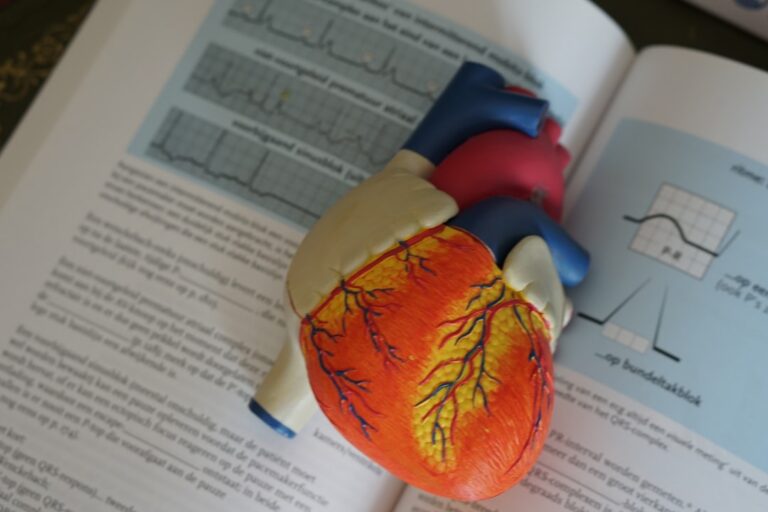
Photo by Jamie Brown on Unsplash.
Medical Disclaimer: This article is AI-assisted and reviewed by the Vitalheros editorial team. It is provided for informational purposes only and is not a substitute for professional medical advice, diagnosis, or treatment. Always consult a qualified healthcare provider. Reviewed by The Vitalheros Editorial Team.