MicroRNA-147: A Novel Regulator in Atherosclerosis Plaque Stability
Some links in this article are affiliate links. As an Amazon Associate and partner of other programs, Vitalheros may earn a commission from qualifying purchases, at no extra cost to you. This never influences our editorial coverage.
Atherosclerosis, a progressive disease characterized by the hardening and narrowing of arteries, remains a leading cause of cardiovascular events worldwide. While often associated with cholesterol accumulation, the underlying mechanisms are far more intricate, involving a complex interplay of inflammation and immune cell behavior. Recent research is shedding light on these complexities, particularly the dual role of immune cells called macrophages and the delicate regulatory molecules that govern their actions within arterial plaques.
Understanding these cellular dynamics is crucial for developing more effective strategies against a condition that silently progresses for decades before manifesting as a heart attack or stroke. The latest findings point to a specific microRNA molecule, miR-147, as a key determinant of plaque stability, offering a fascinating glimpse into potential new therapeutic avenues.
Understanding Atherosclerosis: More Than Just ‘Bad’ Cholesterol
Atherosclerosis begins when damage to the inner lining of arteries, often due to factors like high blood pressure, elevated cholesterol, or smoking, triggers an inflammatory response. This prompts the accumulation of low-density lipoprotein (LDL) cholesterol particles, which become oxidized and attract immune cells.
Over time, these deposits, along with various cells and connective tissue, form plaques within the arterial walls. These plaques can grow, progressively narrowing the artery and restricting blood flow. More dangerously, they can become unstable, rupture, and trigger the formation of a blood clot, leading to acute blockages that cause heart attacks or strokes.
Macrophages: The Immune System’s Double-Edged Sword in Arteries
Macrophages, often dubbed the ‘scavenger cells’ of the immune system, play a central yet paradoxical role in atherosclerosis. Initially, they are recruited to the site of injury to clear away excess lipids and cellular debris, attempting to resolve the inflammation and restore arterial health. They engulf cholesterol particles, transforming into ‘foam cells’ that are characteristic of early atherosclerotic lesions.
However, as the plaque progresses and the environment becomes increasingly toxic, these macrophages can become overwhelmed. They accumulate excessive lipids, often die, and release their contents into the plaque, contributing to a necrotic core. This necrotic core, filled with cellular debris and lipid deposits, is a hallmark of advanced, unstable plaques. Crucially, cholesterol crystals can form from these deposits, further destabilizing the plaque and increasing the risk of rupture and clot formation.
The Critical Role of Lipid-Free Macrophages
Traditionally, much attention has been paid to lipid-laden macrophages. However, emerging research highlights the significant contribution of lipid-free macrophages to the disease process. These macrophages, free from lipid overload, perform a complex dual function within the plaque:
- Debris Clearance: They actively clear away cellular debris, including DNA from dead cells, which is vital for limiting the formation of harmful cholesterol crystals. This function is essential for plaque stabilization.
- Endothelial Attack: Paradoxically, these same cells can also contribute to inflammation by attacking the endothelium, the thin protective layer lining the blood vessels. This can exacerbate plaque progression and damage.
This dual capacity underscores a critical balance: inflammation, while a driving force of atherosclerosis, also possesses elements that can help limit its progression. The key lies in understanding how this balance is regulated.
MicroRNA-147: A Key Regulator of Plaque Stability
At the heart of this intricate balance is a small, non-coding RNA molecule known as microRNA-147 (miR-147). MicroRNAs are powerful regulators of gene expression, capable of fine-tuning cellular processes by influencing which proteins are produced.
New research indicates that miR-147 is predominantly produced in lipid-free macrophages within atherosclerotic plaques. Here, it plays a pivotal role in orchestrating a more beneficial macrophage behavior:
- It significantly aids these cells in their crucial task of removing dead cell debris.
- It simultaneously helps to limit damage to the delicate endothelial lining of the blood vessels.
The importance of miR-147 becomes strikingly clear when it is absent. Studies have shown that a lack of miR-147 leads to a marked increase in plaque formation, a greater accumulation of DNA deposits from dead cells, and a higher prevalence of destabilizing cholesterol crystals. This suggests that miR-147 is a crucial factor in maintaining plaque stability and preventing the progression to more dangerous, rupture-prone lesions.
Unpacking the Mechanism: miR-147 and Galectin-3
The research team delved deeper to uncover the specific mechanism through which miR-147 exerts its protective effects. They found that miR-147 suppresses the production of a protein called Galectin-3 in lipid-free macrophages. This suppression is a critical step in maintaining arterial health.
When Galectin-3 is released:
- It directly damages endothelial cells, further compromising the integrity of the blood vessel lining.
- It disrupts the energy supply within macrophages. Without adequate energy, these vital scavenger cells become less efficient at clearing away debris.
This creates a detrimental feedback loop: reduced debris clearance due to impaired macrophage function further fuels plaque formation and instability. By suppressing Galectin-3, miR-147 essentially breaks this cycle, allowing lipid-free macrophages to perform their critical housekeeping functions more effectively and minimizing collateral damage to the endothelium.
Implications for Future Atherosclerosis Therapies
The discovery of miR-147’s role in modulating macrophage behavior and plaque stability opens up exciting avenues for future therapeutic interventions. Rather than broadly suppressing inflammation, which can have unwanted side effects, targeting specific molecular pathways like the miR-147/Galectin-3 axis could offer a more precise approach to managing atherosclerosis.
Potential strategies might involve:
- Developing therapies that enhance miR-147 expression or activity within plaques.
- Designing drugs that inhibit Galectin-3, thereby reducing its damaging effects on endothelial cells and restoring macrophage function.
It is important to remember that this research is currently at a foundational stage. While promising, the translation of these findings into clinical treatments will require extensive further study, including robust preclinical testing and human clinical trials. However, by unraveling the intricate molecular mechanisms that govern plaque progression and stability, scientists are steadily moving closer to developing novel, targeted therapies that could significantly improve cardiovascular health outcomes.
Explore more in our Longevity & Biohacking coverage.
🔬 Scientific Takeaway
Recent research highlights microRNA-147 (miR-147) as a key regulator of macrophage function within atherosclerotic plaques. Produced in lipid-free macrophages, miR-147 promotes the clearance of cellular debris and limits endothelial damage by suppressing the production of Galectin-3. Its absence leads to increased plaque formation and instability, suggesting that modulating this pathway could offer a targeted therapeutic approach to atherosclerosis.
Sources & References
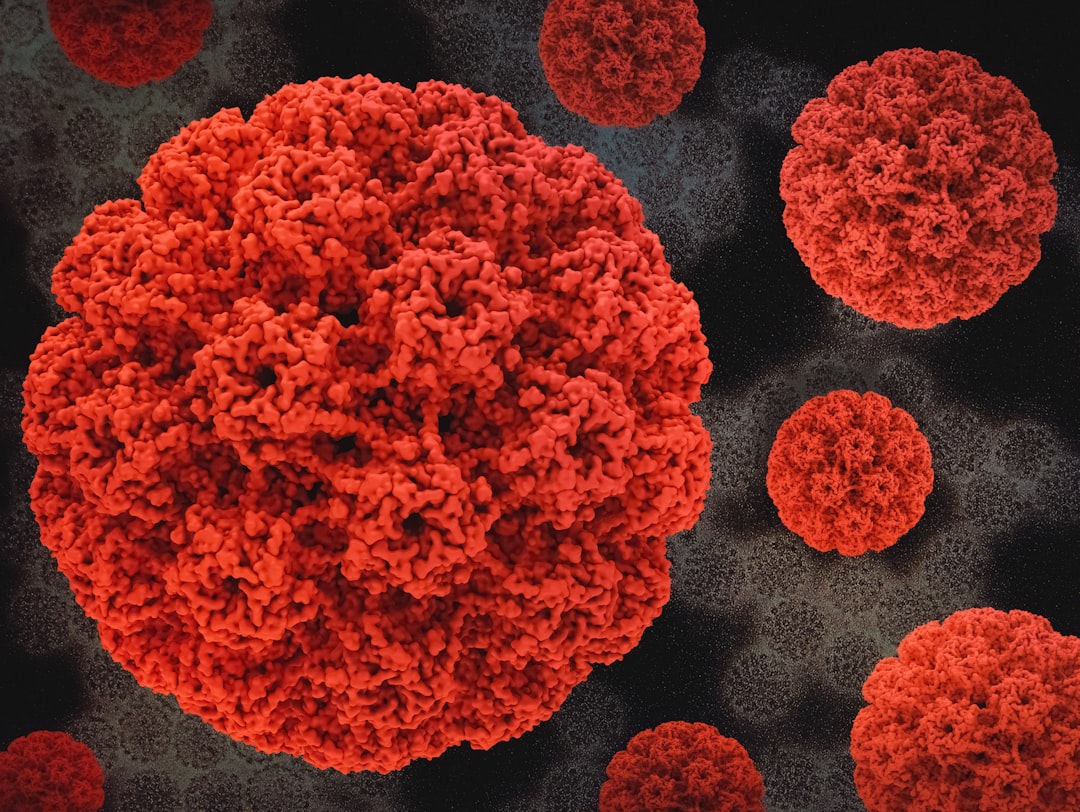
Photo by National Institute of Allergy and Infectious Diseases on Unsplash.
Medical Disclaimer: This article is AI-assisted and reviewed by the Vitalheros editorial team. It is provided for informational purposes only and is not a substitute for professional medical advice, diagnosis, or treatment. Always consult a qualified healthcare provider. Reviewed by The Vitalheros Editorial Team.