Precision and Purity: The Unsung Heroes of Medical Research
Some links in this article are affiliate links. As an Amazon Associate and partner of other programs, Vitalheros may earn a commission from qualifying purchases, at no extra cost to you. This never influences our editorial coverage.
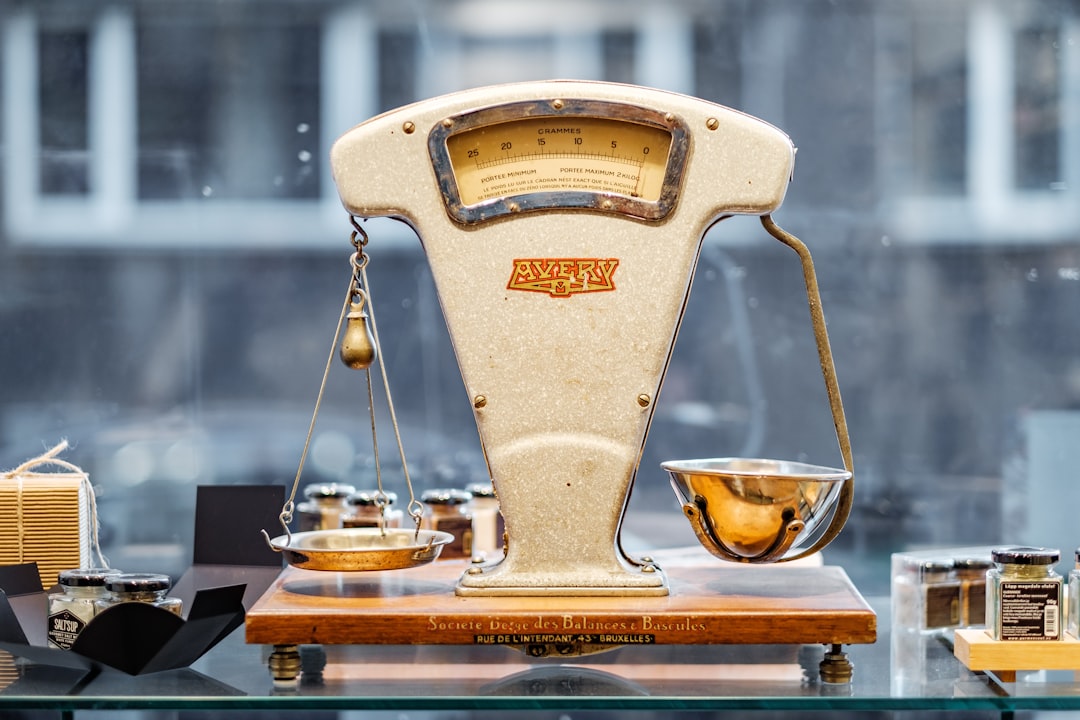
In the intricate world of medical research and drug development, every detail matters. From the initial synthesis of a novel compound to the final quality control of a life-saving medication, precision is not merely a desirable trait—it is an absolute necessity. At the heart of this meticulous process lies the often-overlooked but utterly critical act of weighing. Modern scientific advancements demand instrumentation that not only delivers extreme accuracy but also integrates seamlessly into complex digital ecosystems, all while adhering to stringent regulatory standards. This is the bedrock upon which reliable scientific discovery and patient safety are built.
The Critical Role of Exact Measurement in Health Innovation
Imagine a groundbreaking new therapy, meticulously designed to target a specific disease pathway. Its efficacy and safety hinge on precise formulations, where even minute deviations can have profound consequences. This is where high-precision weighing systems become indispensable. In pharmaceutical research, for instance, the exact quantity of active pharmaceutical ingredients (APIs) and excipients directly impacts the drug’s potency, stability, and bioavailability. Errors, however small, can lead to:
- Compromised Research Integrity: Inaccurate measurements can skew experimental results, leading to flawed conclusions and wasted resources in drug discovery and preclinical trials.
- Ineffective or Harmful Therapies: Incorrect dosages in drug manufacturing can render a medication ineffective or, worse, dangerously toxic to patients.
- Regulatory Setbacks: Non-compliance with measurement standards can halt clinical trials, delay drug approvals, and incur significant financial penalties.
The pursuit of longevity and improved health outcomes is fundamentally intertwined with the ability to measure with unwavering accuracy, ensuring that every component in a therapeutic agent or diagnostic test performs as intended.
Navigating the Regulatory Labyrinth: Compliance as a Cornerstone
The medical and pharmaceutical industries are among the most heavily regulated sectors globally, and for good reason. Public health and safety depend on rigorous oversight. This is where the concept of compliant weighing becomes paramount. Regulatory bodies like the U.S. Food and Drug Administration (FDA) and international counterparts mandate strict adherence to guidelines such as Good Laboratory Practices (GLP) and Good Manufacturing Practices (GMP).
Ensuring Data Integrity and Traceability
Compliant weighing systems are designed to meet these exacting standards, often incorporating features that ensure data integrity, audit trails, and secure electronic records (e.g., FDA 21 CFR Part 11). This means:
- Reliable Documentation: Every weighing event is recorded, often with timestamps, user IDs, and calibration data, creating an unalterable history.
- Reduced Human Error: Automated data capture minimizes the risk of transcription errors that can occur with manual record-keeping.
- Audit Readiness: Laboratories can easily provide comprehensive documentation during regulatory inspections, demonstrating adherence to quality standards.
Without such robust compliance mechanisms, the data generated in medical research would lack credibility, undermining the entire drug development process and delaying the availability of vital health solutions.
Seamless Integration: The Modern Laboratory’s Advantage
In today’s fast-paced research environment, efficiency is almost as critical as accuracy. Laboratories are increasingly complex ecosystems, relying on a multitude of instruments, software platforms, and data management systems. The ability of a precision weighing system to offer direct integration and scalable connectivity without extra software is a game-changer.
Optimizing Workflow and Data Flow
This capability means that weighing data can flow seamlessly from the instrument directly into a laboratory’s existing infrastructure, such as Laboratory Information Management Systems (LIMS) or Electronic Lab Notebooks (ELN). The benefits are manifold:
- Enhanced Efficiency: Eliminates manual data entry, saving valuable time for scientists and technicians, allowing them to focus on core research tasks.
- Minimized Errors: Direct digital transfer drastically reduces the chance of human transcription errors, improving the overall reliability of experimental data.
- Improved Data Accessibility: Data becomes instantly available across the network, facilitating real-time analysis, collaboration, and decision-making.
- Future-Proof Scalability: Systems that can connect and expand without requiring additional, complex software are easier to manage and adapt as a laboratory’s needs evolve, ensuring long-term utility and cost-effectiveness.
By streamlining data acquisition and management, integrated weighing solutions accelerate the pace of discovery, bringing promising new treatments closer to patients more quickly.
The Future of Health: Built on a Foundation of Precision
The journey from a scientific hypothesis to a marketable health intervention is arduous and complex. Every step, from initial compound screening to clinical trial execution and manufacturing, relies on a foundation of meticulously collected and managed data. Precision weighing systems, with their capacity for compliant operation, direct integration, and scalable connectivity, represent an essential component of this foundation.
The quiet, consistent work of high-precision instruments underpins the loudest breakthroughs in medicine, ensuring that the innovations we champion are not just visionary, but also rigorously sound and safe.
As we continue to push the boundaries of medical science and strive for longer, healthier lives, the unsung heroes of the laboratory—like advanced weighing technology—will remain critical. They ensure that the data driving our decisions is unimpeachable, the therapies we develop are reliable, and the future of health innovation is built on the most solid ground possible.
Explore more in our Digital Health coverage.
🔬 Scientific Takeaway
Advanced weighing systems are fundamental to medical research and drug development. Their ability to deliver compliant, high-precision measurements, integrate directly with laboratory data systems, and offer scalable connectivity without additional software is crucial for ensuring data integrity, accelerating research workflows, and ultimately enhancing patient safety and the efficacy of health interventions.
Sources & References
Photo by Piret Ilver on Unsplash.
Medical Disclaimer: This article is AI-assisted and reviewed by the Vitalheros editorial team. It is provided for informational purposes only and is not a substitute for professional medical advice, diagnosis, or treatment. Always consult a qualified healthcare provider. Reviewed by The Vitalheros Editorial Team.