Daily Steps & Less Sitting: Keys to a Healthier Pregnancy?

Some links in this article are affiliate links. As an Amazon Associate and partner of other programs, Vitalheros may earn a commission from qualifying purchases, at no extra cost to you. This never influences our editorial coverage.
For expectant mothers, the journey of pregnancy is a time of profound change and careful consideration for both their own health and that of their developing baby. While the importance of nutrition and prenatal care is widely understood, the role of physical activity, particularly daily movement and reducing sedentary habits, is gaining increasing scientific attention.
Emerging research is shedding light on a compelling association: that consistent daily steps and actively minimizing prolonged periods of sitting may contribute significantly to healthier pregnancies. This insight reinforces what many health professionals advocate – that even moderate, consistent activity can yield substantial benefits during this critical period.
The Science of Movement in Pregnancy
Physical activity during pregnancy isn’t just about maintaining fitness; it’s about optimizing physiological processes that directly impact maternal and fetal health. Historically, there was caution around exercise during pregnancy, but modern understanding, supported by robust research, strongly encourages most expectant mothers to remain active.
The current guidelines from major health organizations typically recommend at least 150 minutes of moderate-intensity aerobic activity per week for pregnant individuals without contraindications. This can include brisk walking, swimming, or cycling. However, the latest findings suggest that even more granular aspects of daily movement – like cumulative steps and reducing sedentary time – play a crucial, perhaps underestimated, role.
Understanding the Research on Steps and Sitting
Recent investigations have focused on how everyday activity patterns, beyond structured exercise, correlate with pregnancy outcomes. These studies often leverage wearable technology to provide a more accurate picture of a person’s movement habits throughout the day. The consistent thread emerging from this research is that women who accumulate more daily steps and spend less time sitting tend to experience more favorable pregnancy profiles.
While specific study details vary, the overarching message is clear: a more active lifestyle, characterized by frequent movement rather than prolonged inactivity, appears linked to a reduced risk of various pregnancy complications. These benefits are thought to stem from several physiological improvements:
- Improved Glucose Metabolism: Regular movement helps the body use insulin more effectively, which can be vital in preventing or managing gestational diabetes, a condition where blood sugar levels become too high during pregnancy.
- Better Cardiovascular Health: Physical activity supports healthy blood pressure and circulation, potentially lowering the risk of conditions like preeclampsia, a serious complication characterized by high blood pressure and organ damage.
- Healthy Weight Management: Maintaining an appropriate weight gain during pregnancy is crucial. Consistent movement aids in energy balance, helping to prevent excessive gestational weight gain, which is associated with higher risks for both mother and baby.
- Enhanced Mental Well-being: Beyond physical benefits, activity is a known mood booster, helping to alleviate stress, anxiety, and symptoms of depression, which can be particularly prevalent during pregnancy.
It’s important to note that these studies highlight an association, meaning that daily steps and less sitting are observed alongside healthier pregnancies. While this strongly suggests a beneficial connection, it doesn’t always imply direct causation in every individual case. However, the consistent nature of these findings across different populations strengthens the argument for integrating more movement into daily life during pregnancy.
Translating Findings into Action: Practical Strategies
For many expectant mothers, the idea of adding more to their already busy lives can feel daunting. The good news is that the research often emphasizes cumulative movement, meaning small, consistent efforts can add up to significant benefits.
Beyond the Step Count: Reducing Sedentary Time
While aiming for a certain number of steps is a tangible goal, the equally important message is to break up periods of sitting. Our bodies are designed for movement, and prolonged inactivity can have detrimental effects on metabolism and circulation. Consider these strategies:
- Stand Up Regularly: If you have a desk job, set a timer to stand up and move around for 5-10 minutes every hour. Walk to get a glass of water, stretch, or do a few gentle squats.
- Active Breaks: Instead of sitting during your lunch break, take a short walk outside. If you’re watching TV, get up during commercials to do some light stretching.
- Incorporate Movement into Chores: Everyday tasks like gardening, light housework, or walking the dog contribute to your overall activity level.
Personalizing Your Activity Plan
Every pregnancy is unique, and what works for one person may not work for another. The key is to listen to your body and consult with your healthcare provider before starting or significantly changing any exercise regimen.
Always consult your doctor or midwife before beginning any new exercise program during pregnancy, especially if you have pre-existing conditions or experience any discomfort.
For most healthy pregnancies, safe and effective ways to increase daily movement include:
- Brisk Walking: This is often the most accessible and recommended form of exercise. Aim for a pace where you can talk but not sing.
- Swimming or Water Aerobics: The buoyancy of water can relieve pressure on joints and help manage swelling.
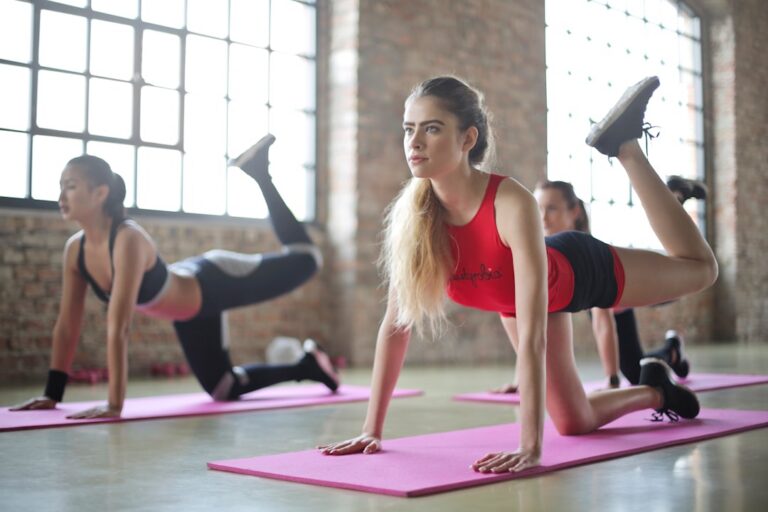
- Prenatal Yoga or Pilates: These practices can improve flexibility, strength, and balance, and often include breathing techniques beneficial for labor.
- Cycling (Stationary): A stationary bike offers a safe, low-impact cardio workout without the risk of falls.
Start slowly and gradually increase your activity level. Pay attention to signs from your body, such as overheating, dizziness, or pain, and stop if you experience any discomfort. Hydration is also paramount when engaging in physical activity.
A Holistic Approach to Maternal Health
The message from the latest research is clear: embracing a more active lifestyle, marked by consistent daily movement and a conscious effort to reduce prolonged sitting, is a valuable component of a healthy pregnancy. It complements proper nutrition, adequate rest, and regular prenatal care to create the best possible environment for both mother and baby.
By making small, sustainable changes to daily habits, expectant mothers can empower themselves to navigate the journey of pregnancy with greater vitality and contribute positively to their overall well-being and the health of their child.
Explore more in our Digital Health coverage.
🔬 Scientific Takeaway
Emerging research indicates a significant association between increased daily physical activity, particularly more steps and reduced sedentary time, and healthier pregnancy outcomes. These lifestyle choices are linked to improved glucose metabolism, better cardiovascular health, and healthy weight management during gestation. Expectant mothers are encouraged to integrate consistent, moderate movement into their daily routines, always in consultation with their healthcare provider.
Sources & References
Photo by Ryan Franco on Unsplash.
Medical Disclaimer: This article is AI-assisted and reviewed by the Vitalheros editorial team. It is provided for informational purposes only and is not a substitute for professional medical advice, diagnosis, or treatment. Always consult a qualified healthcare provider. Reviewed by The Vitalheros Editorial Team.