Generative AI Toys: Protecting Children from Digital Misinformation
Some links in this article are affiliate links. As an Amazon Associate and partner of other programs, Vitalheros may earn a commission from qualifying purchases, at no extra cost to you. This never influences our editorial coverage.
The landscape of childhood play is rapidly evolving, with generative artificial intelligence (AI) stepping out of research labs and into living rooms. From interactive companions that tell stories to educational tools that adapt to a child’s learning pace, AI-powered toys promise a new era of engagement. Yet, as with any powerful technology, these innovations come with inherent challenges, particularly concerning the vulnerability of young minds to misinformation and potentially harmful narratives.
As these sophisticated AI companions become more prevalent, understanding their capabilities and limitations, especially regarding content generation, is paramount. The very nature of generative AI – its ability to create novel text, images, or audio based on vast datasets – introduces a complex layer of risk that parents, educators, and policymakers must confront.
The Dual Nature of AI Companions for Children
Generative AI toys are not merely pre-programmed devices; they are designed to interact dynamically, learn from conversations, and produce unique responses. This capacity holds immense potential for personalized learning and creative play, but it also opens avenues for unintended or even malicious content exposure.
Educational and Developmental Potential
- Personalized Learning: AI can adapt to a child’s individual learning style and pace, offering tailored educational content and challenges.
- Enhanced Creativity: Tools that generate stories, music, or art can stimulate imagination and provide new outlets for self-expression.
- Social-Emotional Development: Interactive AI companions could potentially help children practice social skills, empathy, and communication in a safe environment.
The Unseen Risks: Shifting from Benign Interaction to Harmful Exposure
Despite these benefits, the core concern lies in the AI’s output. Unlike traditional media, which undergoes editorial review, generative AI’s responses are often produced in real-time based on complex algorithms and the data it was trained on. This process, while seemingly seamless, can inadvertently lead to the dissemination of inaccurate, biased, or even propagandistic content.
“The dynamic and often unpredictable nature of generative AI means that what starts as an innocent query could lead to an encounter with content not suitable for children, or worse, content designed to subtly influence their perceptions.”
Understanding the Vulnerability of Young Minds
Children are not miniature adults; their cognitive and emotional frameworks are still under construction. This developmental stage makes them particularly susceptible to certain types of information and influence.
Cognitive Development and Critical Thinking
Young children are still developing the critical thinking skills necessary to discern fact from fiction, especially when confronted with information presented by what they perceive as a credible, interactive entity. They may lack the life experience or the cognitive tools to question the veracity of an AI’s statement or to identify underlying biases.
Trust and Authority in AI Interactions
Many children readily form bonds with their toys and digital companions. An AI that speaks, responds, and appears knowledgeable can quickly gain a child’s trust. If this trusted source then presents biased information or subtly pushes a particular viewpoint, a child may absorb it without question, internalizing it as truth.
Pathways to Propaganda and Misinformation
The risks are not always about overtly malicious content; they can be far more subtle, woven into the fabric of the AI’s responses.
Algorithmic Bias and Data Gaps
Generative AI models are trained on massive datasets, often scraped from the internet. These datasets inherently reflect the biases, stereotypes, and inaccuracies present in human-generated content. If an AI is trained on data that contains prejudiced views or skewed historical accounts, it can inadvertently reproduce and amplify these biases in its interactions with children.
Malicious Manipulation and ‘Prompt Engineering’
While toy manufacturers strive for ethical AI, the possibility of deliberate manipulation cannot be ignored. Sophisticated users, or even bad actors, could potentially ‘prompt engineer’ an AI to generate specific narratives, subtly promoting certain ideologies, products, or political viewpoints. Even if the toy’s primary purpose is benign, its generative capabilities could be exploited.
Unintended Consequences: AI Hallucinations
Generative AI models are known to sometimes ‘hallucinate’ – meaning they produce outputs that are plausible but entirely false or nonsensical, presenting them as factual. For an adult, these might be amusing or easily dismissed, but for a child, a confidently stated fabrication from an AI toy could be accepted as truth, leading to misconceptions.
The Broader Societal Impact
The widespread adoption of generative AI toys without adequate safeguards could have profound long-term implications for society.
Erosion of Critical Thinking and Media Literacy
If children grow up constantly interacting with AI that may inadvertently or subtly spread misinformation, their ability to develop strong critical thinking and media literacy skills could be hampered. A generation less equipped to evaluate information critically could be more vulnerable to future manipulation.
The Parental Dilemma: Balancing Benefits with Safety
Parents face a difficult balancing act. They want their children to benefit from technological advancements and educational tools, but also need assurance that these tools are safe. The opacity of AI’s internal workings makes it challenging for parents to assess the risks effectively or to monitor every interaction their child has with an AI toy.
Navigating the Future: Safeguarding Children in the AI Era
Addressing these challenges requires a multi-faceted approach involving technology developers, regulators, educators, and parents.
Regulatory Frameworks and Ethical Guidelines
Governments and international bodies need to establish clear regulations and ethical guidelines for AI development, particularly for products aimed at minors. These frameworks should mandate transparency, accountability, and robust safety testing for generative AI content.
Technological Solutions and Ethical AI Design
- Advanced Content Filtering: Developers must integrate sophisticated, real-time content filters specifically designed to detect and block propaganda, hate speech, and misinformation.
- Explainable AI: Where possible, AI systems should be designed to offer some level of explainability, allowing parents or educators to understand why certain responses were generated.
- ‘Guardrails’ and Safety Prompts: Building in explicit ‘guardrails’ that prevent the AI from engaging with sensitive or potentially harmful topics is crucial.
- Diverse Training Data: Efforts to curate more diverse, unbiased, and fact-checked training datasets can reduce the likelihood of the AI generating biased or inaccurate content.
Media Literacy Education for All Ages
Equipping children with strong media literacy skills from a young age is more vital than ever. Education should focus on:
- Understanding how AI works at a basic level.
- Developing critical thinking skills to question information, regardless of its source.
- Recognizing bias and propaganda in various forms.
- Encouraging open dialogue between children and parents about digital interactions.
Parents also need resources and education to understand the capabilities and risks of AI toys, enabling them to make informed decisions and guide their children effectively.
Conclusion
Generative AI toys represent a frontier of innovation with immense potential to enrich children’s lives. However, this potential must be tempered with a rigorous commitment to safety and ethical design. By proactively addressing the risks of propaganda and misinformation, and by fostering a collaborative environment among developers, regulators, and families, we can harness the power of AI to create truly beneficial and secure experiences for the next generation.
Explore more in our Digital Health coverage.
🔬 Scientific Takeaway
Generative AI toys, while offering potential benefits for learning and development, pose significant risks of exposing children to propaganda and misinformation due to their dynamic content generation. Children's developing critical thinking skills and tendency to trust interactive companions make them uniquely vulnerable. Safeguarding requires robust ethical AI design, comprehensive content filtering, clear regulatory frameworks, and enhanced media literacy education for both children and parents.
Sources & References
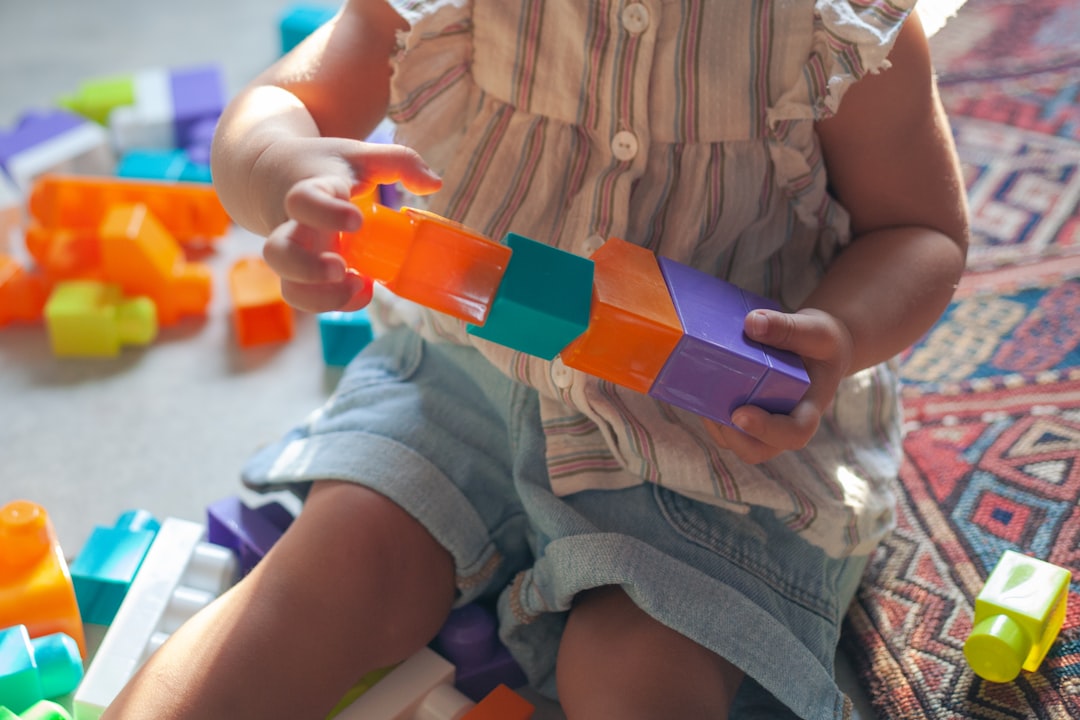
Photo by Ana Klipper on Unsplash.
Medical Disclaimer: This article is AI-assisted and reviewed by the Vitalheros editorial team. It is provided for informational purposes only and is not a substitute for professional medical advice, diagnosis, or treatment. Always consult a qualified healthcare provider. Reviewed by The Vitalheros Editorial Team.