Viral DNA Blood Test Offers New Hope for Tracking Cancer Recovery
Some links in this article are affiliate links. As an Amazon Associate and partner of other programs, Vitalheros may earn a commission from qualifying purchases, at no extra cost to you. This never influences our editorial coverage.
In the complex landscape of cancer care, the period following surgery is often fraught with anxiety. While a tumor may be surgically removed, the lingering question of whether all cancer cells have been eradicated, or if the disease might return, remains a significant concern for both patients and clinicians. Traditional monitoring methods, primarily imaging scans, often detect recurrence only after it has become substantial. However, a new frontier in diagnostics, leveraging the presence of viral DNA in the bloodstream, is emerging as a powerful tool to more accurately gauge post-surgical recovery success and potentially transform how cancer recurrence is detected and managed.
The Persistent Challenge of Post-Surgical Cancer Surveillance
For many cancer types, surgical resection offers the best chance for a cure. Yet, microscopic residual disease—cancer cells too small to be seen by the naked eye or conventional imaging—can persist, leading to recurrence. Detecting these elusive cells early is paramount. Current surveillance typically involves periodic imaging (CT, MRI, PET scans) and tumor marker blood tests. While valuable, these methods have limitations:
- Late Detection: Imaging often identifies recurrence only when tumors have grown to a detectable size, potentially delaying intervention.
- Radiation Exposure: Frequent imaging involves cumulative radiation exposure.
- Invasive Biopsies: Confirming suspected recurrence often requires invasive biopsies.
- Non-Specificity: Some tumor markers lack the specificity to definitively indicate recurrence.
The quest for a more sensitive, non-invasive, and timely method to monitor patients after surgery has driven significant innovation, leading to the development of liquid biopsies, particularly those focused on circulating tumor DNA (ctDNA).
Understanding Circulating Tumor DNA (ctDNA) and Liquid Biopsies
Our bodies are constantly shedding DNA into the bloodstream from various cells, including healthy ones. In cancer patients, tumor cells also release fragments of their DNA into circulation. This is known as circulating tumor DNA (ctDNA). Unlike DNA from healthy cells, ctDNA often carries specific genetic mutations or alterations characteristic of the tumor it originated from.
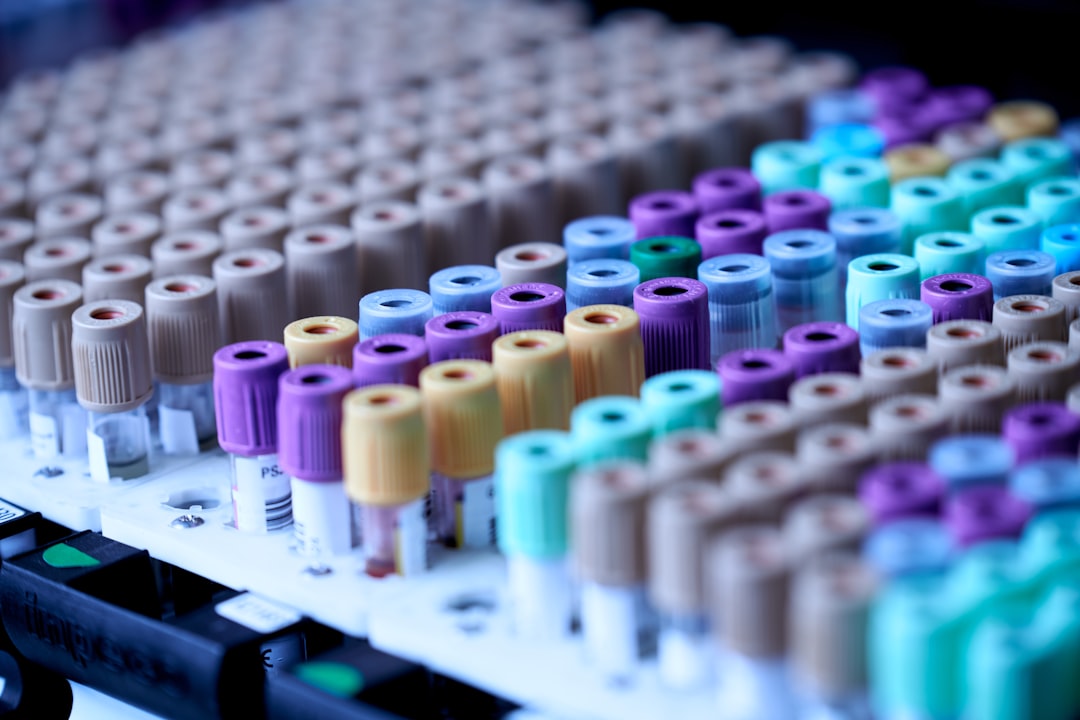
A liquid biopsy is a non-invasive blood test designed to detect and analyze these ctDNA fragments. By drawing a simple blood sample, clinicians can potentially gain insights into the genetic makeup of a patient’s tumor, monitor its evolution, and, crucially, detect its presence even when the tumor burden is minimal. This technology represents a paradigm shift from traditional tissue biopsies, offering several advantages:
- Non-Invasiveness: A simple blood draw replaces potentially painful and risky tissue biopsies.
- Real-Time Monitoring: Blood samples can be taken more frequently, providing a dynamic picture of the disease.
- Comprehensive View: ctDNA can represent the entire tumor landscape, including metastatic sites, which might be missed by a single tissue biopsy.
The Specific Role of Viral DNA in Cancer Monitoring
While many liquid biopsies focus on mutations in human ctDNA, certain cancers are strongly associated with specific viral infections. For these cancers, the viral DNA itself can serve as a highly specific and sensitive biomarker. Examples include:
- Human Papillomavirus (HPV): Associated with cervical, anal, and a significant proportion of head and neck cancers (oropharyngeal squamous cell carcinoma).
- Epstein-Barr Virus (EBV): Linked to nasopharyngeal carcinoma, certain lymphomas, and gastric cancers.
- Hepatitis B Virus (HBV) and Hepatitis C Virus (HCV): Major drivers of hepatocellular carcinoma (liver cancer).
In patients with these virus-associated cancers, tumor cells often integrate viral DNA into their genome or maintain high levels of viral DNA within the tumor. When these tumor cells die and shed their contents, fragments of this tumor-specific viral DNA can be released into the bloodstream. A ‘viral DNA blood test’ specifically targets and quantifies these viral DNA fragments, acting as a highly precise indicator of tumor presence and activity.
How Viral DNA Tests Enhance Post-Surgical Monitoring
The utility of tracking tumor-associated viral DNA post-surgery lies in its exceptional specificity. Unlike human ctDNA, which can sometimes be hard to distinguish from normal DNA fragments, viral DNA markers are uniquely foreign to human cells (unless they are part of the tumor). This makes them incredibly powerful for:
- Detecting Minimal Residual Disease (MRD): Even tiny amounts of residual cancer cells can shed viral DNA, allowing for detection long before a tumor grows large enough to be visible on imaging.
- Early Recurrence Detection: Increases the likelihood of identifying recurrence at its earliest, most treatable stage.
- Monitoring Treatment Response: A decrease in circulating viral DNA can indicate effective treatment, while an increase might signal resistance or progression.
- Guiding Adjuvant Therapy: Identifying patients with MRD could help tailor decisions about additional (adjuvant) therapies, such as chemotherapy or radiation, after surgery.
Potential Impact on Patient Care
The accurate gauging of post-surgery recovery success through viral DNA blood tests has profound implications:
- Personalized Treatment Strategies: By identifying patients with MRD, clinicians can personalize follow-up care, potentially escalating treatment for those at high risk of recurrence or de-escalating for those who show no signs of disease.
- Reduced Treatment Burden: Avoiding unnecessary adjuvant therapies for patients truly cured by surgery can spare them from toxic side effects and improve quality of life.
- Improved Survival Outcomes: Early detection of recurrence allows for timely intervention, which is often associated with better prognoses.
- Reduced Anxiety: For patients, a clear indication of no residual disease can offer significant peace of mind.
Challenges and Future Directions
While promising, the widespread clinical adoption of viral DNA blood tests for cancer monitoring still faces hurdles:
- Cancer-Specific Application: These tests are only applicable to cancers where a clear viral etiology has been established and where viral DNA is consistently shed by tumor cells. This limits their use compared to broader ctDNA tests that look for human mutations.
- Standardization and Validation: Robust clinical trials are needed to standardize testing protocols and validate their accuracy and utility across diverse patient populations and cancer stages.
- Integration into Clinical Workflows: Establishing clear guidelines for when and how these tests should be used in routine clinical practice is essential.
- Cost-Effectiveness: Ensuring these advanced diagnostics are accessible and affordable will be crucial for equitable patient care.
The ongoing research and refinement of these viral DNA blood tests, alongside other liquid biopsy technologies, are rapidly moving towards addressing these challenges. As our understanding of tumor biology and diagnostic technologies advances, such tests are poised to become an indispensable component of precision oncology.
A New Era of Precision Surveillance
The development of viral DNA blood tests represents a significant leap forward in cancer surveillance. By offering a highly sensitive and specific method to detect minimal residual disease and early recurrence post-surgery, these tests hold the potential to revolutionize how we monitor patients, personalize treatment decisions, and ultimately improve outcomes for those battling virus-associated cancers. As research continues to mature, these innovative liquid biopsies promise a future where cancer recovery is not just hoped for, but accurately and proactively confirmed.
Explore more in our Digital Health coverage.
🔬 Scientific Takeaway
A viral DNA blood test accurately assesses post-surgical cancer recovery by detecting minimal residual disease (MRD) through circulating tumor-associated viral DNA. This non-invasive liquid biopsy offers a highly specific and sensitive method for early recurrence detection and personalized treatment guidance, particularly for virus-associated cancers. While highly promising, further validation and integration into clinical practice are necessary for broader adoption.
Sources & References
Photo by Testalize.me on Unsplash.
Medical Disclaimer: This article is AI-assisted and reviewed by the Vitalheros editorial team. It is provided for informational purposes only and is not a substitute for professional medical advice, diagnosis, or treatment. Always consult a qualified healthcare provider. Reviewed by The Vitalheros Editorial Team.