
The Vital Role of Grandparents in Children’s Mental Well-being
Some links in this article are affiliate links. As an Amazon Associate and partner of other programs, Vitalheros may earn a commission from qualifying purchases, at no extra cost to you. This never influences our editorial coverage.
In an era marked by increasing focus on mental health, particularly among younger generations, the search for effective support systems is more critical than ever. While parents, educators, and mental health professionals form the primary lines of defense, a powerful, often underestimated resource exists within the family unit itself: grandparents.
These seasoned family members offer a unique blend of experience, time, and unconditional affection that can serve as a potent buffer against the stresses children face, fostering resilience and emotional stability. Their involvement can be a cornerstone in building a robust foundation for a child’s mental well-being.
The Evolving Landscape of Childhood Mental Health
Childhood today presents a distinct set of challenges. From the pressures of academic achievement and social dynamics to the pervasive influence of digital media and global uncertainties, young people navigate a complex world. This environment has contributed to a notable rise in anxiety, depression, and other mental health concerns among children and adolescents.
Recognizing this trend, experts and families are seeking holistic approaches to support children. While professional intervention is vital for clinical conditions, everyday resilience and emotional health are nurtured within a child’s immediate environment. This is where the extended family, particularly grandparents, can step in to provide invaluable, often subtle, support.
Grandparents: A Unique Pillar of Support
Grandparents occupy a distinct position within the family structure. Unlike parents, whose roles often involve direct discipline and daily management, grandparents can offer a different dynamic—one often characterized by less pressure and more pure enjoyment. This allows them to forge bonds that are deeply supportive and emotionally enriching.
Emotional Anchor and Stability
For children, grandparents can represent a safe harbor, a consistent presence in an often-changing world. Their homes can be places of comfort, free from some of the everyday stresses of their immediate household. This stability is crucial for emotional development, providing a sense of security that helps children feel loved, valued, and understood. They offer a distinct brand of unconditional support, often acting as a confidant and a non-judgmental listener, which can be incredibly therapeutic for a child grappling with difficult emotions or experiences.
Passing Down Wisdom and Resilience
Grandparents carry a wealth of life experience. They have navigated their own challenges, witnessed societal shifts, and developed coping mechanisms over decades. Sharing stories, imparting practical skills, or simply modeling patience and perspective can teach children invaluable lessons in resilience, problem-solving, and emotional regulation. These intergenerational exchanges help children understand that difficulties are a normal part of life and that they possess the inner strength to overcome them.
Fostering a Sense of Belonging and Identity
Through shared stories, family traditions, and cultural practices, grandparents connect children to their heritage. This connection fosters a strong sense of identity and belonging, which are fundamental components of mental health. Understanding where they come from, who their family is, and the values that have been passed down can give children a deep-seated sense of purpose and roots, helping them navigate the world with greater confidence.
Practical Support and Parental Relief
Beyond emotional contributions, grandparents often provide practical assistance, such as childcare, help with school activities, or simply being present. While seemingly mundane, this support can significantly reduce parental stress, creating a calmer household environment. When parents are less stressed, they are often better equipped to respond to their children’s emotional needs, indirectly benefiting the child’s mental health.
The Two-Way Street: Benefits for Grandparents Too
The benefits of this intergenerational connection are not one-sided. For grandparents, active involvement in their grandchildren’s lives can provide a renewed sense of purpose, combating feelings of isolation and promoting cognitive engagement. The joy and energy children bring can be invigorating, contributing to the grandparents’ own physical and mental well-being and fostering a sense of continued relevance and contribution to the family.
Navigating the Intergenerational Dynamic
While the potential for positive impact is immense, successful grandparent involvement often hinges on clear communication and mutual respect between all adult family members.
Respecting Parental Authority
It is essential for grandparents to respect the parenting decisions and boundaries set by the child’s parents. This ensures consistency for the child and maintains harmony within the family unit. Grandparents should aim to be a supportive ally, not an alternative authority.
Open Communication
Regular, open conversations between parents and grandparents about expectations, roles, and the child’s specific needs can prevent misunderstandings and foster a collaborative approach to raising mentally healthy children. This includes discussing concerns a child might be experiencing and how best to collectively support them.
Prioritizing the Child’s Needs
Ultimately, the goal is to create an environment that best supports the child’s development. When all adults in a child’s life work together, prioritizing the child’s emotional and psychological needs, the child reaps the greatest benefits.
Beyond the Nuclear Family: A Broader View of Support
The emphasis on the nuclear family in modern society sometimes overshadows the profound importance of extended family. Grandparents represent a vital resource in a comprehensive approach to child development and mental health. Their involvement doesn’t replace the need for parental guidance or, when necessary, professional help, but rather augments these efforts, creating a richer, more resilient support network for children.
Grandparents are not just relatives; they are a bridge to the past, a source of wisdom, and a profound wellspring of unconditional love that can significantly fortify a child’s mental and emotional landscape.
As we continue to navigate the complexities of modern life, recognizing and nurturing the unique contributions of grandparents can be a powerful step toward fostering stronger, more resilient generations.
Explore more in our Digital Health coverage.
🔬 Scientific Takeaway
Grandparents offer a unique and valuable layer of support for children's mental well-being, providing emotional stability, a sense of belonging, and practical wisdom. Their involvement can serve as a buffer against childhood stressors and contribute to resilience, while also benefiting the grandparents themselves through increased purpose and connection. Effective intergenerational dynamics rely on open communication and respect for parental boundaries to ensure a cohesive support system for the child.
Sources & References
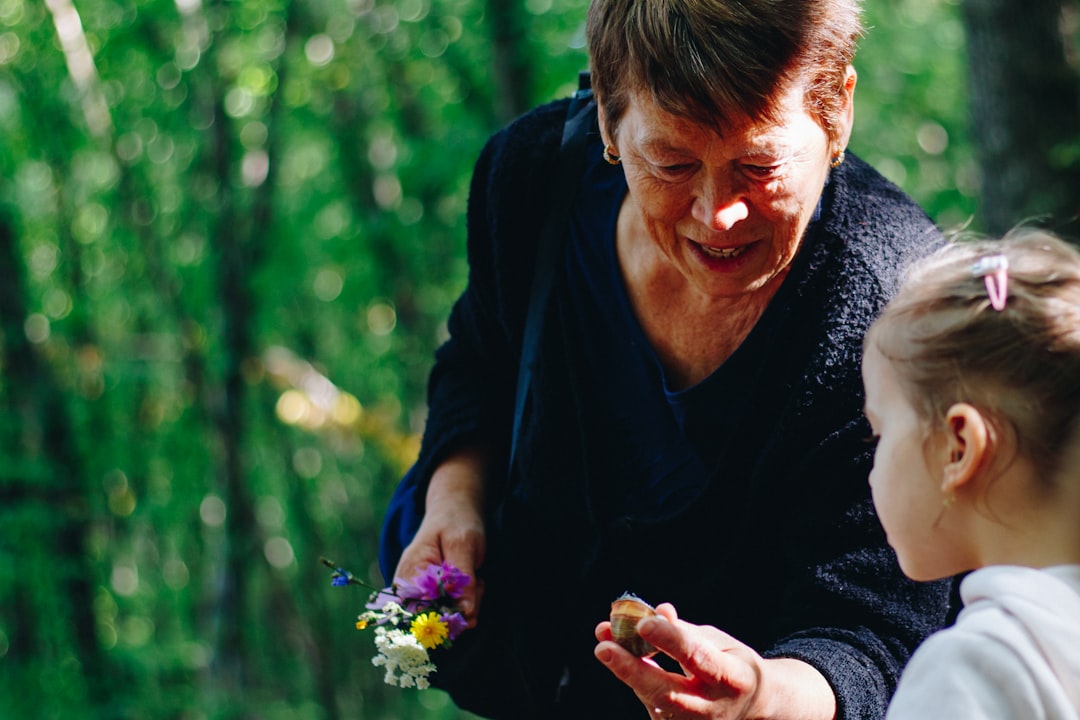
Photo by Sergiu Vălenaș on Unsplash.
Medical Disclaimer: This article is AI-assisted and reviewed by the Vitalheros editorial team. It is provided for informational purposes only and is not a substitute for professional medical advice, diagnosis, or treatment. Always consult a qualified healthcare provider. Reviewed by The Vitalheros Editorial Team.