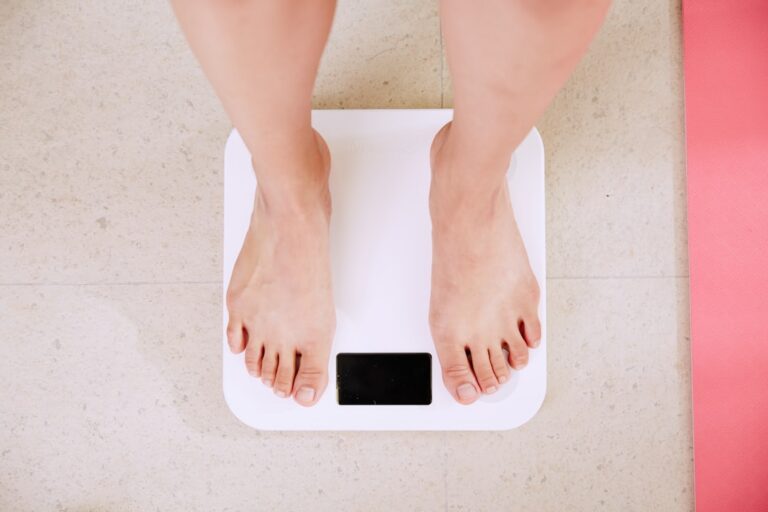
GLP-1 Medications and Movement: Unpacking the Activity Paradox

Some links in this article are affiliate links. As an Amazon Associate and partner of other programs, Vitalheros may earn a commission from qualifying purchases, at no extra cost to you. This never influences our editorial coverage.
In recent years, a new class of medications, known as GLP-1 receptor agonists, has revolutionized the landscape of weight management. Drugs like Ozempic, Wegovy, Mounjaro, and Zepbound have demonstrated remarkable efficacy in helping individuals achieve significant weight loss, offering a new beacon of hope for many grappling with obesity and its associated health challenges. However, as with any powerful intervention, a deeper understanding of its broader effects is crucial for long-term health and well-being.
A growing body of observation, including recent analyses of real-world activity data, suggests an intriguing, perhaps counterintuitive, trend: while these medications are highly effective at shedding pounds, they may also be associated with a decrease in daily physical activity levels. This insight prompts a vital discussion about how we can optimize the benefits of these drugs while safeguarding crucial aspects of metabolic health and physical function.
The Unexpected Dip in Daily Movement
The success of GLP-1 medications in promoting weight loss is well-documented. By mimicking a natural hormone, these drugs help regulate appetite, slow gastric emptying, and improve insulin sensitivity, leading to reduced calorie intake and subsequent weight reduction. Yet, a closer look at behavioral patterns among individuals using these medications reveals a nuanced picture.
Researchers analyzing data from wearable fitness trackers, such as Fitbit devices, have observed a noticeable reduction in physical activity after individuals begin GLP-1 therapies. This includes a decline in daily step counts and overall structured exercise levels. This finding is particularly noteworthy because it occurs even as patients are successfully losing weight, a process often assumed to energize individuals and encourage more movement.
Connecting the Dots: Why Less Movement?
The precise reasons behind this observed decrease in activity are still being explored. It’s plausible that the profound changes in appetite and satiety brought about by GLP-1 drugs might influence energy levels and motivation for physical exertion. When hunger cues are significantly dampened, and food-seeking behaviors are reduced, the body’s overall drive might shift, potentially leading to less spontaneous or planned activity.
Another factor could be the metabolic adaptations that occur during rapid weight loss. While a leaner body might theoretically require less energy to move, the body also adapts to conserve energy, especially when calorie intake is restricted. This physiological response could manifest as reduced perceived energy or a lower inclination to engage in demanding physical tasks.
The Critical Importance of Preserving Muscle Mass
The observation of reduced physical activity, alongside weight loss induced by GLP-1 medications, raises an important consideration: the composition of that lost weight. When individuals lose weight, they typically shed both fat mass and some amount of lean muscle mass. This is a common phenomenon in nearly all weight loss strategies, but the extent can vary.
GLP-1 drugs, while highly effective at reducing fat, are not immune to this effect; they can contribute to a loss of muscle mass alongside fat. When this physiological muscle loss is compounded by a decrease in physical activity, it creates a potential concern for long-term strength, metabolic health, and overall longevity.
The Muscle-Metabolism Connection
Muscle tissue is far more than just what helps us move; it is a metabolically active organ critical for numerous bodily functions. It plays a pivotal role in glucose regulation, acting as a primary site for glucose uptake and storage. Preserving muscle mass is therefore essential for maintaining healthy blood sugar levels, reducing the risk of insulin resistance, and supporting overall metabolic resilience.
Furthermore, muscle mass is a key determinant of basal metabolic rate (BMR), the number of calories your body burns at rest. A significant loss of muscle can slow metabolism, making it harder to maintain weight loss in the long run and potentially contributing to weight regain if lifestyle habits aren’t adjusted.
Strength, Function, and Longevity
Beyond metabolism, adequate muscle mass and strength are fundamental for functional independence, particularly as we age. Strong muscles support balance, reduce the risk of falls, and enable us to perform daily activities with ease. A decline in strength and muscle mass, a condition known as sarcopenia, is associated with increased frailty, reduced quality of life, and a higher risk of mortality.
For individuals embarking on a weight loss journey with GLP-1 medications, the goal extends beyond merely seeing a lower number on the scale. It encompasses improving overall health, vitality, and functional capacity for years to come. Actively working to preserve and build muscle mass becomes an even more critical component of this holistic health strategy.
Strategies for Maintaining Activity While on GLP-1s
The insights from activity data do not diminish the value of GLP-1 medications; rather, they highlight the importance of integrating a comprehensive approach to health. For those using or considering these drugs, prioritizing physical activity, especially resistance training, is paramount.
Integrating Movement into Daily Life
- Mindful Movement: Even if overall energy feels lower, consciously seek opportunities to move. Take short walks, use stairs, or stand more often.
- Set Realistic Goals: Start with achievable activity targets and gradually increase intensity or duration. Consistency is more important than sporadic, intense bursts.
- Track Your Progress: Continue using wearable devices to monitor activity. This can provide valuable feedback and motivation.
Prioritizing Strength Training
Resistance training is arguably the most effective strategy for preserving and building muscle mass during weight loss. It signals to the body that muscle tissue is valuable and needed, encouraging its retention even in a caloric deficit.
- Incorporate Weights: This could involve free weights, resistance bands, weight machines, or even bodyweight exercises.
- Aim for Consistency: Two to three full-body strength training sessions per week are generally recommended for muscle maintenance and growth.
- Seek Guidance: Consulting with a qualified fitness professional can help you develop a safe and effective strength training program tailored to your individual needs and current fitness level.
Remember, any exercise regimen should be discussed with your healthcare provider, especially when you are undergoing significant physiological changes due to medication.
A Holistic Path Forward
GLP-1 medications represent a significant advance in the treatment of obesity and related conditions. However, their optimal use involves more than just prescription. A truly holistic approach integrates medical therapy with essential lifestyle components: a nutrient-dense diet, adequate sleep, stress management, and, critically, consistent physical activity. By understanding the potential impact on activity levels and proactively addressing muscle preservation, individuals can maximize the long-term health benefits of these powerful drugs and forge a path toward sustained well-being and vitality.
Explore more in our Nutrition & Performance coverage.
🔬 Scientific Takeaway
Recent analyses of activity data suggest individuals taking GLP-1 receptor agonists for weight loss may experience a decrease in daily physical activity, including step counts and exercise levels, despite successful weight reduction. Given that these medications can contribute to muscle mass loss alongside fat, the observed decline in activity raises concerns about preserving strength and long-term metabolic health. A comprehensive approach integrating GLP-1 therapy with targeted physical activity, especially resistance training, is crucial to optimize health outcomes and maintain muscle mass.
Sources & References
Photo by Jonathan Borba on Unsplash.
Medical Disclaimer: This article is AI-assisted and reviewed by the Vitalheros editorial team. It is provided for informational purposes only and is not a substitute for professional medical advice, diagnosis, or treatment. Always consult a qualified healthcare provider. Reviewed by The Vitalheros Editorial Team.