Microglial States: Unlocking Brain Resilience Against Alzheimer’s

Some links in this article are affiliate links. As an Amazon Associate and partner of other programs, Vitalheros may earn a commission from qualifying purchases, at no extra cost to you. This never influences our editorial coverage.
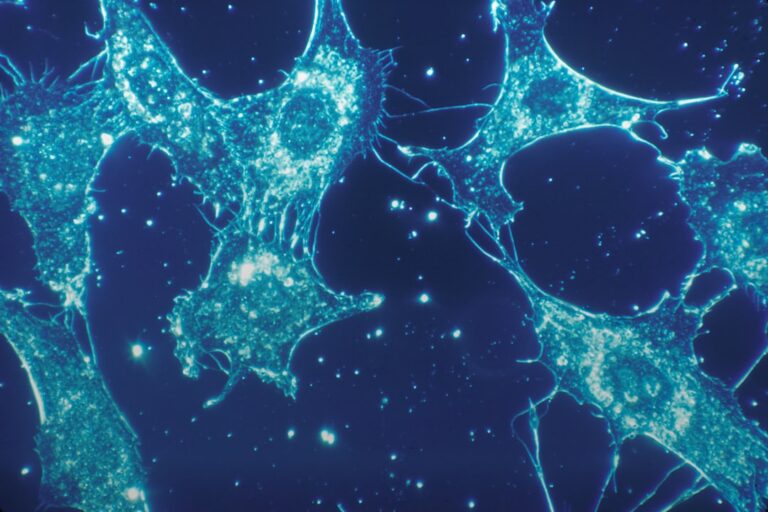
The human brain, a marvel of biological engineering, is constantly under surveillance by its own dedicated immune system. At the heart of this intricate defense are cells called microglia. Long recognized as the brain’s resident guardians, these cells play a multifaceted role in maintaining neural health, defending against pathogens, clearing cellular debris, and supporting tissue repair. However, emerging research increasingly points to changes in microglial behavior, particularly heightened inflammatory signaling, as a significant contributor to age-related neurodegenerative conditions like Alzheimer’s disease (AD).
A recent study, leveraging advanced ‘omics’ technologies, has shed new light on the dynamic nature of microglia, identifying distinct states associated with the presence or absence of Alzheimer’s pathology in older individuals. This groundbreaking work offers critical insights into how some brains resist the onslaught of AD, paving the way for novel therapeutic strategies.
The Brain’s Immune Guardians: Understanding Microglia
Microglia are not merely passive bystanders in the brain; they are highly active, sensing their environment, pruning synapses, and responding swiftly to injury or infection. Think of them as the central nervous system’s clean-up crew, first responders, and architects, all rolled into one. They are crucial for healthy brain development and function throughout life. However, as we age, or in the context of neurodegenerative diseases, microglia can become dysfunctional. Instead of protecting, they can sometimes contribute to chronic inflammation, hindering their beneficial roles and exacerbating pathology.
Understanding these shifts in microglial states—from beneficial to detrimental, or even to a resilient state—is paramount for unraveling the complexities of Alzheimer’s disease. AD is not an inevitable outcome of pathology but a dynamic process shaped by how brain cells, including microglia, respond to accumulating amyloid-beta (Aβ) plaques and tau tangles.
Mapping Alzheimer’s: A New Spatial Perspective
Advanced Tools for Unprecedented Detail
To truly understand the cellular responses at play in Alzheimer’s, researchers need tools capable of immense precision. This study utilized a powerful combination of spatial transcriptomics and single-nucleus RNA sequencing. These cutting-edge technologies allowed scientists to examine gene expression patterns at an unprecedented resolution, not just within individual cells but also in their specific locations within brain tissue from human donors.
The research focused on the superior frontal cortex, a brain region often affected in AD, from three distinct groups:
- Octogenarians living with dementia: Individuals in their 80s diagnosed with AD.
- Cognitively intact octogenarians: Individuals in their 80s without dementia.
- Cognitively intact centenarians: Individuals aged 100 or more, who despite often having comparable Aβ accumulation, showed no signs of dementia.
This comparative approach was crucial for identifying mechanisms of resilience.
The Pathological Continuum of Alzheimer’s
Through this detailed analysis, the researchers identified six distinct tissue domains within the brain, representing a spatial pathological continuum of AD. This continuum revealed a key inflection point: a critical shift from early Aβ-associated inflammatory changes to later tau-associated cellular programs. This transition marks a pivotal moment in the disease’s progression, where the brain’s response moves from dealing with amyloid plaques to grappling with the spread of neurofibrillary tau tangles.
Microglial Shifts: Early Inflammation to Late Antigen Presentation
Crucially, this transition point in AD pathology was accompanied by a significant change in microglial states. The study identified distinct microglial gene expression patterns, termed ‘plaque-induced gene (PIG) programs,’ that correlated with disease progression:
- Early PIG programs: These states were characterized by inflammatory responses, appearing early in the pathological continuum and associated with the presence of Aβ plaques. These microglia appear to be in a heightened state of alert, responding to the initial amyloid burden.
- Late PIG programs: As the pathology advanced, microglia shifted to a different state, characterized by antigen-presenting phenotypes. These late PIGs were found to be closely associated with tau accumulation, suggesting a role in perpetuating or responding to the spread of tau pathology.
This observation underscores that microglia are not monolithic in their response; their behavior evolves as the disease progresses.
The Enigma of Resilience: How Some Brains Resist AD
Perhaps the most compelling findings emerged from comparing the microglial states in individuals who demonstrated resilience to Alzheimer’s pathology.
Insights from Octogenarians Without Dementia
The cognitively intact octogenarians, despite their age, showed a distinct pathological pattern: they largely lacked the presence of the ‘late PIG’ microglial states. This suggests that avoiding the transition to these later, antigen-presenting microglial phenotypes might be a crucial mechanism of resilience against AD progression in some individuals.
Centenarians: A Unique Form of Protection
The cognitively intact centenarians presented an even more intriguing picture. These remarkable individuals, who maintained cognitive function into their hundreds, often had significant Aβ accumulation in their brains, comparable to those with AD. However, their brains exhibited a unique form of resilience:
Centenarians showed activation of late PIG programs, but critically, this activation was uncoupled from tau accumulation. This indicates that their microglia might be active in a way that handles amyloid without driving the detrimental tau pathology, suggesting a distinct and highly effective protective mechanism.
These divergent resilience-associated mechanisms—one involving the absence of late PIGs (in octogenarians) and another involving their uncoupling from tau pathology (in centenarians)—highlight the complex and varied ways the human brain can resist Alzheimer’s.
Paving the Way for Future Therapies
This research offers a deeper understanding of the cellular landscape of Alzheimer’s disease and, crucially, identifies specific microglial state transitions as potential points of intervention. By understanding which microglial states are detrimental and which are protective, scientists can begin to explore targeted therapies.
Future efforts could focus on:
- Developing strategies to prevent microglia from shifting into the harmful late PIG states.
- Modulating existing microglial populations to encourage more regenerative or less inflammatory behaviors.
- Identifying compounds or interventions that can uncouple microglial activation from tau pathology, mimicking the resilience observed in centenarians.
While still in the realm of foundational research, these findings provide a robust framework for investigating novel approaches to improve brain function and foster resilience against Alzheimer’s disease. The precision offered by ‘omics’ technologies is bringing us closer to understanding the subtle cellular dynamics that determine cognitive fate in aging.
Explore more in our Longevity & Biohacking coverage.
🔬 Scientific Takeaway
New research identifies distinct microglial states, termed early and late plaque-induced gene (PIG) programs, associated with Alzheimer's disease progression. Cognitively intact octogenarians lacked late PIGs, while centenarians showed late PIG activation uncoupled from tau accumulation, revealing divergent mechanisms of brain resilience. These microglial state transitions at the amyloid-beta and tau interface represent promising new targets for therapeutic development against Alzheimer's disease.
Sources & References
Photo by Milad Fakurian on Unsplash.
Medical Disclaimer: This article is AI-assisted and reviewed by the Vitalheros editorial team. It is provided for informational purposes only and is not a substitute for professional medical advice, diagnosis, or treatment. Always consult a qualified healthcare provider. Reviewed by The Vitalheros Editorial Team.