Noninvasive Genetic Screening: A New Era in Prenatal Care

Some links in this article are affiliate links. As an Amazon Associate and partner of other programs, Vitalheros may earn a commission from qualifying purchases, at no extra cost to you. This never influences our editorial coverage.
Revolutionizing Early Insights into Fetal Health
The journey of pregnancy is often filled with anticipation and a desire for reassurance regarding the health of the developing child. For decades, expectant parents faced a challenging dichotomy: either rely on less precise screening methods or undergo invasive diagnostic procedures carrying a small but real risk. However, a significant evolution in prenatal care is reshaping this landscape. Advancements in noninvasive genetic sequencing are now providing an unprecedented breadth of information about fetal health, offering a safer and earlier glimpse into potential genetic conditions.
This new era of noninvasive prenatal screening (NIPS) leverages sophisticated DNA sequencing technologies to analyze cell-free fetal DNA (cffDNA) circulating in the mother’s bloodstream. What began as a groundbreaking method for detecting common chromosomal abnormalities has rapidly expanded its capabilities, promising a more comprehensive understanding of fetal genetic makeup without the need for invasive procedures.
Understanding Noninvasive Prenatal Screening (NIPS)
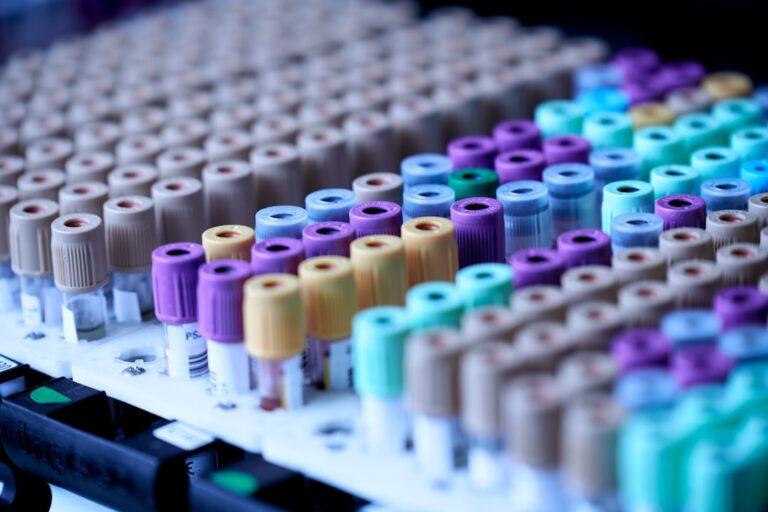
At its core, NIPS is a blood test performed on the pregnant parent, typically after 10 weeks of gestation. During pregnancy, fragments of fetal DNA, originating from the placenta, cross into the mother’s bloodstream. These fragments, known as cell-free fetal DNA, can be isolated and analyzed. Traditional NIPS primarily focused on identifying common aneuploidies – conditions caused by an abnormal number of chromosomes – such as Trisomy 21 (Down syndrome), Trisomy 18 (Edwards syndrome), and Trisomy 13 (Patau syndrome), as well as sex chromosome aneuploidies.
The power of NIPS lies in its noninvasive nature. Unlike diagnostic tests such as amniocentesis or chorionic villus sampling (CVS), which involve inserting a needle into the uterus and carry a small risk of miscarriage, NIPS poses no physical risk to the fetus. This safety profile has made it a preferred initial screening option for many parents.
How Sequencing Expands Capabilities
The recent advancements in NIPS are largely attributable to the increasing sophistication of DNA sequencing technologies. Early NIPS methods were effective for detecting large-scale chromosomal changes. However, modern high-resolution sequencing can now scrutinize the cffDNA with much greater detail, enabling the detection of a wider spectrum of genetic variations.
- Broader Aneuploidy Detection: While initially focused on the most common trisomies, expanded NIPS panels can now screen for rarer aneuploidies involving other chromosomes.
- Microdeletions and Microduplications: Perhaps one of the most significant expansions is the ability to screen for microdeletions and microduplications. These are small missing or extra pieces of chromosomal material that can lead to various developmental disorders, intellectual disabilities, and congenital anomalies. Examples include DiGeorge syndrome (22q11.2 deletion syndrome) and Prader-Willi/Angelman syndromes (15q11.2 deletion). Detecting these conditions noninvasively represents a substantial leap forward.
- Potential for Single-Gene Disorders: While still an area of active research and clinical development, advanced sequencing holds the promise of someday screening for certain single-gene disorders, which are caused by mutations in a specific gene rather than entire chromosomal abnormalities. This would further broaden the scope of noninvasive prenatal information.
This expansion means that NIPS is moving beyond a purely quantitative assessment of chromosome numbers to a more qualitative analysis of specific chromosomal segments, offering a more nuanced picture of fetal genetic health.
Benefits and Considerations of Advanced NIPS
The expanded capabilities of NIPS bring several compelling benefits to expectant parents and healthcare providers:
- Enhanced Safety: The primary advantage remains the elimination of risks associated with invasive diagnostic procedures.
- Earlier Information: NIPS can be performed relatively early in pregnancy, providing valuable information sooner than some other screening methods.
- More Comprehensive Screening: The ability to screen for microdeletions and microduplications offers a more thorough assessment of potential genetic risks.
- Informed Decision-Making: Access to more detailed genetic information allows parents and their healthcare teams to be better prepared and make informed decisions about pregnancy management, delivery planning, and postnatal care.
However, it is crucial to understand that NIPS, even in its expanded form, remains a screening test, not a diagnostic one. This distinction is paramount:
A positive NIPS result indicates an increased likelihood of a genetic condition but does not confirm its presence. Confirmation invariably requires a diagnostic procedure like amniocentesis or CVS.
Other important considerations include:
- False Positives and Negatives: While NIPS is highly accurate for common aneuploidies, its positive predictive value can be lower for rarer conditions, microdeletions, or microduplications. This means a positive result might not always indicate a true condition, leading to anxiety and the need for further testing. Conversely, a negative result does not completely rule out all genetic conditions.
- Genetic Counseling: Given the complexity of the information provided by expanded NIPS, comprehensive genetic counseling is essential. Counsellors can help parents understand the implications of results, discuss further testing options, and provide emotional support.
- Accessibility and Cost: The availability and cost of these advanced NIPS panels can vary, potentially posing barriers to access for some individuals.
The Future of Prenatal Genetic Health
The trajectory of noninvasive sequencing in prenatal care points towards an increasingly detailed and personalized approach. Researchers are continually refining the technology to improve accuracy, broaden the range of detectable conditions, and reduce the need for follow-up invasive testing. This ongoing innovation promises to empower parents with more knowledge and confidence as they navigate the complexities of pregnancy.
As NIPS technology continues to evolve, its integration into routine prenatal care will require careful consideration of ethical implications, equitable access, and robust support systems, including expert genetic counseling, to ensure that these powerful tools are used responsibly and effectively for the benefit of families worldwide.
Explore more in our Digital Health coverage.
🔬 Scientific Takeaway
Advanced noninvasive prenatal screening (NIPS) now utilizes sophisticated sequencing to detect a broader range of fetal genetic conditions, including microdeletions and microduplications, beyond common aneuploidies. This method offers a safe, early screening option, but it remains a screening test; positive results necessitate confirmation via invasive diagnostic procedures. Comprehensive genetic counseling is crucial for interpreting complex results and guiding parental decisions.
Sources & References
Photo by Kelly Sikkema on Unsplash.
Medical Disclaimer: This article is AI-assisted and reviewed by the Vitalheros editorial team. It is provided for informational purposes only and is not a substitute for professional medical advice, diagnosis, or treatment. Always consult a qualified healthcare provider. Reviewed by The Vitalheros Editorial Team.