Misplaced DNA: Unraveling Its Role in Chronic Inflammation and Thrombosis
Some links in this article are affiliate links. As an Amazon Associate and partner of other programs, Vitalheros may earn a commission from qualifying purchases, at no extra cost to you. This never influences our editorial coverage.
Aging is far more complex than the appearance of wrinkles or gray hair. Beneath the surface, a cascade of cellular and molecular changes drives the gradual decline in our body’s resilience. Among the most pervasive and insidious of these changes is a chronic, low-grade inflammatory state known as inflammaging. While inflammation is a vital protective response, its persistent, unresolved presence in later life contributes significantly to a host of age-related diseases, from cardiovascular conditions to neurodegeneration.
Emerging research is now shedding light on a fascinating, yet concerning, driver of this age-related inflammation: the mislocalization of our own cellular nucleic acids, DNA and RNA. These essential genetic molecules, typically confined within the nucleus and mitochondria, can escape into other parts of the cell or even into the extracellular space as we age. When they do, they are perceived by our immune system as foreign invaders, triggering a maladaptive inflammatory response that has profound implications for our health, particularly in the vasculature.
The Silent Threat: Understanding Inflammaging
Inflammaging is a hallmark of biological aging, characterized by a persistent, sterile inflammatory state that doesn’t stem from infection but rather from accumulated cellular damage and impaired waste clearance. It’s a subtle simmer rather than a raging fire, but its long-term effects are devastating. This chronic activation of innate immune pathways contributes to a wide array of age-related pathologies, effectively accelerating the aging process itself.
Think of it as the body’s alarm system constantly blaring, even when there’s no immediate threat. Over time, this constant state of alert wears down tissues, impairs function, and makes us more susceptible to disease. Understanding the specific triggers of inflammaging is crucial for developing interventions that can quiet this destructive background noise.
Beyond Inflammation: The Coagul-Aging Connection
One of the most concerning consequences of inflammaging is its impact on our circulatory system. Chronic inflammation doesn’t just damage blood vessels; it also primes them for an increased tendency to form blood clots, a state researchers are now calling coagul-aging. This prothrombotic phenotype is a major contributor to cardiovascular events like heart attacks and strokes, which become increasingly common with age.
The interplay between inflammation and coagulation is not new to science. It’s a concept known as thrombo-inflammation, an intricate, coordinated response that originally evolved to contain infections and repair tissue damage. However, when chronically activated due to aging, this beneficial crosstalk turns detrimental, sustaining vascular injury and significantly increasing the risk of dangerous blood clots.
The Mechanisms of Coagul-Aging
- Endothelial Dysfunction: The inner lining of blood vessels, the endothelium, becomes compromised and less able to regulate blood flow and prevent clot formation.
- Platelet Hyperreactivity: Platelets, the tiny cells responsible for initiating blood clotting, become overly sensitive and prone to aggregation.
- Altered Hemostatic Balance: The delicate balance between clot formation and clot breakdown is disrupted, favoring clot formation.
Misplaced Molecular Signals: A New Driver of Age-Related Dysfunction
At the heart of this updated understanding of inflammaging and coagul-aging lies the role of mislocalized nucleic acids. In healthy, young cells, DNA largely resides in the nucleus and mitochondria, while RNA is primarily involved in protein synthesis within the cytoplasm. However, with age, cellular integrity diminishes, leading to the release of DNA and RNA fragments from their proper compartments.
The Role of Nucleic Acid Mislocalization
These misplaced nucleic acids—including fragments of DNA, RNA, and even RNA:DNA hybrids—can accumulate within the cell’s cytosol (the fluid portion of the cytoplasm) or even be released into the extracellular environment. These fragments often originate from damaged mitochondria, dying cells, or even endogenous retroelements (ancient viral sequences within our genome that can become active with age).
How Cells React: Innate Immune Sensors
Our cells are equipped with sophisticated internal surveillance systems designed to detect foreign genetic material, such as that from viruses or bacteria. These systems include a family of proteins called pattern recognition receptors (PRRs). When these PRRs encounter misplaced self-derived nucleic acids, they interpret them as threats, triggering an immune alarm.
Key PRRs involved in sensing these misplaced nucleic acids include:
- cGAS-STING pathway: This pathway is particularly sensitive to cytosolic DNA.
- Toll-like Receptor 9 (TLR9): Primarily detects DNA, often in endosomes.
- RIG-I-like Receptors (RLRs): Primarily detect viral RNA.
Upon activation, these sensors initiate powerful immune responses, including the production of type I interferons and various cytokines, which are potent inflammatory signaling molecules.
The Cascade of Consequences
The detection of misplaced nucleic acids doesn’t just fuel inflammation; it also directly contributes to the prothrombotic state. These nucleic acids can activate the contact pathway of coagulation, specifically through factor XII, initiating thrombin generation even in the absence of classical inflammatory triggers. This provides a non-inflammatory route to clot formation, illustrating the dual threat posed by these misplaced molecules.
“Emerging evidence suggests that misplaced nucleic acids, including extracellular or cytosolic DNA, RNA, and RNA:DNA hybrids, act as molecular triggers of both innate immune activation and coagulation.”
This means that these errant genetic fragments are not merely bystanders in the aging process; they are active participants, directly linking chronic immune activation to an increased tendency for dangerous blood clots.
The Thrombo-Inflammatory Loop: A Vicious Cycle
The persistent activation of both inflammatory and coagulation pathways by misplaced nucleic acids creates a detrimental feedback loop. Chronic inflammation further damages cells and tissues, leading to more release of nucleic acid fragments, which in turn fuels more inflammation and prothrombotic activity. This self-perpetuating cycle sustains vascular injury and significantly elevates the risk of thrombotic events in older individuals.
Future Directions: Targeting the Root Cause
The identification of mislocalized nucleic acids as central effectors in linking inflammaging to coagul-aging opens new avenues for therapeutic intervention. Current research in immune aging often focuses on broadly interfering with inflammatory signaling, a challenging task given that inflammation is also essential for fighting infection and healing. The risk is that suppressing inflammation too broadly could compromise necessary immune functions.
However, by understanding the specific triggers like misplaced nucleic acids, researchers might be able to develop more targeted approaches. Potential strategies could include:
- Developing small molecules that inhibit the specific pattern recognition receptors (e.g., cGAS-STING inhibitors) that sense these misplaced molecules.
- Finding ways to improve cellular clearance mechanisms to prevent the accumulation of these damaging fragments.
- Exploring methods to restore cellular compartmentalization, ensuring nucleic acids remain in their rightful place.
Ultimately, the most comprehensive solution lies in addressing the underlying damage of aging that leads to nucleic acid mislocalization in the first place. While this remains a long-term goal for geroscience, the immediate insights into the role of misplaced nucleic acids offer promising new targets for mitigating age-related inflammation and thrombosis.
This evolving understanding underscores that aging is not a passive process but an active, dynamic one driven by specific molecular events. By precisely identifying these drivers, we move closer to developing effective strategies to promote healthier, longer lives.
Explore more in our Longevity & Biohacking coverage.
🔬 Scientific Takeaway
New research highlights how misplaced DNA and RNA fragments, escaping their normal cellular compartments in aged cells, act as key triggers for chronic, low-grade inflammation (inflammaging). These fragments activate innate immune sensors, leading to both inflammatory signaling and direct activation of coagulation pathways. This dual activation contributes to a prothrombotic state known as 'coagul-aging,' increasing the risk of age-related cardiovascular events like thrombosis.
Sources & References
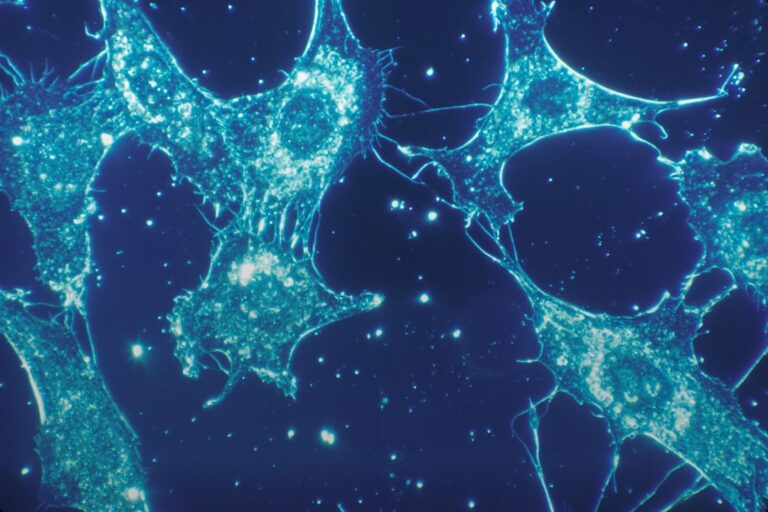
Photo by National Cancer Institute on Unsplash.
Medical Disclaimer: This article is AI-assisted and reviewed by the Vitalheros editorial team. It is provided for informational purposes only and is not a substitute for professional medical advice, diagnosis, or treatment. Always consult a qualified healthcare provider. Reviewed by The Vitalheros Editorial Team.