The Heart of the Matter: Safeguarding Cardiac Health During Cancer Treatment
Some links in this article are affiliate links. As an Amazon Associate and partner of other programs, Vitalheros may earn a commission from qualifying purchases, at no extra cost to you. This never influences our editorial coverage.
For millions facing a cancer diagnosis, the path to recovery involves powerful, often life-saving treatments. Yet, an unwelcome truth has long shadowed these therapies: some can inadvertently harm the very organ vital to life itself—the heart. This challenge has spurred a dedicated medical frontier known as cardio-oncology, where specialists are working to protect cardiac health without compromising cancer care. A significant breakthrough in this field involves leveraging existing heart failure treatments to shield the heart from the side effects of cancer therapy, offering a new beacon of hope for patients worldwide.
The Unseen Burden: Cancer Therapy’s Impact on the Heart
Modern cancer treatments are incredibly effective, designed to target and destroy malignant cells. However, their potency can sometimes extend beyond cancerous tissues, affecting healthy organs. The heart, a muscular pump, is particularly vulnerable to certain agents. This damage, known as cardiotoxicity, can manifest in various forms, from mild arrhythmias to severe heart failure, sometimes emerging months or even years after cancer treatment concludes.
For instance, some chemotherapy drugs, like anthracyclines, can directly injure heart muscle cells. Similarly, certain targeted therapies, while highly effective against specific cancer types, can also place stress on the cardiovascular system. The dilemma for clinicians and patients has been profound: how to aggressively treat cancer and achieve remission while simultaneously preserving long-term heart function and overall quality of life.
A Proactive Approach: Repurposing Heart Failure Medications
The exciting development in cardio-oncology centers on the strategic use of medications traditionally prescribed for heart failure. These established therapies, known for their ability to improve cardiac function and outcomes in patients with weakened hearts, are now being deployed as a preventative measure. By administering these treatments before or during cancer therapy, medical teams aim to preemptively mitigate the cardiotoxic effects, essentially building a protective shield around the heart.
This proactive strategy marks a significant shift. Instead of waiting for cardiac damage to occur and then treating it, the focus is on prevention. The goal is to ensure that patients can complete their full course of cancer treatment, maximizing their chances of beating the disease, without incurring irreversible damage to their cardiovascular system.
How These Treatments Offer Protection
While the exact mechanisms can be complex and vary depending on the specific medication and cancer therapy, the general principles behind this cardioprotection are clear:
- Reducing Cardiac Strain: Some heart failure medications work by relaxing blood vessels, reducing the workload on the heart, and allowing it to pump more efficiently.
- Counteracting Cellular Damage: Certain cancer drugs can induce oxidative stress and inflammation in heart cells. Cardioprotective agents can help to neutralize these harmful processes, preserving cellular integrity.
- Preventing Adverse Remodeling: When the heart is stressed, it can undergo structural changes (remodeling) that weaken its pumping ability over time. These treatments can help prevent or reverse such detrimental changes.
- Improving Blood Flow: By optimizing blood pressure and circulation, these medications ensure the heart muscle receives adequate oxygen and nutrients, even under the stress of cancer treatment.
The Rise of Cardio-Oncology: A Collaborative Frontier
The success of this approach is a testament to the burgeoning field of cardio-oncology. This specialized discipline brings together cardiologists, oncologists, radiation oncologists, and other healthcare professionals to provide integrated care. Their collaboration ensures that patients receive comprehensive evaluations before, during, and after cancer treatment to assess their cardiovascular risk and monitor heart function.
A key aspect of cardio-oncology is personalized risk assessment. Factors such as a patient’s age, pre-existing heart conditions, and the specific type and dosage of cancer therapy are all considered when determining the need for and type of cardioprotective measures. This tailored approach ensures that interventions are both effective and appropriate for each individual.
Implications for Patients and Future Directions
The ability to proactively shield the heart while aggressively treating cancer represents a significant leap forward in patient care. For cancer survivors, this means a better chance at a long, healthy life, free from the debilitating complications of heart disease that might otherwise arise years down the line. It empowers patients to focus on their recovery with greater peace of mind regarding their cardiac health.
"The integration of established heart failure treatments into cancer care protocols is transforming the landscape of survivorship, ensuring that overcoming cancer doesn’t come at the cost of long-term cardiac health."
Research in cardio-oncology continues to evolve rapidly. Scientists are exploring new therapeutic agents, refining optimal dosing and timing strategies for existing medications, and developing more sophisticated imaging techniques to detect cardiac damage at its earliest stages. The aim is to make cancer treatment safer and more effective for every patient, ensuring that the heart, quite literally, remains at the center of their journey to health.
For anyone undergoing cancer treatment, open communication with their oncology and cardiology teams is paramount. Understanding the potential risks and the available cardioprotective strategies is a crucial step in advocating for one’s own comprehensive health and longevity.
Explore more in our Digital Health coverage.
🔬 Scientific Takeaway
Existing heart failure treatments are being effectively repurposed to protect cardiac function in patients undergoing cancer therapies. This proactive approach in cardio-oncology helps mitigate cardiotoxicity, allowing patients to complete their cancer treatment while preserving long-term heart health. The strategy represents a significant advancement in integrated cancer care, improving quality of life and longevity for survivors.
Sources & References
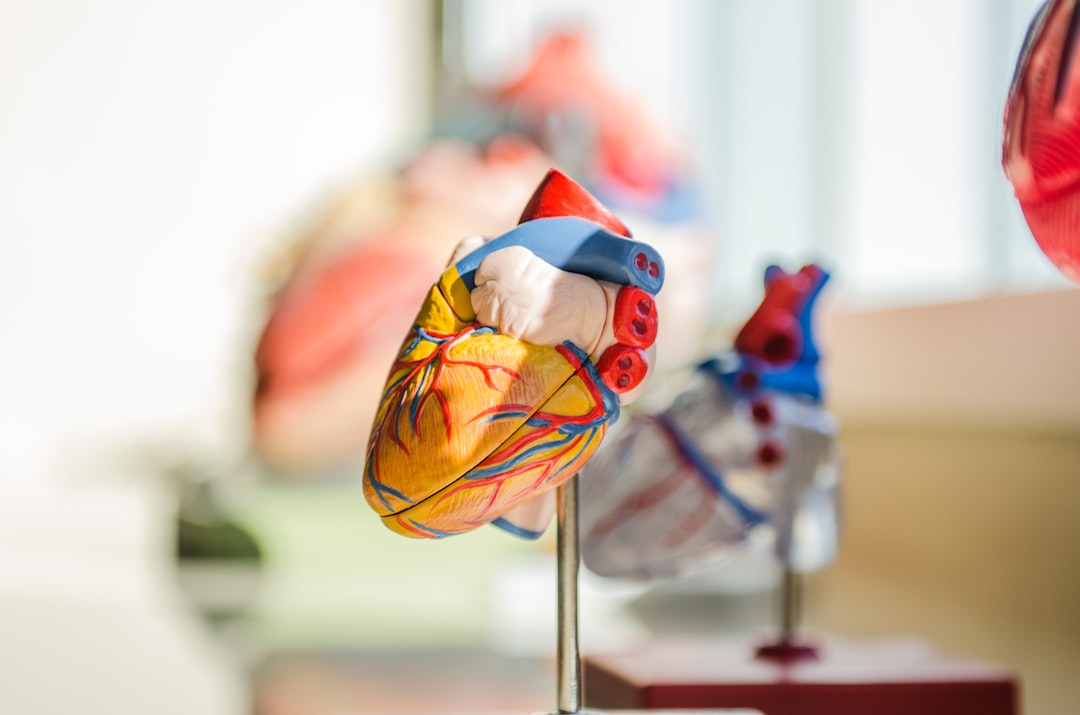
Photo by jesse orrico on Unsplash.
Medical Disclaimer: This article is AI-assisted and reviewed by the Vitalheros editorial team. It is provided for informational purposes only and is not a substitute for professional medical advice, diagnosis, or treatment. Always consult a qualified healthcare provider. Reviewed by The Vitalheros Editorial Team.