Jumping Genes: Unraveling Interspecies Genetic Transfer
Some links in this article are affiliate links. As an Amazon Associate and partner of other programs, Vitalheros may earn a commission from qualifying purchases, at no extra cost to you. This never influences our editorial coverage.
For generations, the conventional wisdom in biology has held that genetic material passes almost exclusively from parent to offspring – a process known as vertical gene transfer. This fundamental principle underpins our understanding of evolution, shaping the branching tree of life. However, recent scientific discoveries are adding intriguing complexities to this narrative, revealing a more interconnected and fluid genetic landscape than previously imagined.
A growing body of research, including a notable recent study, highlights the remarkable phenomenon of horizontal gene transfer (HGT) – the movement of genetic material between organisms that are not directly related through descent. Even more astonishing is the evidence suggesting that certain segments of DNA, often dubbed “jumping genes,” can traverse the boundaries between entirely different species. This revelation opens new avenues for understanding biological diversity, adaptation, and even disease.
What Are Jumping Genes?
To appreciate the significance of interspecies genetic transfer, it’s essential to understand what “jumping genes” are. Scientifically known as transposable elements (TEs), these are segments of DNA that can move from one location in the genome to another. They are ubiquitous, making up a substantial portion of the genetic material in many organisms, including humans. In fact, TEs constitute over 40% of the human genome.
The Dynamic Nature of Transposable Elements
- Mobility: TEs can literally “jump” or copy themselves and insert into new positions within the host genome. This mobility can sometimes disrupt gene function or alter gene regulation.
- Evolutionary Impact: Despite their potential for disruption, TEs are not mere genetic parasites. They are powerful drivers of evolution, contributing to genomic innovation, the creation of new genes, and the diversification of species over vast timescales. Their activity can reshuffle genetic information, providing raw material for natural selection.
- Categories: TEs are broadly categorized into two types: Class 1 TEs (retrotransposons), which move via an RNA intermediate (copy-and-paste mechanism), and Class 2 TEs (DNA transposons), which move directly as DNA (cut-and-paste mechanism).
Until recently, the movement of TEs was primarily studied within a single species, focusing on their internal genomic dynamics. The idea of these elements crossing species barriers was considered rare, if not exceptional.
The Breakthrough: Interspecies Transfer of Genetic Material
The groundbreaking aspect of recent research lies in its demonstration that TEs are not confined to the genomic boundaries of a single species. Studies have provided compelling evidence of these jumping genes successfully migrating from one species to another, integrating into the recipient organism’s genome, and even becoming active.
“This discovery challenges a long-held view of evolution, suggesting that the genetic toolkit of a species can be influenced not just by its ancestors, but also by its contemporaries across the biological spectrum.”
How Might Interspecies Transfer Occur?
The mechanisms by which TEs jump between species are still subjects of active investigation, but several hypotheses are being explored:
- Viral Vectors: Viruses are notorious for their ability to transfer genetic material between cells and organisms. They could potentially pick up TEs from one host and deliver them to another.
- Parasitic Interactions: Parasites often have intimate, long-term relationships with their hosts, creating opportunities for genetic exchange. A parasite could act as an intermediary, transferring TEs between its different hosts.
- Dietary Intake: In some cases, organisms might acquire genetic material from the food they consume, especially if it involves consuming other organisms.
- Environmental Vectors: Less understood, but environmental factors or shared microbial communities could potentially facilitate gene transfer.
What makes these interspecies transfers particularly significant is the demonstration that the transferred TEs can remain functional and active in their new host. This means they are not just inert pieces of DNA but can continue their “jumping” activity, potentially influencing the new host’s genome and evolutionary trajectory.
Implications for Evolution and Health
The realization that jumping genes can hop between species has profound implications across various fields of biology and potentially for human health.
Reshaping Evolutionary Theory
For evolutionary biologists, HGT of TEs offers a powerful new lens through which to view adaptation and diversification. It suggests that:
- Rapid Adaptation: Species might acquire novel genetic traits more quickly than previously thought, borrowing successful genetic tools from other organisms rather than waiting for them to evolve de novo.
- Challenging the Tree of Life: While the tree of life remains a valid metaphor for much of evolution, HGT introduces a network of connections, suggesting a more interwoven genetic tapestry at certain junctures.
- Understanding Biodiversity: It could help explain puzzling similarities in genetic sequences between distantly related species.
Potential Links to Health and Disease
While the direct health implications for humans from specific interspecies TE transfers are still an emerging area of research, the broader understanding of HGT offers fascinating avenues:
- Pathogen Evolution: Understanding how genetic material, including TEs, can move between species could shed light on how pathogens acquire virulence factors or drug resistance genes, making them more dangerous or harder to treat.
- Host-Pathogen Interactions: HGT might influence the ongoing evolutionary arms race between hosts and pathogens, where each adapts to the other.
- Novel Therapeutic Targets: A deeper understanding of TE activity, whether intrinsic or acquired through HGT, could potentially lead to new strategies for treating diseases linked to genomic instability or the activity of specific TEs.
It’s crucial to note that while the mechanisms of interspecies TE transfer are being uncovered, the precise and direct consequences for human health are still largely hypothetical and require extensive future research. The focus at this stage is on understanding the fundamental biological process.
The Future of Genetic Research
The discovery of interspecies jumping genes underscores the dynamic and interconnected nature of life on Earth. It reminds us that genomes are not static blueprints but fluid, evolving entities constantly interacting with their environment and, surprisingly, with the genomes of other species.
Future research will undoubtedly delve deeper into the frequency, mechanisms, and specific evolutionary outcomes of these interspecies transfers. Scientists will aim to identify the specific TEs involved, the species most prone to such exchanges, and the ultimate impact on the recipient organisms. This expanding knowledge promises to refine our understanding of life’s intricate genetic dance, offering new insights into adaptation, biodiversity, and the very fabric of biological existence.
Explore more in our Digital Health coverage.
🔬 Scientific Takeaway
Recent research demonstrates that transposable elements, or "jumping genes," can transfer between different species, integrating into the recipient genome and remaining active. This phenomenon of horizontal gene transfer challenges traditional views of solely vertical inheritance, suggesting a more interconnected evolutionary landscape. It has significant implications for understanding rapid adaptation, genomic diversity, and potentially the evolution of pathogens.
Sources & References
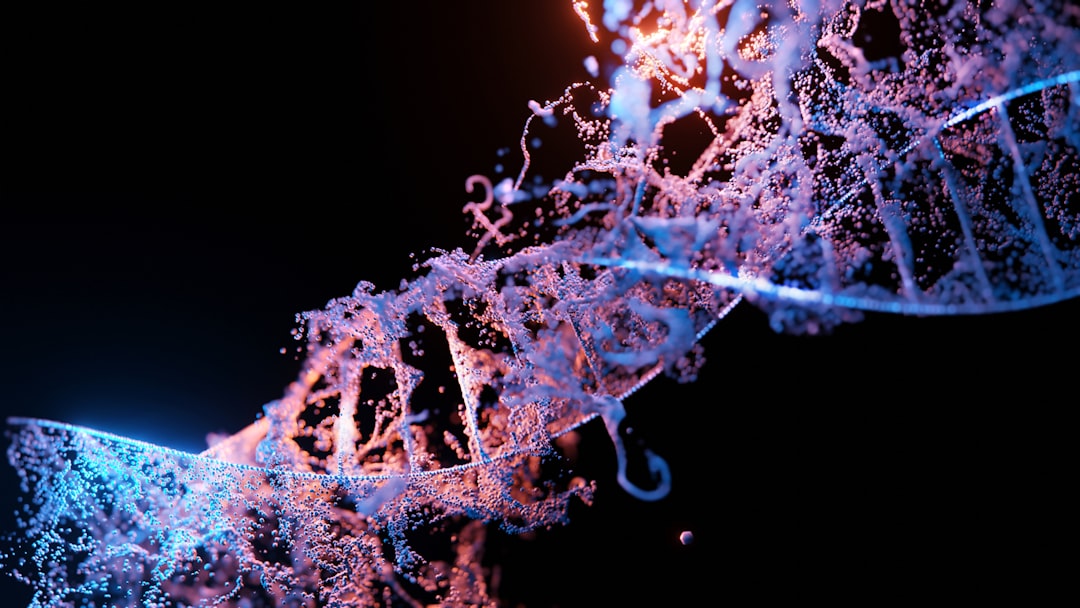
Photo by Sangharsh Lohakare on Unsplash.
Medical Disclaimer: This article is AI-assisted and reviewed by the Vitalheros editorial team. It is provided for informational purposes only and is not a substitute for professional medical advice, diagnosis, or treatment. Always consult a qualified healthcare provider. Reviewed by The Vitalheros Editorial Team.