Unpacking Sickness Behavior: The Immune System’s Master Plan
Some links in this article are affiliate links. As an Amazon Associate and partner of other programs, Vitalheros may earn a commission from qualifying purchases, at no extra cost to you. This never influences our editorial coverage.
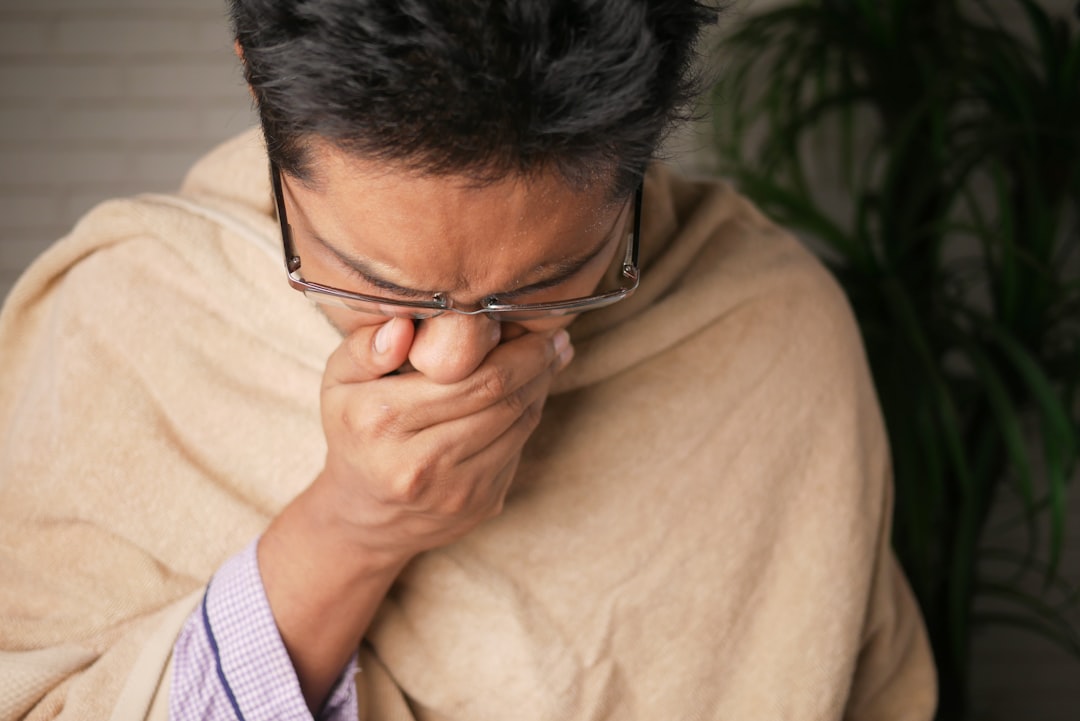
We’ve all experienced it: the sudden onset of fatigue, the loss of appetite, the urge to retreat to bed, and a general disinterest in the world when we’re ill. These aren’t just random symptoms; they are part of a highly coordinated biological response known as ‘sickness behavior.’ Far from being passive signs of discomfort, these behaviors are now understood as an active, evolutionarily conserved strategy orchestrated by our immune system to help us fight off infection and recover. Recent groundbreaking research in this field, particularly from a leading Swedish scientist, has garnered significant scientific recognition, underscoring the profound importance of understanding how our body responds to illness at a fundamental level.
For decades, these changes were largely dismissed as secondary effects of disease. However, pioneering work has revealed that sickness behavior is a complex, adaptive program with deep implications not only for acute illness but also for chronic conditions and our overall longevity. By delving into the intricate communication pathways between the immune system and the brain, scientists are uncovering new avenues for therapeutic intervention and a deeper appreciation for the body’s innate wisdom.
What Exactly is Sickness Behavior?
Sickness behavior encompasses a suite of physiological and behavioral changes that typically accompany an infection or injury. Think of it as your body’s survival mode, designed to prioritize healing and pathogen clearance above all else. While the specific manifestations can vary, common features include:
- Lethargy and Fatigue: A profound lack of energy and motivation, compelling rest.
- Social Withdrawal: A reduced desire for social interaction, which can limit pathogen spread and conserve energy.
- Anorexia (Loss of Appetite): Decreased food intake, potentially altering nutrient availability for pathogens or directing energy to immune responses.
- Increased Pain Sensitivity (Hyperalgesia): Heightened awareness of discomfort, signaling the need for rest and protection.
- Fever: An elevated body temperature, which can inhibit pathogen growth.
- Reduced Grooming/Self-Care: A general decline in activities not directly related to survival.
- Cognitive Impairment: Difficulty concentrating, reduced memory, and altered mood.
More Than Just “Feeling Unwell”
Crucially, sickness behavior is not simply a passive consequence of feeling bad. It is an active, regulated process. Imagine a complex symphony where the immune system acts as the conductor, signaling the brain to initiate these specific behavioral changes. This orchestration is vital: by reducing activity and diverting resources, the body can focus its energy on mounting an effective immune response, thereby improving the chances of recovery.
From an evolutionary perspective, this makes perfect sense. An animal that rests, avoids predators, and conserves energy during illness is more likely to survive and reproduce. This ancient program is deeply embedded in our biology, highlighting its fundamental role in our survival.
The Brain-Immune Connection: Unraveling the Mechanisms
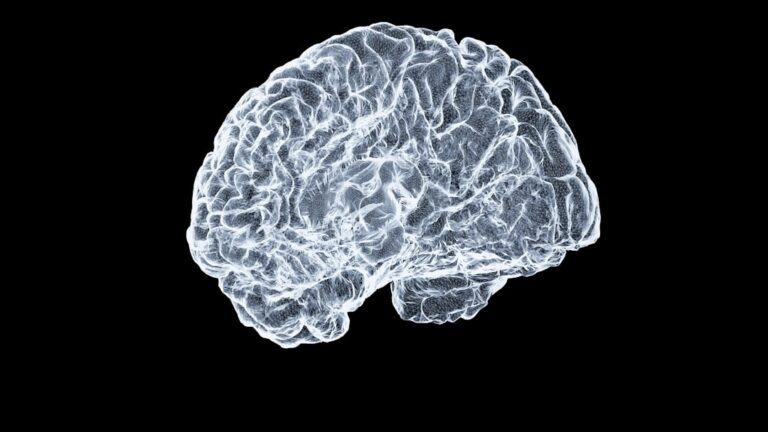
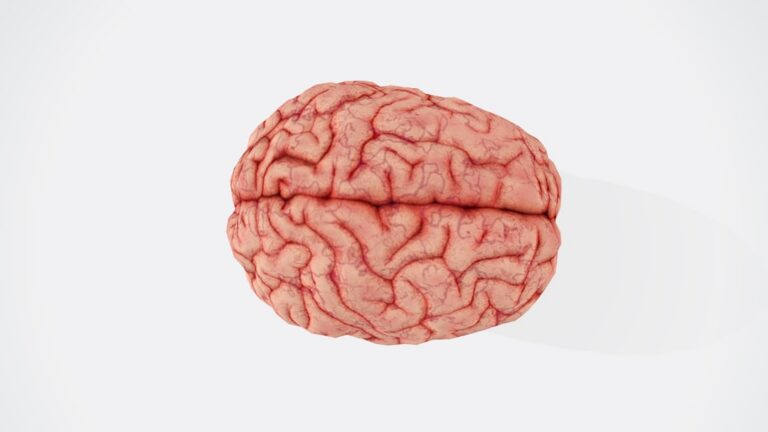
The core of sickness behavior research lies in understanding how the immune system, primarily recognized for fighting pathogens, communicates its state to the brain, which then drives these behavioral shifts. This communication is not always direct, as the brain is largely protected by the blood-brain barrier.
The Role of Cytokines
The key players in this intricate dialogue are signaling molecules called cytokines. When the immune system detects a threat (like bacteria or viruses), immune cells release pro-inflammatory cytokines such as interleukin-1 (IL-1), interleukin-6 (IL-6), and tumor necrosis factor-alpha (TNF-alpha). These cytokines act as messengers, relaying the message of infection to the brain through several pathways:
- Vagus Nerve: Cytokines can activate sensory fibers of the vagus nerve, which transmits signals directly to the brainstem.
- Circumventricular Organs: Certain areas of the brain, known as circumventricular organs, lack a strong blood-brain barrier, allowing cytokines to directly enter brain tissue.
- Endothelial Cells: Cytokines can also stimulate endothelial cells lining brain blood vessels to produce secondary messengers that then cross into the brain.
Once these signals reach the brain, they trigger changes in neurotransmitter systems (like serotonin and dopamine), alter neural circuits, and influence areas involved in mood, motivation, and thermoregulation, ultimately leading to the observed sickness behaviors.
From Infection to Inflammation: A Broader Perspective
While initially studied in the context of acute infections, research has expanded the concept of sickness behavior to include chronic inflammatory states. Conditions like autoimmune diseases, chronic stress, and even metabolic disorders can lead to persistent low-grade inflammation and the sustained release of pro-inflammatory cytokines. This chronic signaling can contribute to symptoms often seen in these conditions, such as:
- Chronic fatigue
- Depression and anhedonia (loss of pleasure)
- Cognitive fog and memory issues
- Increased pain
This overlap suggests that the same fundamental brain-immune pathways involved in acute sickness behavior may also underpin the behavioral symptoms of many chronic illnesses, including neurodegenerative diseases and certain mental health conditions.
Implications for Health and Longevity
Understanding sickness behavior has profound implications for how we approach health, disease, and the quest for a longer, healthier life.
Rethinking Illness and Recovery
Recognizing sickness behavior as an adaptive response can change our perspective on illness. Instead of fighting against the urge to rest or withdraw, we can appreciate these signals as the body’s attempt to heal. Encouraging adequate rest, reducing demands, and supporting the body’s natural recovery processes become paramount. This understanding can also help destigmatize symptoms like fatigue or social withdrawal in individuals with chronic inflammatory conditions, recognizing them as biological responses rather than purely psychological issues.
Potential Therapeutic Avenues
The scientific elucidation of the brain-immune pathways involved in sickness behavior opens up exciting possibilities for therapeutic intervention. By carefully modulating cytokine signaling or their downstream effects in the brain, researchers hope to develop new treatments for conditions where chronic inflammation drives debilitating behavioral symptoms. For instance, interventions that temper excessive pro-inflammatory cytokine activity might alleviate chronic fatigue or depressive symptoms in certain patient populations. However, such interventions would need to be carefully balanced to avoid compromising the immune system’s essential protective functions.
The Future of Sickness Behavior Research
The recognition of sickness behavior as a fundamental biological process marks a significant paradigm shift in medicine. Future research will undoubtedly continue to refine our understanding of these complex brain-immune interactions, explore individual differences in sickness behavior, and investigate how factors like genetics, diet, and lifestyle can influence these responses. As we unravel more about this intrinsic healing mechanism, we move closer to developing more holistic and effective strategies to support health, enhance recovery, and ultimately, improve human longevity and well-being.
Explore more in our Digital Health coverage.
🔬 Scientific Takeaway
Sickness behavior, a coordinated set of behavioral changes during illness like fatigue and social withdrawal, is an active, evolutionarily conserved response orchestrated by the immune system. Pro-inflammatory cytokines signal the brain to initiate these behaviors, redirecting energy towards healing and pathogen clearance. Understanding this brain-immune communication offers new insights into acute recovery and chronic inflammatory conditions, potentially guiding future therapeutic strategies.
Sources & References
Photo by Towfiqu barbhuiya on Unsplash.
Medical Disclaimer: This article is AI-assisted and reviewed by the Vitalheros editorial team. It is provided for informational purposes only and is not a substitute for professional medical advice, diagnosis, or treatment. Always consult a qualified healthcare provider. Reviewed by The Vitalheros Editorial Team.