
Genetic Testing’s Impact on ALS Care: A Looming Demand Surge
Some links in this article are affiliate links. As an Amazon Associate and partner of other programs, Vitalheros may earn a commission from qualifying purchases, at no extra cost to you. This never influences our editorial coverage.
Amyotrophic Lateral Sclerosis (ALS) is a devastating neurodegenerative condition that progressively robs individuals of their motor function, impacting speech, swallowing, and breathing. While the disease remains incurable, scientific advancements, particularly in genetics, are rapidly transforming our understanding of its origins and potential treatment pathways. This evolving landscape brings with it a profound implication: a projected surge in demand for highly specialized ALS care, potentially straining an already stretched healthcare system.
For decades, ALS was largely considered an enigmatic disease, with most cases classified as ‘sporadic’ – meaning no clear family history. However, rigorous research has unveiled a significant genetic component, even in many sporadic cases, changing how we approach diagnosis and, eventually, treatment.
The Unfolding Role of Genetics in ALS
Genetic discoveries have been pivotal in unraveling the complexities of ALS. While a smaller percentage of cases are clearly ‘familial’ (running in families), an increasing number of genes have been identified that contribute to the disease’s development in individuals without a known family history. These genetic insights are crucial for several reasons:
- Precision Diagnosis: Identifying specific genetic mutations can confirm a diagnosis earlier and more precisely, which is vital for disease management and planning.
- Prognostic Information: Certain genetic profiles may be associated with different disease progression rates, offering valuable information for patients and their families.
- Targeted Therapies: The most significant promise lies in the development of gene-specific therapies. Some investigational treatments are designed to target the products of specific mutated genes, offering a glimmer of hope for more effective interventions.
- Family Planning and Counseling: For families with identified genetic mutations, counseling can provide crucial information about inheritance patterns and reproductive options.
As genetic testing becomes more accessible, affordable, and integrated into diagnostic protocols, more individuals with ALS—and even those at risk—are likely to undergo testing. This expansion, while beneficial for patients, presents a substantial challenge to the existing healthcare infrastructure.
The Imminent Surge in Specialist Demand
The core implication of broader genetic testing for ALS is a sharp increase in the number of individuals requiring specialist care. This isn’t merely about more diagnoses; it’s about the multifaceted needs that accompany genetically informed ALS management.
Increased Patient Volume
Firstly, identifying more individuals with genetic forms of ALS will directly translate to a larger patient population needing ongoing medical supervision. Each patient requires regular consultations, monitoring of symptoms, and management of complications, all typically overseen by neurologists specializing in neurodegenerative diseases.
Complex Genetic Counseling Needs
Beyond the initial diagnosis, genetic testing necessitates comprehensive genetic counseling. This involves explaining complex genetic information, discussing implications for family members, addressing ethical considerations, and providing emotional support. The demand for qualified genetic counselors with expertise in neurodegenerative diseases is expected to rise considerably.
Multidisciplinary Care Coordination
ALS care is inherently multidisciplinary, involving neurologists, physical therapists, occupational therapists, speech-language pathologists, dietitians, social workers, and palliative care specialists. A genetic diagnosis often adds another layer of complexity, potentially requiring discussions about experimental gene therapies or specific monitoring protocols tailored to a particular mutation. Coordinating this intricate web of care for a growing patient population will require more resources and personnel across all these specialties.
Impact on Research and Clinical Trials
An increased understanding of genetic subtypes of ALS will also fuel more targeted research and clinical trials. This is positive for scientific advancement but will also place additional demands on specialist centers that conduct these trials, requiring more research staff and infrastructure.
Navigating the Challenges: Strategies for the Future
The anticipated surge in demand for ALS specialist care highlights an urgent need for proactive planning and resource allocation within the healthcare system. Ignoring this impending challenge could lead to longer wait times, reduced access to specialized expertise, and potentially suboptimal patient outcomes.
Expanding the Specialist Workforce
A fundamental step is to increase the pipeline of neurologists, genetic counselors, and allied health professionals trained in neurodegenerative diseases, particularly ALS. This includes encouraging medical students and residents to pursue these specialties and providing robust training programs.
Leveraging Technology: Telemedicine and Remote Monitoring
Telemedicine can play a crucial role in expanding access to specialist care, particularly for patients in rural or underserved areas. Virtual consultations can help manage routine follow-ups, genetic counseling sessions, and even some aspects of multidisciplinary team meetings, reducing the burden on physical clinics.
Developing Regional Centers of Excellence
Establishing or strengthening regional ALS centers of excellence can consolidate expertise and resources, offering comprehensive, coordinated care. These centers could also serve as hubs for training and research, disseminating best practices.
Streamlining Referral Pathways
Improving communication and referral systems between primary care providers and specialist centers can ensure patients are directed to appropriate care promptly, optimizing the use of specialist resources.
“The promise of genetic insights in ALS is immense, offering hope for more precise diagnoses and targeted treatments. However, realizing this promise requires careful consideration of the systemic impact on healthcare resources. Proactive planning is essential to ensure that advancements in genetic understanding translate into equitable and high-quality care for all who need it.”
The journey toward a deeper understanding of ALS through genetics is a testament to scientific progress. As we move closer to a future where genetic testing is a standard component of ALS diagnosis and management, it is imperative that healthcare systems evolve in tandem. By anticipating and strategically addressing the increased demand for specialist care, we can ensure that these scientific breakthroughs genuinely benefit patients and their families, providing them with the support and advanced treatments they deserve.
Explore more in our Digital Health coverage.
🔬 Scientific Takeaway
Expanded genetic testing for Amyotrophic Lateral Sclerosis (ALS) is poised to significantly increase the identification of individuals with genetic forms of the disease. While beneficial for diagnosis and potential targeted therapies, this will sharply escalate the demand for specialized multidisciplinary ALS care, including neurologists, genetic counselors, and allied health professionals. Proactive strategies are essential to prevent strain on healthcare systems and ensure equitable access to comprehensive care.
Sources & References
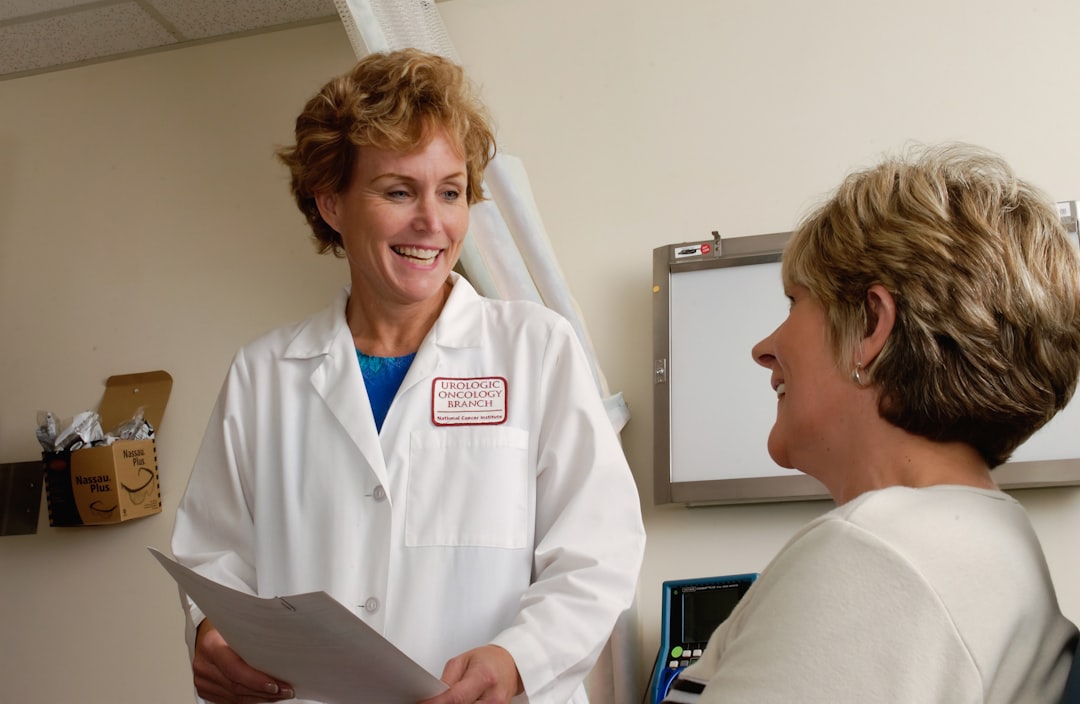
Photo by National Cancer Institute on Unsplash.
Medical Disclaimer: This article is AI-assisted and reviewed by the Vitalheros editorial team. It is provided for informational purposes only and is not a substitute for professional medical advice, diagnosis, or treatment. Always consult a qualified healthcare provider. Reviewed by The Vitalheros Editorial Team.