Precision Surgery: Removing Rare Pelvic Schwannomas While Preserving Vital Nerves
Some links in this article are affiliate links. As an Amazon Associate and partner of other programs, Vitalheros may earn a commission from qualifying purchases, at no extra cost to you. This never influences our editorial coverage.
The landscape of modern surgery is continually evolving, driven by innovations that prioritize both efficacy and patient well-being. A prime example of this advancement is the successful removal of rare pelvic schwannomas using nerve-sparing laparoscopic techniques. This sophisticated approach represents a significant leap forward, offering patients with complex tumors the prospect of comprehensive treatment with minimized impact on their quality of life.
Understanding Schwannomas: Benign Nerve Sheath Tumors
Schwannomas, also known as neurilemmomas, are typically benign (non-cancerous) tumors that originate from Schwann cells. These cells form the myelin sheath, a protective and insulating layer around nerves in the peripheral nervous system. While schwannomas can develop anywhere in the body where Schwann cells are present, they are relatively uncommon, accounting for a small percentage of all tumors.
Most schwannomas grow slowly and are often asymptomatic until they reach a size that begins to compress surrounding nerves or organs. When they do cause symptoms, these can vary widely depending on the tumor’s location and the specific nerves affected. Pain, numbness, tingling, or weakness in the area supplied by the nerve are common manifestations.
The Rarity and Complexity of Pelvic Schwannomas
While schwannomas are rare in general, their occurrence within the pelvis presents a unique set of challenges. The pelvic region is a densely packed anatomical area, home to a intricate network of vital nerves, blood vessels, and organs crucial for bladder, bowel, and sexual function, as well as leg mobility. A schwannoma in this location can potentially grow to significant size before detection, making its removal particularly delicate.
The proximity of these tumors to critical nerve bundles means that conventional surgical approaches carry a higher risk of nerve damage, which could lead to debilitating long-term complications. These complications might include incontinence, sexual dysfunction, or impaired sensation and movement in the lower limbs. Therefore, surgical planning and execution for pelvic schwannomas demand an extraordinary level of precision and expertise.
The Evolution of Surgical Precision: Minimally Invasive Approaches
For decades, the standard treatment for deep-seated tumors, including pelvic schwannomas, often involved open surgery. This traditional method typically requires a large incision to provide the surgeon with a direct view and access to the surgical site. While effective for tumor removal, open surgery is associated with greater post-operative pain, longer hospital stays, extended recovery periods, and more prominent scarring.
The advent of minimally invasive surgical techniques, such as laparoscopy, has revolutionized the treatment of many conditions. These techniques aim to achieve the same surgical goals as open surgery but with significantly less trauma to the patient’s body. For complex cases like pelvic schwannomas, integrating minimally invasive methods with advanced precision tools has become a game-changer.
Laparoscopic Surgery: A Minimally Invasive Advantage
Laparoscopic surgery, often referred to as ‘keyhole surgery,’ utilizes several small incisions rather than a single large one. Through these small openings, surgeons insert specialized instruments and a high-definition camera (laparoscope) that transmits a magnified view of the internal anatomy onto a monitor. This allows the surgical team to perform intricate procedures with enhanced visualization.
The benefits of laparoscopic surgery are substantial:
- Reduced Pain: Smaller incisions mean less tissue disruption and, consequently, less post-operative pain.
- Faster Recovery: Patients often experience shorter hospital stays and can return to their normal activities more quickly.
- Lower Risk of Infection: The reduced exposure of internal organs to the external environment can decrease the risk of surgical site infections.
- Less Scarring: The small incisions result in minimal and often barely noticeable scars.
For a tumor located in a sensitive area like the pelvis, these advantages are particularly pronounced, as they can significantly improve a patient’s immediate recovery and long-term comfort.
The Critical Role of Nerve-Sparing Techniques
While laparoscopic surgery addresses the ‘how’ of accessing the tumor with minimal invasion, the ‘what’ of preserving crucial nerve function is equally vital, especially for pelvic schwannomas. Nerve-sparing techniques are at the heart of modern neurosurgical and oncological approaches, emphasizing not just tumor removal but also the preservation of the patient’s neurological integrity and quality of life.
Precision Dissection and Intraoperative Monitoring
Nerve-sparing surgery for pelvic schwannomas involves meticulous dissection under high magnification. Surgeons carefully separate the tumor from the surrounding healthy nerve tissue. This often requires a deep understanding of neuroanatomy and highly refined surgical skills. In many cases, intraoperative nerve monitoring (IONM) is employed. IONM involves using specialized equipment to continuously assess the function of nerves during surgery. If a nerve is inadvertently stimulated or irritated, the monitoring system provides real-time feedback to the surgeon, allowing for immediate adjustments to prevent permanent damage.
This combination of advanced visualization, precise instrumentation, and real-time nerve monitoring significantly enhances the surgeon’s ability to remove the schwannoma completely while safeguarding the delicate neural structures responsible for vital bodily functions. The goal is to ensure that patients emerge from surgery with the tumor removed and their bladder, bowel, and sexual functions, as well as leg mobility, as intact as possible.
Implications for Patient Outcomes and Future Care
The successful application of nerve-sparing laparoscopic surgery for rare pelvic schwannomas underscores a broader trend in medicine: the pursuit of highly individualized and precision-focused treatments. This approach offers renewed hope for individuals diagnosed with such challenging conditions.
For patients, the implications are profound. Beyond the physical recovery, preserving critical nerve functions can prevent significant long-term disabilities that profoundly impact daily living. It means maintaining independence, dignity, and overall quality of life. This advancement highlights the importance of seeking care from specialized centers with multidisciplinary teams experienced in complex tumor resections and advanced minimally invasive techniques.
Conclusion
The removal of rare pelvic schwannomas through nerve-sparing laparoscopic surgery exemplifies the pinnacle of modern surgical innovation. By combining the benefits of minimally invasive access with meticulous nerve preservation strategies, surgeons can effectively address challenging tumors while prioritizing patient outcomes. This blend of cutting-edge technology and refined surgical skill continues to redefine what is possible in complex medical care, offering a pathway to recovery that minimizes disruption and maximizes long-term well-being.
Explore more in our Digital Health coverage.
🔬 Scientific Takeaway
Nerve-sparing laparoscopic surgery offers a highly effective and minimally invasive approach for removing rare pelvic schwannomas. This technique combines the benefits of reduced surgical trauma and faster recovery with meticulous preservation of vital nerves, crucial for maintaining a patient's bladder, bowel, sexual function, and mobility. Such advancements underscore the evolving precision in surgical oncology, leading to improved quality of life for patients with complex tumors.
Sources & References
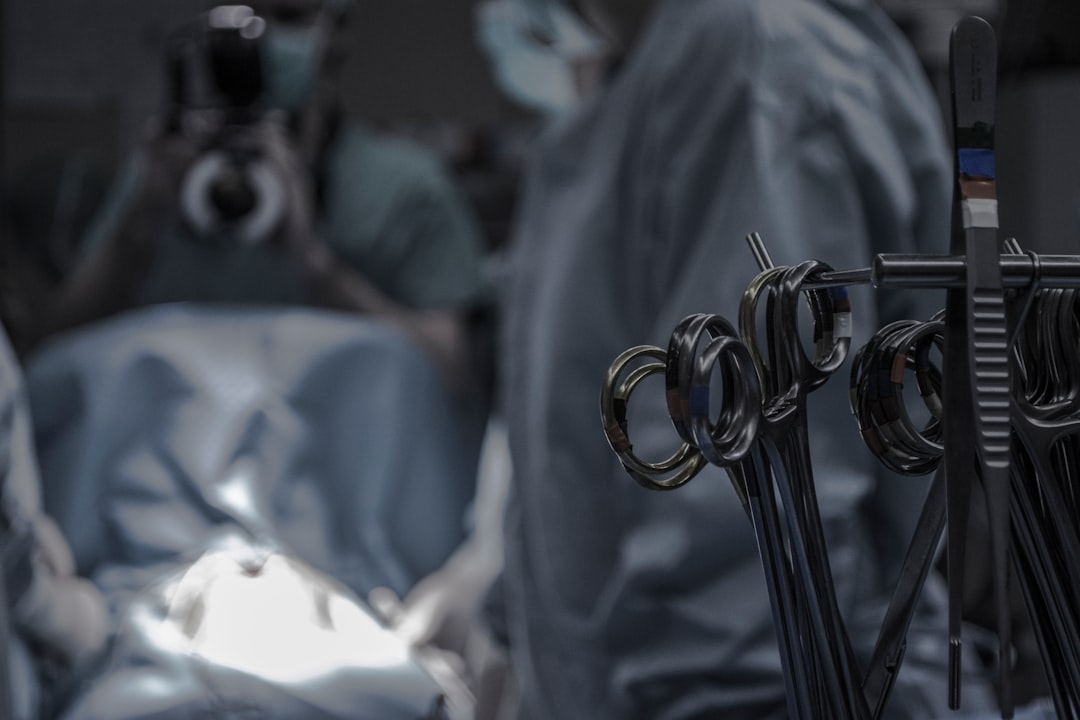
Photo by Piron Guillaume on Unsplash.
Medical Disclaimer: This article is AI-assisted and reviewed by the Vitalheros editorial team. It is provided for informational purposes only and is not a substitute for professional medical advice, diagnosis, or treatment. Always consult a qualified healthcare provider. Reviewed by The Vitalheros Editorial Team.