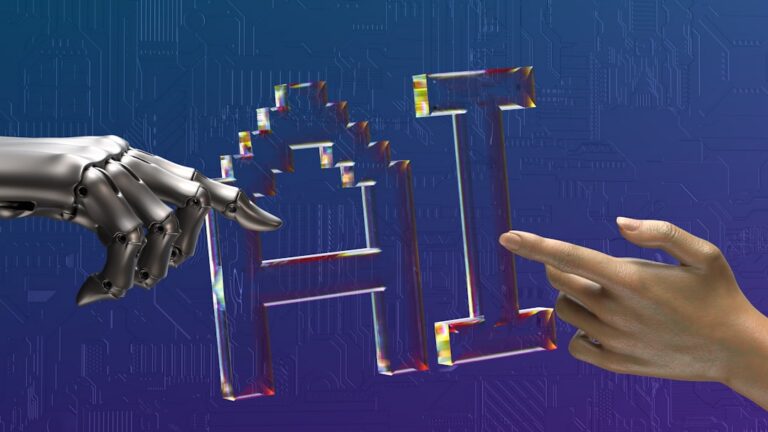
Rural Healthcare: Why Trust Outweighs Technology for Lasting Impact

Some links in this article are affiliate links. As an Amazon Associate and partner of other programs, Vitalheros may earn a commission from qualifying purchases, at no extra cost to you. This never influences our editorial coverage.
In an era brimming with technological marvels, it’s easy to assume that the next big digital innovation holds the key to solving our most intractable challenges, including those in healthcare. From AI diagnostics to remote monitoring and telehealth platforms, the promise of technology to bridge gaps in access and improve outcomes is compelling. However, for the often-underserved populations in rural areas, the equation isn’t quite so simple. While technology certainly has a vital role, evidence suggests that the fundamental ingredient for effective, sustainable rural healthcare isn’t a new gadget or software, but something far more human: trust.
The Unique Tapestry of Rural Health Challenges
Rural communities face a distinct set of healthcare hurdles that often go unrecognized in urban-centric policy discussions. Geographic isolation frequently translates to fewer healthcare providers, making access to even basic primary care a significant undertaking for residents. Specialist care can be hundreds of miles away, and emergency services may have extended response times.
- Provider Shortages: Many rural areas struggle to attract and retain doctors, nurses, and allied health professionals.
- Economic Disparities: Lower average incomes and higher rates of uninsured individuals can create financial barriers to care.
- Social Determinants: Issues like limited transportation, food insecurity, and lower educational attainment disproportionately impact health outcomes in rural settings.
- Aging Populations: Rural areas often have older populations with higher rates of chronic conditions, further straining limited resources.
These challenges create a complex environment where traditional, tech-first solutions may falter if they don’t account for the underlying social and economic realities.
Technology’s Role: Promise and Peril
Digital health tools offer undeniable advantages, particularly in areas where physical access to care is limited.
The Potential of Digital Solutions
- Telehealth: Virtual consultations can connect patients with specialists they might otherwise never see, reducing travel burdens and wait times.
- Remote Monitoring: Wearable devices and home sensors can track vital signs and chronic conditions, allowing for proactive intervention and reducing hospitalizations.
- Digital Health Records: Improved data sharing can enhance care coordination and reduce medical errors.
- Educational Resources: Online platforms can deliver health information and self-management tools directly to patients.
However, the efficacy of these tools in rural settings is heavily dependent on infrastructure and societal factors.
The Limitations and Unintended Consequences
Without careful implementation, technology can inadvertently widen existing health disparities.
- The Digital Divide: Many rural areas lack reliable, high-speed internet access, rendering telehealth and other online services inaccessible. Even with connectivity, the cost of devices and data plans can be prohibitive.
- Digital Literacy: A significant portion of the rural population, particularly older adults, may lack the skills or comfort level to navigate complex digital platforms, creating a barrier to adoption.
- Impersonal Care: While convenient, a purely virtual interaction can sometimes lack the nuance and human connection that many patients, especially those dealing with sensitive health issues, desire and need from their healthcare provider.
- Maintenance and Support: Small, independent rural clinics may not have the IT infrastructure or personnel to implement and maintain sophisticated technological solutions.
These factors underscore a critical point: technology is a powerful enabler, but it’s not a standalone solution. Its effectiveness is amplified or diminished by the human and social context in which it operates.
“Technology can bring care to people, but only trust brings people to care.”
– A leading expert in rural health policy (paraphrased)
Building Bridges: The Indispensable Role of Trust
For rural healthcare to truly thrive, the focus must shift to cultivating deep, enduring trust within communities. This isn’t just about individual patient-provider relationships, but about the entire healthcare system being perceived as a reliable, empathetic, and culturally competent partner.
Community Engagement and Cultural Competence
Effective rural healthcare providers often embed themselves within the community, understanding local values, traditions, and unique health concerns. This involves:
- Active Listening: Taking the time to understand community needs and priorities, rather than imposing external solutions.
- Respect for Local Culture: Acknowledging and respecting local customs, beliefs, and even traditional healing practices.
- Community Health Workers: Utilizing trusted local residents to act as liaisons, providing health education, and navigating complex healthcare systems.
When healthcare is delivered with an understanding of the local context, it fosters a sense of belonging and validates community experiences, which are crucial for building trust.
Consistent Presence and Relationship Building
In rural areas, continuity of care and stable provider relationships are highly valued. Patients often see the same doctor or nurse for years, developing a rapport that extends beyond medical consultations. This long-term relationship allows providers to understand a patient’s full life context, including their family, work, and social environment, which is vital for holistic care. A provider who is consistently present and visible in the community — perhaps even living there — builds invaluable credibility.
Addressing Social Determinants of Health
True trust is built when healthcare providers and systems demonstrate a commitment to the overall well-being of the community, not just clinical outcomes. This means actively addressing social determinants of health, such as:
- Transportation: Collaborating with community groups to ensure patients can get to appointments.
- Food Security: Connecting patients with food banks or healthy eating initiatives.
- Housing: Identifying and assisting with housing instability, which profoundly impacts health.
- Education: Supporting local educational initiatives that can improve health literacy and economic opportunities.
When healthcare extends its reach to these foundational aspects of life, it signals a deeper commitment that resonates profoundly within rural communities.
Harmonizing Innovation with Human Connection
The message isn’t to abandon technology, but to integrate it thoughtfully. Technology should serve as a powerful augment to human connection, not a replacement. For instance, telehealth can be most effective when it supports a local primary care provider, allowing them to consult with specialists without requiring the patient to travel. Digital tools can streamline administrative tasks, freeing up local providers to spend more quality time with patients.
Ultimately, the most successful rural healthcare models will be those that prioritize building and maintaining trust through empathy, cultural understanding, and a commitment to the community’s holistic well-being. Technology, when applied strategically and with a human-centric approach, can then amplify these efforts, helping to deliver high-quality, accessible care that truly meets the needs of rural populations.
Explore more in our Digital Health coverage.
🔬 Scientific Takeaway
Effective rural healthcare delivery hinges less on advanced technology alone and more on deeply embedded community trust. While digital tools can enhance access and efficiency, their impact is limited without strong patient-provider relationships, cultural competence, and addressing social determinants of health. A human-centric approach that prioritizes understanding and engagement is crucial for sustainable health improvements in remote areas.
Sources & References
Photo by National Cancer Institute on Unsplash.
Medical Disclaimer: This article is AI-assisted and reviewed by the Vitalheros editorial team. It is provided for informational purposes only and is not a substitute for professional medical advice, diagnosis, or treatment. Always consult a qualified healthcare provider. Reviewed by The Vitalheros Editorial Team.