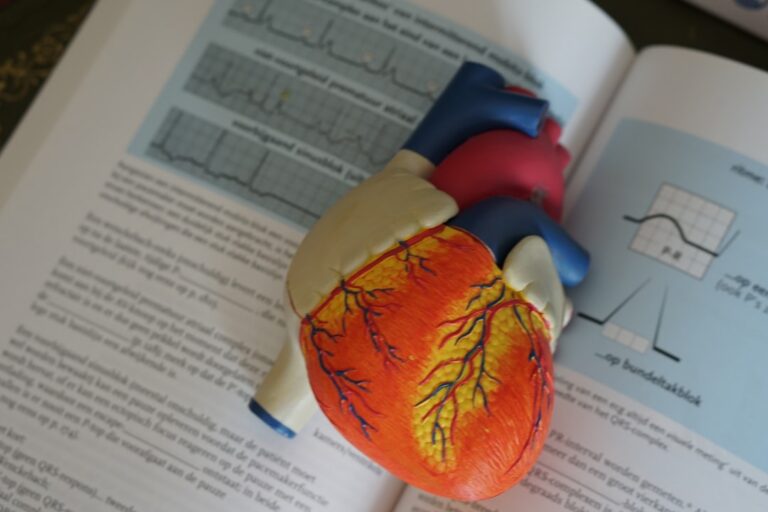
GLP-1 Medications: A New Frontier in Treating Substance Use Disorders?
Some links in this article are affiliate links. As an Amazon Associate and partner of other programs, Vitalheros may earn a commission from qualifying purchases, at no extra cost to you. This never influences our editorial coverage.
Unlocking New Potential: GLP-1s Beyond Diabetes and Weight Loss
For years, Glucagon-Like Peptide-1 (GLP-1) receptor agonists have been heralded as transformative treatments for type 2 diabetes and, more recently, for chronic weight management. Medications like semaglutide and liraglutide have reshaped how we approach metabolic health, offering significant improvements in blood sugar control and sustainable weight reduction. However, a fascinating new dimension of their therapeutic potential is now coming into focus: their possible role in mitigating the risk of substance use disorders (SUDs).
This emerging area of research suggests that the influence of GLP-1 medications extends beyond their well-established metabolic effects, potentially tapping into the complex neurobiology of addiction. While still in its early stages, this line of inquiry offers a glimmer of hope for novel strategies in addressing a broad spectrum of SUDs, from alcohol to nicotine and even opioids.
Understanding GLP-1s: More Than Just Metabolic Regulators
GLP-1 is a naturally occurring hormone produced in the gut that plays a crucial role in regulating appetite, satiety, and blood glucose. GLP-1 receptor agonists mimic the action of this hormone, leading to several key physiological effects:
- Enhanced Insulin Secretion: They stimulate insulin release in a glucose-dependent manner, helping to lower blood sugar.
- Slowed Gastric Emptying: This contributes to a feeling of fullness and reduces post-meal blood sugar spikes.
- Reduced Appetite and Increased Satiety: By acting on appetite centers in the brain, they help individuals feel fuller for longer and reduce food cravings.
It’s this last point—the influence on brain pathways related to appetite and reward—that has piqued the interest of researchers exploring their potential in addiction.
The Brain’s Reward System: A Shared Pathway
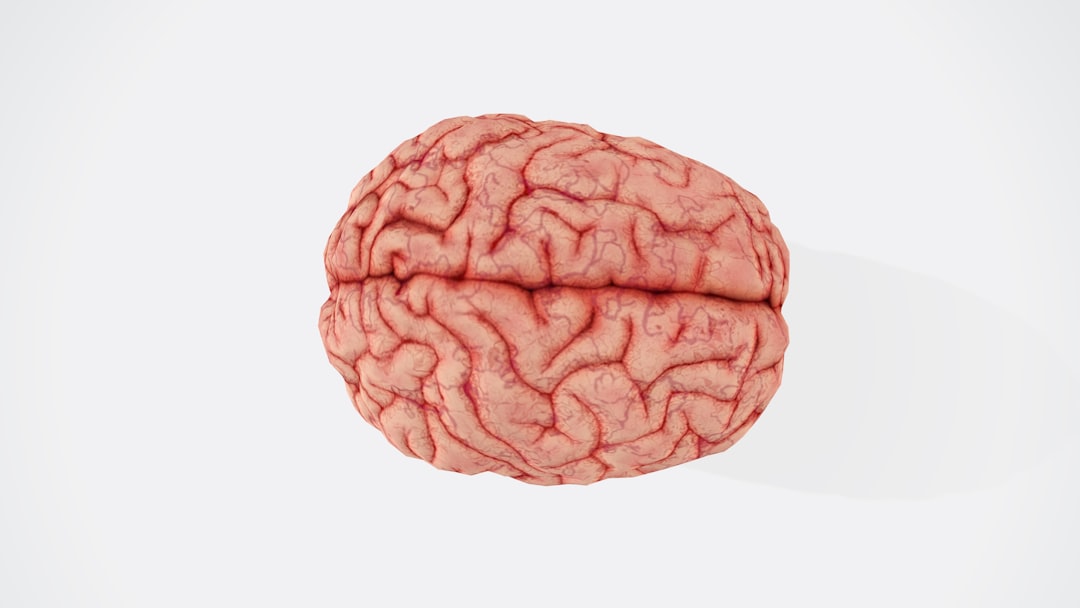
At the heart of both food cravings and substance use disorders lies the brain’s reward system, particularly the mesolimbic dopamine pathway. This intricate network of neurons is responsible for processing pleasure, motivation, and reward. When we engage in behaviors essential for survival, like eating or social interaction, this system releases dopamine, reinforcing those behaviors.
Substances of abuse hijack this natural reward system, leading to an exaggerated dopamine release that can drive compulsive seeking and consumption, ultimately contributing to addiction. Similarly, highly palatable foods can overstimulate this system, contributing to addictive-like eating behaviors.
Emerging evidence suggests that GLP-1 receptors are not only present in areas of the brain that control appetite but also in regions critical for reward processing and motivation, including the ventral tegmental area (VTA) and the nucleus accumbens. This anatomical overlap provides a compelling biological rationale for why GLP-1 agonists might influence behaviors related to substance use.
Modulating Dopamine and Cravings
Research indicates that GLP-1 receptor activation can modulate dopamine signaling in these reward pathways. By influencing dopamine release and sensitivity, GLP-1 medications may dampen the intense reward signals associated with substance use, potentially reducing cravings and the drive to seek out substances. This mechanism is thought to be analogous to how these medications reduce food cravings and promote satiety, making food less rewarding.
Early Insights: GLP-1s and Substance Use Disorders
While large-scale, randomized controlled trials specifically designed to evaluate GLP-1 medications for SUDs are still needed, preliminary data from observational studies and preclinical research offer intriguing insights:
- Alcohol Use Disorder: Several studies have hinted at a potential reduction in alcohol consumption and craving among individuals taking GLP-1 agonists for diabetes or weight loss. Animal models have also shown promising results, with GLP-1 activation reducing alcohol intake.
- Nicotine Dependence: Anecdotal reports and some early research suggest that GLP-1 medications might help reduce nicotine cravings, although more robust studies are required to confirm this effect.
- Opioid and Stimulant Use: While less data is available, the fundamental mechanism of modulating the reward pathway suggests a broader potential across various SUDs, including those involving opioids and stimulants. The shared neurological underpinnings of addiction make this a fertile ground for future investigation.
It’s crucial to emphasize that these findings are exploratory. They do not yet establish GLP-1 medications as a standard treatment for SUDs, but they certainly open a significant avenue for further scientific inquiry.
“The ability of GLP-1 agonists to influence the brain’s reward circuitry suggests a fascinating potential beyond their current metabolic indications. This could represent a paradigm shift in how we approach the neurobiological underpinnings of addiction.”
Implications for Future Treatment Strategies
Should future research confirm the efficacy of GLP-1 medications in treating or preventing SUDs, the implications could be profound. These medications could offer a new pharmacological tool in the comprehensive management of addiction, potentially alongside behavioral therapies and other established treatments. Given the high rates of comorbidity between metabolic disorders and SUDs, a single medication addressing both could offer significant advantages.
However, it is vital to proceed with caution. The journey from promising research to approved clinical application is long and rigorous. Extensive clinical trials are necessary to:
- Determine specific efficacy for different SUDs.
- Identify optimal dosing strategies.
- Understand potential side effects in this new patient population.
- Assess long-term outcomes and safety.
For now, GLP-1 medications are approved for type 2 diabetes and chronic weight management. Any off-label use for SUDs would be unsupported by current regulatory approvals and clinical guidelines.
The Road Ahead
The emerging link between GLP-1 medications and substance use disorders underscores the intricate connections between metabolic health and brain function. As our understanding of these powerful compounds deepens, we may uncover entirely new therapeutic applications that could significantly impact public health. The potential for GLP-1 agonists to offer a novel approach to a wide range of challenging conditions continues to expand, marking an exciting chapter in medical research.
Explore more in our Digital Health coverage.
🔬 Scientific Takeaway
Emerging research suggests that GLP-1 receptor agonists, known for treating diabetes and obesity, may also reduce the risk of various substance use disorders. This potential benefit is hypothesized to stem from their ability to modulate dopamine and reward pathways in the brain, similar to how they reduce food cravings. While promising, these findings are preliminary and necessitate rigorous clinical trials to establish efficacy and safety for this new application.
Sources & References
Photo by BUDDHI Kumar SHRESTHA on Unsplash.
Medical Disclaimer: This article is AI-assisted and reviewed by the Vitalheros editorial team. It is provided for informational purposes only and is not a substitute for professional medical advice, diagnosis, or treatment. Always consult a qualified healthcare provider. Reviewed by The Vitalheros Editorial Team.