Engineered Hookworms: A Surprising New Frontier in Drug Delivery
Some links in this article are affiliate links. As an Amazon Associate and partner of other programs, Vitalheros may earn a commission from qualifying purchases, at no extra cost to you. This never influences our editorial coverage.
The Enduring Challenge of Drug Delivery
For many chronic and complex diseases, the primary hurdle isn’t necessarily the lack of effective therapeutic agents, but rather the challenge of delivering them precisely and sustainably to the body. Traditional methods, such as pills or injections, often face limitations. Oral medications can be degraded by the digestive system, while frequent injections can be inconvenient, painful, and prone to adherence issues. This persistent challenge drives scientists to explore increasingly innovative, even unconventional, solutions.
One such groundbreaking area of research involves repurposing living organisms as miniature, self-sustaining drug delivery systems. Imagine a therapeutic agent not administered by a syringe or a pill, but continuously produced and secreted by a carefully engineered biological entity residing within the body. While this concept might sound like science fiction, recent advancements are bringing it closer to reality, with early successes demonstrated in animal models using a surprising candidate: the hookworm.
Repurposing a Parasite: The Hookworm’s Potential
Hookworms are intestinal parasites that have co-existed with humans and animals for millennia. While naturally associated with disease in their parasitic form, their unique biological characteristics make them intriguing subjects for biotechnological innovation. These tiny worms attach to the lining of the small intestine, feeding on blood and secreting various molecules to modulate the host’s immune response and prevent blood clotting. It is this natural ability to reside in the gut and continuously release biological compounds that has captured the attention of researchers.
Scientists have long studied the complex interactions between parasites and their hosts, often seeking ways to combat infections. However, a paradigm shift is occurring, where the very mechanisms parasites use to survive within a host are being re-evaluated for therapeutic potential. The idea is not to introduce pathogenic worms, but to genetically modify them to become benign, therapeutic agents.
How Genetic Engineering Transforms the Hookworm
The core of this innovation lies in genetic engineering. By precisely altering the hookworm’s genetic code, scientists can instruct these organisms to produce specific therapeutic proteins or other beneficial molecules, rather than the compounds they naturally secrete to facilitate their parasitic lifestyle. In essence, the hookworm is transformed from a pathogen into a living bioreactor, capable of synthesizing and releasing medicine directly into the host’s system.
The recent success in animal hosts marks a significant milestone. It demonstrates the feasibility of taking a naturally occurring organism, modifying its biological function, and harnessing it for a completely new, beneficial purpose. This proof-of-concept opens doors to a novel method of drug delivery that could overcome many limitations of current approaches.
Potential Advantages of Bio-Engineered Drug Delivery
The use of genetically modified hookworms for medicine delivery, particularly in animal models, suggests several compelling advantages that could, with further research, translate into significant advancements for various conditions:
- Sustained Release: Unlike a single dose of medication, engineered hookworms could potentially provide continuous, long-term delivery of a therapeutic agent, removing the need for frequent administration. This could be particularly valuable for chronic diseases requiring ongoing treatment.
- Localized Delivery: Residing in the gut, these bio-engineered entities could deliver therapies directly to the intestinal lining, which might be beneficial for conditions affecting the gastrointestinal tract or for systemic therapies absorbed through the gut.
- Bypassing Degradation: Many protein-based drugs are easily broken down by the digestive system if taken orally. By having the hookworm produce and release the medicine directly within the host, this degradation could be circumvented, preserving the drug’s efficacy.
- Reduced Systemic Side Effects: Depending on the therapeutic target and absorption, localized production and release might reduce the systemic concentration of a drug, potentially minimizing off-target side effects.
Navigating the Path Forward: Challenges and Considerations
While the concept of genetically modified hookworms as drug delivery vehicles is promising, it is crucial to acknowledge that this research is in its nascent stages, particularly as it pertains to its eventual applicability beyond animal models. There are significant scientific, ethical, and public perception challenges that must be rigorously addressed:
- Safety and Immunogenicity: Ensuring that the modified hookworms are entirely safe, non-pathogenic, and do not elicit an adverse immune response in the long term is paramount. The body’s natural tendency to reject foreign organisms must be carefully managed.
- Dosage Control: Precisely controlling the amount of therapeutic agent produced and released by the worms over time will be critical for effective and safe treatment.
- Ethical and Regulatory Hurdles: The use of a genetically modified organism, particularly a former parasite, will undoubtedly face intense scrutiny from regulatory bodies and the public. Clear ethical frameworks and robust safety data will be essential.
- Public Acceptance: The idea of intentionally introducing a modified hookworm into the body might be met with apprehension. Extensive education and transparent communication will be necessary if this technology ever progresses towards human application.
- Host Specificity: The success in animal hosts may not directly translate to humans due to biological differences, requiring extensive further research.
The journey from a proof-of-concept in animal models to a viable human therapy is long and complex. Each step requires meticulous research, stringent safety testing, and careful consideration of all potential implications.
The Future of Bio-Integrated Therapies
The success in utilizing genetically modified hookworms to deliver medicine to animal hosts represents a fascinating leap in the field of bio-integrated therapies. It underscores a broader trend in medical science: looking beyond conventional pharmaceuticals to harness the intricate biological machinery of living systems for therapeutic benefit. While the vision of engineered parasites as drug factories is still distant for human medicine, this research opens up entirely new avenues for exploring sustained and targeted drug delivery.
As scientists continue to unravel the complexities of host-parasite interactions and advance genetic engineering techniques, we may see a future where living organisms, meticulously designed and controlled, play an integral role in maintaining health and treating disease. For now, this innovative work in animal models serves as a powerful testament to human ingenuity and the boundless potential residing within the natural world, even in its most unexpected forms.
Explore more in our Digital Health coverage.
🔬 Scientific Takeaway
Recent research demonstrates the successful use of genetically modified hookworms to deliver therapeutic agents in animal hosts. This innovative approach harnesses the natural ability of hookworms to reside in the intestine and continuously secrete molecules, repurposing them as living bioreactors for sustained drug delivery. While promising, this early-stage research in animal models requires extensive further investigation into safety, efficacy, and ethical considerations before any potential human applications could be considered.
Sources & References
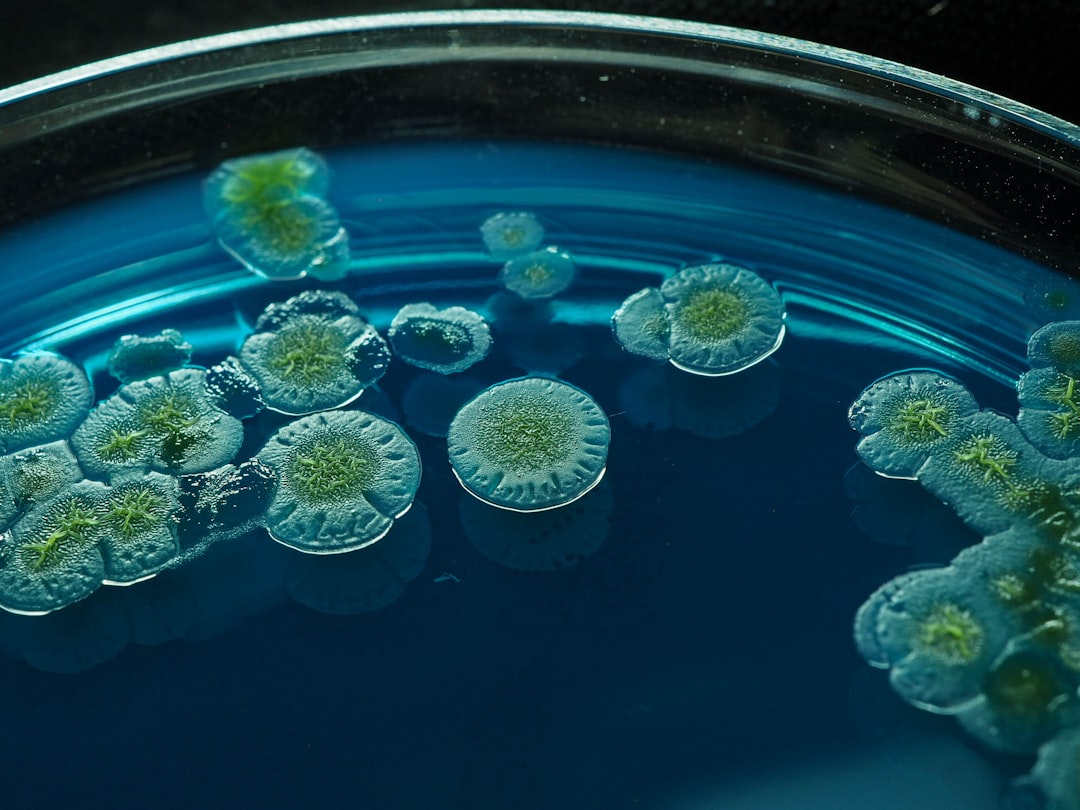
Photo by masakazu sasaki on Unsplash.
Medical Disclaimer: This article is AI-assisted and reviewed by the Vitalheros editorial team. It is provided for informational purposes only and is not a substitute for professional medical advice, diagnosis, or treatment. Always consult a qualified healthcare provider. Reviewed by The Vitalheros Editorial Team.