Mastering LinkedIn: A Strategic Guide for Healthcare Professionals

Some links in this article are affiliate links. As an Amazon Associate and partner of other programs, Vitalheros may earn a commission from qualifying purchases, at no extra cost to you. This never influences our editorial coverage.
In an increasingly interconnected professional world, platforms like LinkedIn have become indispensable tools for career advancement across virtually every industry. For healthcare professionals, navigating this digital landscape effectively is not merely an option but a strategic imperative. Beyond being a simple online resume, LinkedIn offers a dynamic ecosystem for networking, professional development, and identifying opportunities within the competitive and rapidly evolving healthcare sector.
Vitalheros.com understands that a robust online presence can significantly impact a healthcare career trajectory. This guide delves into how medical, administrative, and allied health professionals can leverage LinkedIn to its fullest potential, transforming it from a static profile into a powerful engine for growth and connection.
Optimizing Your LinkedIn Profile for Healthcare Success
Your LinkedIn profile is often the first impression you make on potential employers, collaborators, and professional peers. For healthcare, this means showcasing not just your qualifications but also your unique approach to patient care, your specialized skills, and your commitment to the field’s ethical standards.
Crafting a Compelling Headline and Summary
Your headline, visible to everyone, should be concise yet impactful. Instead of a generic job title, consider one that highlights your specialization and aspirations. For example, ‘Registered Nurse | Oncology Specialist | Patient Advocacy Leader’ or ‘Healthcare Administrator | Digital Transformation Advocate | Operational Efficiency Expert’.
The ‘About’ section, or summary, is your opportunity to tell your professional story. Use this space to articulate your passion for healthcare, your key accomplishments, and the value you bring. Incorporate relevant keywords that hiring managers might use – terms like ‘EHR proficiency,’ ‘telemedicine implementation,’ ‘patient-centered care,’ or ‘population health management’ – to enhance discoverability.
Showcasing Specialized Skills and Experiences
Detail your work experience with a focus on quantifiable achievements and specific responsibilities relevant to healthcare. Instead of simply listing duties, describe how you made a difference. Did you improve patient outcomes? Streamline a clinical process? Lead a successful team? Be specific.
The ‘Skills’ section is crucial. Populate it with both technical skills (e.g., specific medical devices, software, clinical procedures) and soft skills (e.g., communication, empathy, leadership). Actively seek endorsements from colleagues and supervisors for these skills, as this adds credibility.
The Power of Recommendations and Certifications
Recommendations from former managers, professors, or senior colleagues carry significant weight. These testimonials offer third-party validation of your work ethic, expertise, and character. Don’t hesitate to politely request recommendations from those who can speak to your professional strengths.
Similarly, ensure all relevant licenses, certifications, and academic achievements are prominently displayed. This includes medical licenses, board certifications, advanced degrees, and specialized training (e.g., ACLS, PALS, CPHIMS). This section assures recruiters and peers of your qualifications and commitment to ongoing professional development.
Strategic Networking in the Healthcare Landscape
LinkedIn is fundamentally a networking platform. For healthcare professionals, this means building relationships that can lead to mentorship, collaborative projects, or future opportunities. It’s about connecting with individuals who share your professional interests and can offer insights into the evolving healthcare ecosystem.
Connecting with Industry Leaders and Peers
Identify and follow thought leaders, innovators, and influential figures within your specific healthcare niche. Engage with their posts through thoughtful comments, demonstrating your understanding and interest. Send personalized connection requests, referencing a shared interest or a recent article they published, rather than generic invitations.
Join relevant LinkedIn Groups focusing on specific medical specialties, healthcare administration, digital health, or public health. These groups are excellent forums for discussing challenges, sharing best practices, and connecting with like-minded professionals globally.
Engaging with Healthcare Content
Beyond passively consuming content, actively participate. Share articles from reputable sources (like Vitalheros.com!) that are relevant to your field, add your own analysis, or pose questions to stimulate discussion. This positions you as an engaged, knowledgeable professional and increases your visibility within your network.
Consider publishing your own articles or short posts on LinkedIn. Share insights from your experiences, discuss emerging trends, or offer perspectives on patient care. This content creation can help establish your personal brand and expertise.
Proactive Job Searching and Application Strategies
LinkedIn’s job search functionality is robust, offering tools that can significantly streamline your hunt for new opportunities in healthcare.
Utilizing LinkedIn’s Job Search Features
The ‘Jobs’ section allows you to filter by industry, location, job title, experience level, and even specific skills. Set up job alerts for roles that match your criteria, ensuring you’re notified as soon as new opportunities arise. Pay attention to jobs posted by your connections, as an internal referral can often provide an advantage.
Researching Prospective Employers
Before applying, thoroughly research potential employers by visiting their LinkedIn company pages. Look at their mission, values, recent news, and the profiles of their employees. This insight can help you tailor your application materials and prepare for interviews, demonstrating a genuine interest and understanding of their organization’s culture and goals.
The Art of the Direct Message
If you identify a role or organization of interest, consider reaching out to a current employee or a recruiter within that company (if you have a mutual connection or if their profile indicates they are open to messages). A polite, concise message inquiring about the company culture or the role can provide valuable insights and potentially open doors. Always be respectful of their time and clearly state your purpose.
Beyond the Job Search: Continuous Professional Development
LinkedIn’s utility extends far beyond securing your next position. It’s a platform for continuous learning, staying current, and building a lasting professional legacy.
Staying Current with Industry Trends
Follow leading healthcare organizations, research institutions, and industry publications. Your LinkedIn feed can become a curated source of news and insights, helping you stay informed about the latest advancements, policy changes, and technological innovations impacting healthcare.
Building Your Personal Brand and Expertise
Consistently engaging with your network, sharing valuable content, and contributing to discussions helps solidify your personal brand. Over time, you can become recognized as an expert in your niche, leading to speaking engagements, consulting opportunities, or invitations to participate in important professional initiatives. This ongoing engagement fosters a reputation that can serve your career for years to come.
In essence, LinkedIn is more than a digital resume; it’s a dynamic, evolving professional ecosystem. For healthcare professionals, mastering its nuances can unlock unparalleled opportunities for career growth, meaningful connections, and sustained professional influence in a field that demands constant evolution and dedication.
Explore more in our Digital Health coverage.
🔬 Scientific Takeaway
LinkedIn serves as a powerful, dynamic platform for healthcare professionals to not only seek new opportunities but also to cultivate their professional brand, network effectively, and stay abreast of industry developments. Strategic profile optimization, active engagement, and targeted networking are key to leveraging its full potential in a competitive healthcare job market. Utilizing features like job alerts, company research, and direct messaging can significantly enhance career prospects and foster continuous professional growth.
Sources & References
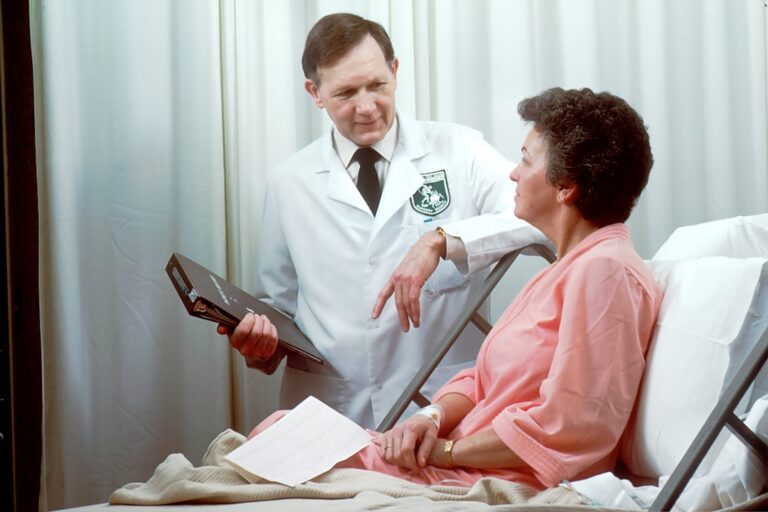
Photo by National Cancer Institute on Unsplash.
Medical Disclaimer: This article is AI-assisted and reviewed by the Vitalheros editorial team. It is provided for informational purposes only and is not a substitute for professional medical advice, diagnosis, or treatment. Always consult a qualified healthcare provider. Reviewed by The Vitalheros Editorial Team.