The Table Salt Habit: New Insights into Cognitive Health and Aging
Some links in this article are affiliate links. As an Amazon Associate and partner of other programs, Vitalheros may earn a commission from qualifying purchases, at no extra cost to you. This never influences our editorial coverage.
In the pursuit of longevity and sustained vitality, every dietary choice holds significance. While much attention is rightly paid to the sodium hidden in processed foods, a recent large-scale study sheds light on a more direct, yet often overlooked, contributor to our overall sodium intake: the salt shaker on the table. This research, focusing on a substantial cohort of older adults in Brazil, offers compelling insights into persistent dietary habits and their potential implications for cognitive health and well-being as we age.
Understanding Sodium’s Impact on Longevity
Sodium is an essential mineral, crucial for nerve function, muscle contraction, and maintaining fluid balance. However, in modern diets, sodium intake often far exceeds physiological needs, with significant health repercussions. High sodium consumption is a well-established risk factor for hypertension (high blood pressure), which in turn increases the risk of heart disease, stroke, and kidney issues. Emerging research also suggests a more insidious link between excessive sodium and cognitive health.
The Brain-Sodium Connection
Beyond its cardiovascular effects, chronic high sodium intake has been increasingly implicated in accelerated cognitive decline. Research indicates that hypertension, often fueled by excess sodium, can negatively impact cerebral blood flow and the integrity of brain structures, potentially contributing to conditions like vascular dementia and exacerbating age-related cognitive impairment. Therefore, understanding and managing sodium intake is not just about heart health, but also about preserving mental acuity well into our later years.
A Closer Look at the Brazilian Study
The study in question involved over 8,300 older adults residing in Brazil, providing a robust dataset for examining dietary behaviors within an aging population. Researchers aimed to identify patterns in table salt usage and correlate these habits with various demographic and lifestyle factors. The sheer scale of the study lends considerable weight to its findings, offering a snapshot of real-world dietary practices.
Key Revelations: Persistent Habits and Gender Differences
One of the study’s most striking findings was the persistence of the habit of adding extra salt at the table, even among older adults. This suggests that despite widespread public health campaigns advocating for reduced sodium intake, ingrained behaviors can be remarkably resilient.
- Men’s Consistent Habit: The research observed that men were particularly prone to consistently adding extra salt to their meals. This pattern appeared to be less influenced by other lifestyle factors compared to women.
- Women’s Habits Linked to Lifestyle: Interestingly, women’s salt-shaking habits showed a stronger connection to broader lifestyle and dietary patterns. This suggests that for women, the decision to add extra salt might be more intertwined with their overall food choices, cooking practices, or perhaps even their awareness of dietary recommendations.
These gender-specific observations highlight the complexity of dietary behavior and suggest that targeted public health interventions might need to consider different approaches for men and women.
Beyond the Shaker: A Holistic View of Sodium
While the study focuses on table salt, it’s crucial to remember that the majority of dietary sodium for many individuals comes from processed and pre-packaged foods. Bread, processed meats, cheeses, canned soups, and fast food items are often significant, and sometimes surprising, sources of sodium. The table salt habit, however, represents a direct and conscious addition, offering a clear opportunity for behavioral change.
"The salt shaker on the table is a tangible symbol of our relationship with flavor and health. This study reminds us that even small, consistent habits can have long-term implications, especially as we strive to protect our cognitive vitality."
Strategies for Mindful Sodium Intake
Reducing sodium doesn’t mean sacrificing flavor. It’s about cultivating new habits and exploring alternative ways to enhance your meals. For older adults, in particular, adopting these strategies can be a powerful step towards safeguarding both cardiovascular and cognitive health.
1. Read Food Labels Diligently
Become an expert label reader. Pay attention to the "Nutrition Facts" panel, specifically the sodium content. Aim for foods labeled "low sodium" (140 mg or less per serving) or "no added salt."
2. Cook More at Home
When you prepare meals yourself, you have complete control over the ingredients. Use fresh, whole foods and season with herbs, spices, citrus, and vinegars instead of relying heavily on salt.
3. Rethink the Salt Shaker
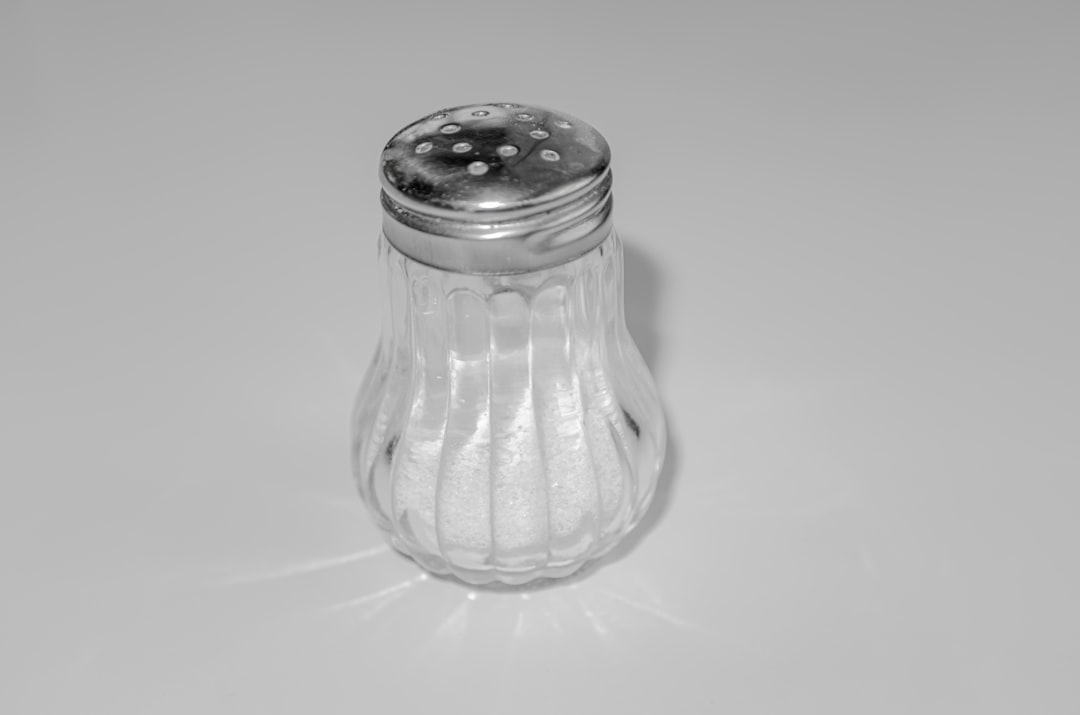
If you’re accustomed to adding salt at the table, try tasting your food first. Often, it’s already adequately seasoned. Gradually reduce the amount you add, or remove the shaker entirely as a visual reminder.
4. Explore Flavor Enhancers
Discover the rich world of herbs like rosemary, thyme, oregano, and basil. Spices such as paprika, cumin, garlic powder, and onion powder can add depth without sodium. A squeeze of lemon or lime juice can also brighten flavors.
5. Be Wary of "Hidden" Sodium
Even foods that don’t taste salty can be high in sodium. Check condiments, sauces, dressings, and even sweet baked goods. Opt for reduced-sodium versions when available.
The Takeaway for Lifelong Health
This Brazilian study serves as a valuable reminder that our dietary habits, even seemingly minor ones like reaching for the salt shaker, carry significant weight over a lifetime. For older adults, understanding these patterns and making conscious adjustments to sodium intake is not merely about managing blood pressure; it’s a vital component of a holistic strategy for maintaining cognitive function and overall well-being as the years progress. By being more mindful of both overt and hidden sources of sodium, we can empower ourselves to make choices that support a longer, healthier, and more vibrant life.
Explore more in our Nutrition & Performance coverage.
🔬 Scientific Takeaway
A large study of older adults in Brazil revealed that adding extra salt at the table remains a common habit, particularly among men. While women's salt-shaking habits were more closely tied to lifestyle and diet, this consistent sodium addition is a concern given its links to serious health problems and accelerated cognitive decline. The findings underscore the importance of targeted public health strategies to encourage reduced sodium intake for improved longevity and cognitive vitality.
Sources & References
Photo by Олександр К on Unsplash.
Medical Disclaimer: This article is AI-assisted and reviewed by the Vitalheros editorial team. It is provided for informational purposes only and is not a substitute for professional medical advice, diagnosis, or treatment. Always consult a qualified healthcare provider. Reviewed by The Vitalheros Editorial Team.