Unlocking Dental Longevity: Senolytics Combat Tooth Aging

Some links in this article are affiliate links. As an Amazon Associate and partner of other programs, Vitalheros may earn a commission from qualifying purchases, at no extra cost to you. This never influences our editorial coverage.
The Unseen Battle: How Teeth Age
When we consider the effects of aging, our thoughts often turn to wrinkles, gray hair, or perhaps the creaking of joints. Yet, a less visible but equally significant battle wages within our mouths: the aging of our teeth. Far from being inert structures, teeth are dynamic tissues that, like other parts of our body, undergo age-related changes. Over time, they can become more brittle, susceptible to fractures, and less capable of self-repair. This phenomenon, while extensively documented in its physical manifestations, has only recently begun to receive focused scientific attention within the dental community.
For decades, the precise mechanisms driving tooth aging remained largely elusive. However, groundbreaking research is now shedding light on these intricate processes, pointing to a familiar culprit in the broader geroscience landscape: senescent cells. These so-called ‘zombie cells’ accumulate with age, contributing to various forms of tissue dysfunction and disease throughout the body, and it appears our teeth are no exception.
The Dental Pulp: A Vital but Vulnerable Core
At the heart of every tooth lies the dental pulp, a soft tissue rich in blood vessels, nerves, and specialized cells known as mesenchymal stromal cells (MSCs). These MSCs are crucial for the tooth’s maintenance and repair, constantly working to produce dentin, the hard tissue beneath the enamel. As we age, the dental pulp undergoes irreversible changes, impairing its capacity for renewal. This decline in regenerative ability is a key factor in why older teeth become brittle and prone to damage, as dentinogenesis (the formation of new dentin) falters.
Scientists have long observed these age-associated issues, but understanding their underlying drivers has been a significant challenge. The recent study utilized a sophisticated array of techniques, including advanced 3D imaging, genetic tools, and molecular analyses, to probe the depths of tooth aging.
NFATC1: A Crucial Regulator of Dental Health
A pivotal discovery from this research involved a specific protein called NFATC1. The study identified that a loss of NFATC1 activity in the dental pulp MSCs acts as a significant driver of tooth aging. Essentially, when NFATC1 activity wanes, it sets off a cascade of events that leads to the dysfunction and degeneration of the dental pulp.
In experiments involving young adult mice, researchers demonstrated that inducing a loss of NFATC1 activity prematurely accelerated tooth aging, mimicking the effects seen in naturally aging teeth. This finding solidified NFATC1’s role as a critical regulator, confirming its decline as a direct cause of age-associated pulpal degeneration and a reduced capacity for regeneration.
The implications are profound: understanding this molecular switch provides a concrete target for interventions aimed at preserving dental health.
Senescent Cells: The ‘Zombie’ Threat to Your Smile
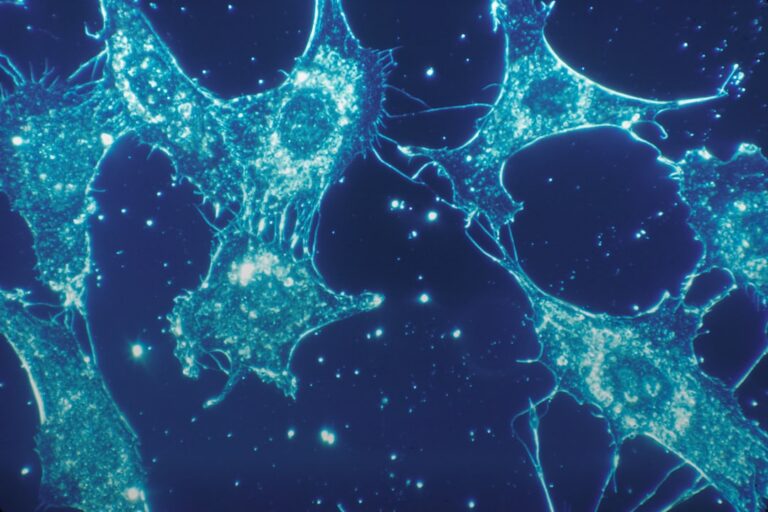
The research didn’t stop at identifying NFATC1. It delved deeper, revealing that the loss of NFATC1 activity and the subsequent age-related dysfunction in tooth maintenance are, in large part, a downstream consequence of the presence of senescent cells within the dental pulp tissue. These senescent dental pulp MSCs, much like senescent cells found in other tissues, create a local inflammatory and degenerative environment that impairs the tissue’s ability to repair itself.
Senescent cells are often referred to as ‘zombie cells’ because, while they don’t die, they stop dividing and instead secrete a cocktail of inflammatory molecules that damage surrounding healthy cells and impede tissue function. Their accumulation is a hallmark of aging and contributes to a wide range of age-related diseases.
Senolytics: A New Frontier for Dental Longevity
The most exciting aspect of this research lies in its potential for therapeutic intervention. The study demonstrated that senolytic therapies — compounds designed to selectively clear senescent cells — were remarkably effective. By eliminating senescent dental pulp MSCs, senolytics were shown to:
- Ameliorate pulpal degeneration: Reducing the breakdown and decline of the dental pulp tissue.
- Restore regenerative capacity: Reinvigorating the tooth’s natural ability to repair itself and produce new dentin.
- Preserve vital teeth: Counteracting the age-related brittleness and vulnerability to damage.
This finding aligns with other research in geroscience, which has shown that clearing senescent cells in tissues like bone can improve repair and function in aged organisms. The parallel suggests a fundamental, shared mechanism of aging across different tissues.
The Future of Dental Care: Beyond Fillings and Crowns
The recognition of tooth aging as a distinct pathological process, rather than simply wear and tear, is a relatively recent development in dentistry. For decades, dental interventions primarily focused on repairing damage after it occurred. However, there is a growing consensus that developing strategies to counteract tooth aging, particularly pulp aging, is a crucial step towards true tooth conservation and lifelong dental health.
This research offers a glimpse into a future where dental care moves beyond reactive treatments to proactive, longevity-focused interventions. Imagine a time when treatments could prevent teeth from becoming brittle, maintain their regenerative capacity, and keep them strong and healthy for a lifetime, significantly reducing the need for extensive restorative procedures.
While these findings are currently based on preclinical studies, they lay a robust scientific foundation for the development of novel therapies. The prospect of using senolytics to maintain the vitality and structural integrity of our teeth represents a significant stride forward in both geroscience and dentistry, promising not just a healthier smile, but a healthier aging journey overall.
Explore more in our Longevity & Biohacking coverage.
🔬 Scientific Takeaway
New research identifies that the loss of NFATC1 activity in dental pulp mesenchymal stromal cells (MSCs) drives age-related tooth degradation, largely due to the accumulation of senescent cells in this tissue. Crucially, senolytic therapies, by clearing these senescent dental pulp MSCs, were shown to ameliorate pulpal degeneration and restore the regenerative capacity of teeth in preclinical models. These findings suggest a promising avenue for therapeutic interventions to combat tooth aging and preserve dental health.
Sources & References
Photo by Lesly Juarez on Unsplash.
Medical Disclaimer: This article is AI-assisted and reviewed by the Vitalheros editorial team. It is provided for informational purposes only and is not a substitute for professional medical advice, diagnosis, or treatment. Always consult a qualified healthcare provider. Reviewed by The Vitalheros Editorial Team.