Unlocking Muscle Longevity: The Emerging Role of NOX4 in Aging
Some links in this article are affiliate links. As an Amazon Associate and partner of other programs, Vitalheros may earn a commission from qualifying purchases, at no extra cost to you. This never influences our editorial coverage.
The Silent Erosion: Understanding Age-Related Muscle Decline
As we navigate the journey of life, our bodies undergo myriad changes, some more noticeable than others. Among the most significant, yet often underestimated, is the gradual decline in skeletal muscle mass, strength, and function. This phenomenon, known as sarcopenia, begins subtly in our 30s and accelerates with each passing decade, impacting everything from mobility and balance to metabolic health and overall longevity. While exercise and nutrition remain foundational pillars for preserving muscle, the quest for deeper, molecular insights into muscle aging continues to uncover promising new avenues.
Recent scientific endeavors have turned their focus to specific cellular processes and proteins implicated in this age-related decline. One such molecule drawing significant attention is NOX4, a protein whose activity in skeletal muscle may hold clues — and potential solutions — for maintaining youthful muscle function well into older age.
Sarcopenia: A Complex Challenge
Sarcopenia is more than just feeling a bit weaker. It contributes significantly to frailty, increases the risk of falls, impairs recovery from illness, and can even influence the development of chronic conditions like type 2 diabetes. Its origins are multifaceted, involving a complex interplay of factors:
- Oxidative Stress: An imbalance between the production of reactive oxygen species (ROS) and the body’s ability to detoxify them. While ROS play vital signaling roles, excessive levels can damage cellular components, including DNA, proteins, and lipids, impairing muscle function.
- Chronic Low-Grade Inflammation: Often referred to as “inflammaging,” this persistent, systemic inflammation can contribute to muscle protein breakdown and hinder regeneration.
- Mitochondrial Dysfunction: Mitochondria, the powerhouses of our cells, become less efficient with age, producing less energy and more ROS, further exacerbating oxidative stress.
- Impaired Regenerative Capacity: The satellite cells responsible for muscle repair and growth become less effective over time.
Understanding these underlying mechanisms is crucial for developing targeted interventions that go beyond general lifestyle advice.
NOX4: A Closer Look at a Molecular Player
NOX4 (NADPH oxidase 4) is a member of the NADPH oxidase family, a group of enzymes primarily known for their role in producing reactive oxygen species (ROS). Unlike some other NADPH oxidases that are tightly regulated and transiently activated, NOX4 is often constitutively active, meaning it’s always producing ROS, albeit at varying levels depending on the tissue and cellular context.
Where NOX4 Operates
NOX4 is expressed in various tissues throughout the body, including the kidneys, heart, blood vessels, and notably, skeletal muscle. Its roles are diverse and context-dependent. In some physiological settings, NOX4-derived ROS can act as important signaling molecules, influencing cell proliferation, differentiation, and even immune responses. However, in other contexts, particularly when its activity is elevated or dysregulated, NOX4 can contribute to pathological conditions.
The Link to Muscle Aging
In the context of skeletal muscle aging, research suggests that an increase in NOX4 activity may be a significant contributor to the detrimental processes observed in sarcopenia. Elevated NOX4 levels can lead to an increase in localized oxidative stress within muscle cells. This surge in ROS can:
- Damage Muscle Proteins: Leading to dysfunction and impaired contractility.
- Disrupt Mitochondrial Function: Further reducing energy production and creating a vicious cycle of oxidative stress.
- Induce Cellular Senescence: Promoting the accumulation of “zombie cells” that secrete inflammatory factors, contributing to inflammaging and hindering tissue repair.
- Impair Muscle Regeneration: By affecting the function of muscle stem cells.
The hypothesis emerging from this research is that by modulating or inhibiting NOX4 activity in skeletal muscle, it might be possible to mitigate these age-related cellular damages and preserve muscle health and function.
Targeting NOX4: A New Frontier in Longevity Research
The concept of
Explore more in our Digital Health coverage.
🔬 Scientific Takeaway
Emerging research highlights the NOX4 protein in skeletal muscle as a potential therapeutic target to combat age-related muscle decline (sarcopenia). Elevated NOX4 activity is implicated in increased oxidative stress, mitochondrial dysfunction, and impaired muscle regeneration, all hallmarks of aging muscle. Modulating NOX4 could offer a novel strategy to preserve muscle mass, strength, and function, though this area remains in early-stage investigation.
Sources & References
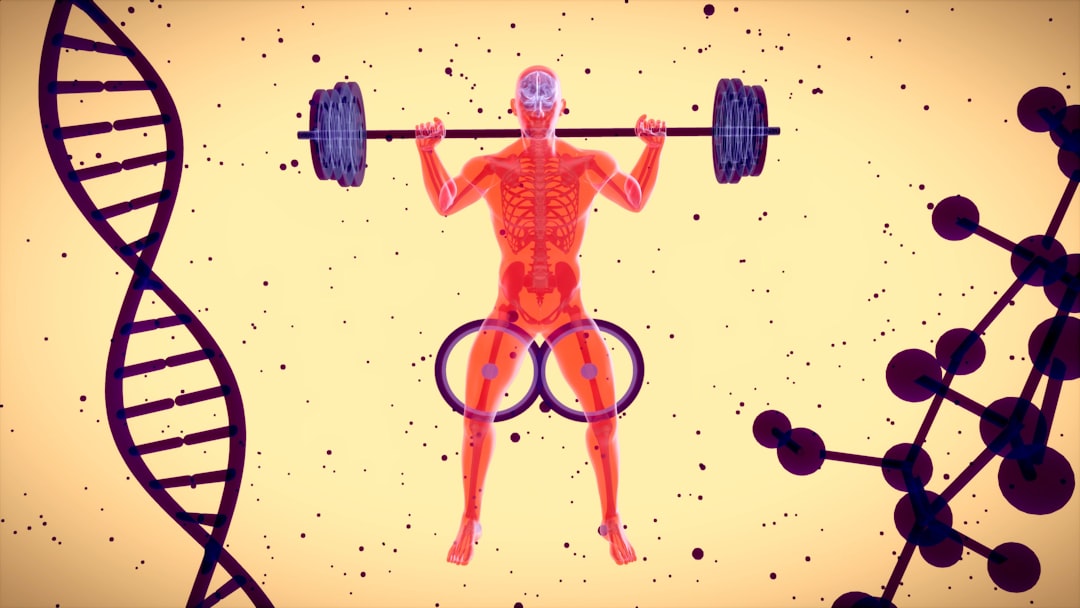
Photo by julien Tromeur on Unsplash.
Medical Disclaimer: This article is AI-assisted and reviewed by the Vitalheros editorial team. It is provided for informational purposes only and is not a substitute for professional medical advice, diagnosis, or treatment. Always consult a qualified healthcare provider. Reviewed by The Vitalheros Editorial Team.