The Oocyte’s Secret: How Reproduction Naturally Reverses Aging
Some links in this article are affiliate links. As an Amazon Associate and partner of other programs, Vitalheros may earn a commission from qualifying purchases, at no extra cost to you. This never influences our editorial coverage.
The Ultimate Biological Reset: A Paradox in Aging
For decades, geroscience has meticulously mapped the decline that accompanies aging. We understand how DNA accumulates damage, how cellular machinery falters, and how tissues gradually lose their vitality. This framework successfully explains much of what we observe in the aging body. Yet, it encounters a profound paradox when confronted with one of biology’s most fundamental processes: reproduction. How is it that two individuals, themselves experiencing the ravages of time, can give rise to offspring that begin life biologically ‘age zero’?
This isn’t merely a slowing of the aging process; it’s a complete, natural reversal. Somewhere within the intricate dance of reproduction, the biological clock is wound back to its very beginning. Researchers are increasingly turning their attention to this extraordinary phenomenon, particularly to the mammalian oocyte – the female germ cell – as nature’s master rejuvenator.
The Oocyte: A Beacon of Youth in an Aging Body
While our somatic cells – the cells that make up our organs, muscles, and tissues – undeniably age and eventually perish, the germline cells, responsible for passing on genetic information, carry an enduring legacy. The oocyte, in particular, stands out. Despite being housed within an ovary that itself is among the first organs to show signs of functional decline, oocytes retain an astonishing capacity: to generate a completely fresh, biologically young organism.
Consider the mammalian ovary: its fertility and endocrine function wane significantly over time. Yet, even after decades, it can still produce oocytes capable of orchestrating a full biological reset. This means the chronological and biological age of the mother’s oocytes is not simply transmitted to the next generation. Instead, a comprehensive rejuvenation occurs, wiping the slate clean and ensuring the offspring begins life anew.
“The ovary is not only a site of age-related decline but also the only mammalian tissue that naturally preserves an intrinsic rejuvenation capacity within its oocytes.”
Historically, the fields of reproductive biology and geroscience have largely operated in silos. Reproductive studies focused on fertility and hormonal regulation, while aging research concentrated on the deterioration of somatic tissues like the brain, heart, and immune system. This separation, however, has obscured a critical insight: the ovary, through its oocytes, holds the key to understanding natural, controlled rejuvenation.
Unpacking the Oocyte’s Rejuvenation Toolkit
The oocyte’s ability to reset the biological clock isn’t magic; it’s a symphony of finely tuned molecular processes. Current research points to several key mechanisms:
- Epigenetic Reprogramming: Our cells accumulate epigenetic ‘marks’ over time – chemical tags on DNA and associated proteins that influence gene expression without altering the underlying genetic code. These marks can become dysregulated with age, contributing to cellular dysfunction. During early embryonic development, and critically within the oocyte itself, there is a profound epigenetic reset. This process effectively erases the accumulated epigenetic ‘memory’ of the parent’s age, allowing the new organism to start with a fresh, youthful epigenetic landscape.
- Mitochondrial Quality Control: Mitochondria are the powerhouses of our cells, and their dysfunction is a hallmark of aging. Oocytes employ rigorous quality control mechanisms to ensure that only healthy, functional mitochondria are passed on. This involves processes to eliminate damaged mitochondria and promote the biogenesis of new, healthy ones, safeguarding the energy supply for the developing embryo.
- Proteostasis: Maintaining a healthy balance of proteins (proteostasis) is crucial for cellular function. As we age, proteins can misfold, aggregate, and accumulate, impairing cellular processes. Oocytes possess robust systems to manage protein quality, including efficient protein synthesis, folding, and degradation pathways. This ensures that the essential protein machinery for early development is pristine and fully functional.
The Ovarian Niche: A Unique Environment for Youth
Beyond the intrinsic capabilities of the oocyte, the ovarian environment itself appears to play a distinctive role in preserving this rejuvenation capacity. Unlike other somatic tissues where aging processes lead to a decline in cellular homeostasis, the ovarian niche seems to foster conditions that support the oocyte’s youthful state. Understanding how this microenvironment differs from other aging tissues could reveal novel targets for intervention.
Implications for Human Longevity Strategies
The study of natural rejuvenation in oocytes is not merely an academic exercise; it offers a profound blueprint for future human longevity interventions. By unraveling these natural mechanisms, scientists aim to translate this knowledge into therapies that could restore youthful function to adult tissues and potentially extend healthy lifespan.
Current research avenues inspired by oocyte biology include:
- Partial Reprogramming: Building on the discovery of induced pluripotent stem cells (iPSCs), which can revert adult cells to an embryonic-like state, partial reprogramming seeks to apply similar principles to adult tissues. The goal is to dial back the cellular clock just enough to restore youthful function without losing cellular identity or inducing uncontrolled growth. Insights from the oocyte’s natural reset are invaluable here.
- Senescence Modulation: Senescent cells – ‘zombie cells’ that stop dividing but remain metabolically active and secrete inflammatory compounds – accumulate with age and contribute to tissue dysfunction. Understanding how oocytes avoid or clear senescent components could lead to new strategies for removing these detrimental cells from aging tissues.
- Niche Engineering: If the ovarian microenvironment is key to supporting oocyte rejuvenation, then manipulating or engineering specific tissue niches in other parts of the body might help restore youthful function to somatic cells.
While these techniques are still in their nascent stages, the oocyte provides a living example that comprehensive biological rejuvenation is not only possible but a natural process. The journey to fully understand and harness this power is just beginning, but the oocyte stands as a testament to nature’s capacity for renewal, offering a gateway to groundbreaking advancements in healthy longevity.
Explore more in our Longevity & Biohacking coverage.
🔬 Scientific Takeaway
The oocyte, a germline cell, possesses a unique intrinsic capacity for comprehensive biological rejuvenation, enabling offspring to begin life at 'age zero' regardless of parental age. This natural reset involves sophisticated epigenetic reprogramming, mitochondrial quality control, and proteostasis mechanisms. Studying the oocyte and its ovarian environment offers critical insights into fundamental biological rejuvenation processes that could inform future human longevity interventions.
Sources & References
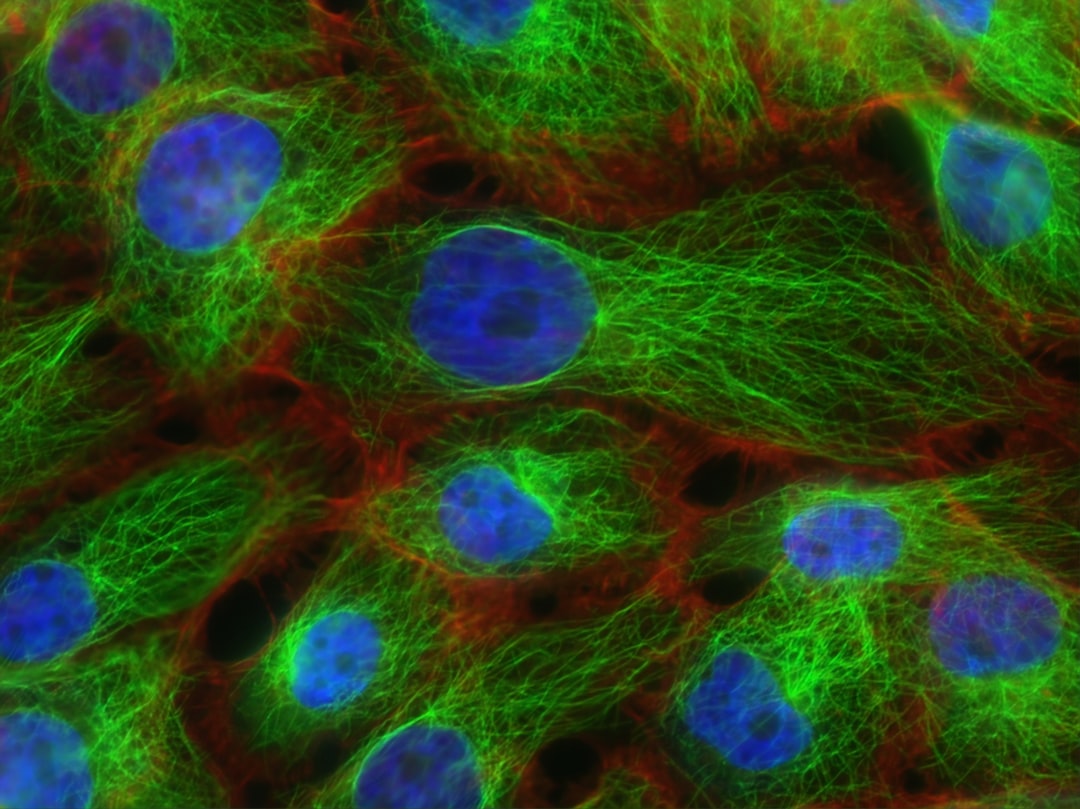
Photo by National Cancer Institute on Unsplash.
Medical Disclaimer: This article is AI-assisted and reviewed by the Vitalheros editorial team. It is provided for informational purposes only and is not a substitute for professional medical advice, diagnosis, or treatment. Always consult a qualified healthcare provider. Reviewed by The Vitalheros Editorial Team.