Unraveling Alzheimer’s: How Neurons’ Unique Clean-Up Crew Fails
Some links in this article are affiliate links. As an Amazon Associate and partner of other programs, Vitalheros may earn a commission from qualifying purchases, at no extra cost to you. This never influences our editorial coverage.
Decoding Alzheimer’s: The Protein Disposal Enigma
Alzheimer’s disease, a devastating neurodegenerative condition, remains largely a mystery despite decades of intensive research. While much is known about its hallmarks—the accumulation of amyloid-beta plaques outside cells and tau protein tangles within neurons—the precise mechanisms that initiate these protein misfolding events, particularly for tau, have largely eluded scientists. Understanding these initial steps is critical for developing therapies that can intervene before widespread neurodegeneration takes hold.
A recent study from Columbia University, published in Nature Neuroscience, has shed new light on this complex process, pointing to a specialized protein disposal system found exclusively in neurons. This research suggests that the failure of these unique cellular clean-up crews may be a crucial factor in the onset of tau aggregation, linking it to major Alzheimer’s risk factors like specific genetic variants and aging.
The Brain’s Specialized Waste Management System
Our cells are constantly producing and processing proteins, and a sophisticated waste management system is essential to prevent harmful build-up. One key component of this system is the proteasome, a barrel-shaped protein complex that acts like a cellular shredder, breaking down misfolded or excess proteins into smaller, harmless peptides.
While most cells house their proteasomes in the cytosol (the fluid inside the cell), neurons possess a unique adaptation. As the same research team discovered years ago, neurons also feature
Explore more in our Longevity & Biohacking coverage.
🔬 Scientific Takeaway
A recent study suggests that specialized proteasomes unique to neurons, termed neuroproteasomes, play a critical role in preventing tau aggregation, a hallmark of Alzheimer's disease. Impairment of these neuroproteasomes, particularly in individuals carrying the ApoE4 genetic variant or as a result of aging, reduces the neuron's capacity to clear misfolded tau, thereby increasing the risk of insoluble tau filament formation. This mechanism offers a novel target for therapeutic intervention aimed at bolstering neuronal proteostasis and preventing neurodegeneration.
Sources & References
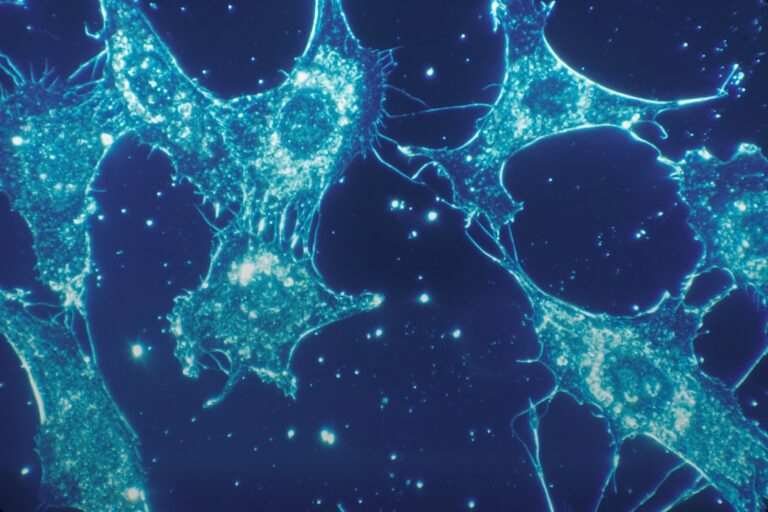
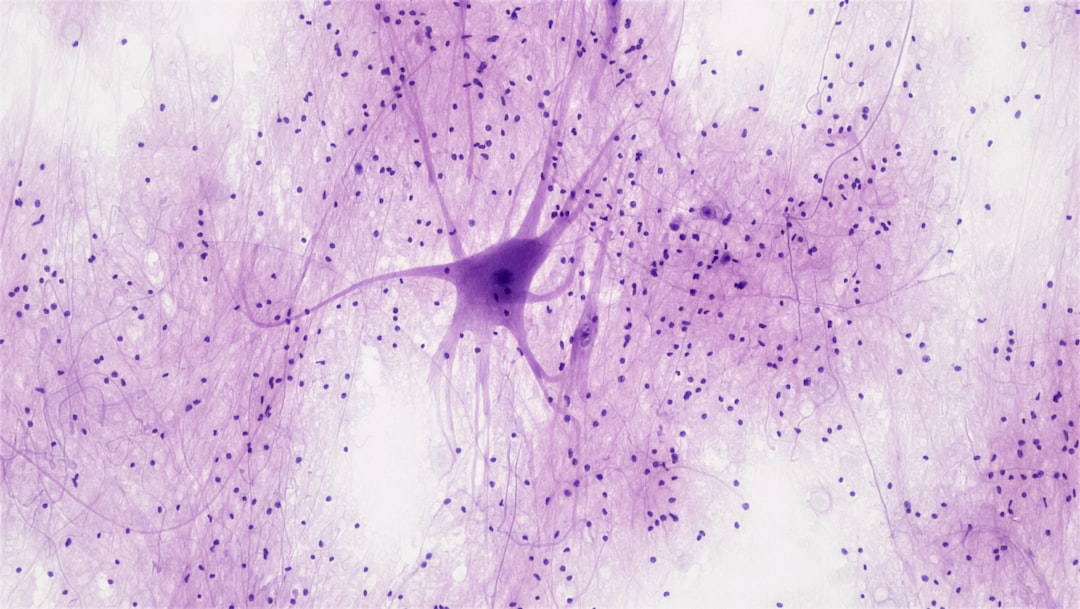
Photo by Bioscience Image Library by Fayette Reynolds on Unsplash.
Medical Disclaimer: This article is AI-assisted and reviewed by the Vitalheros editorial team. It is provided for informational purposes only and is not a substitute for professional medical advice, diagnosis, or treatment. Always consult a qualified healthcare provider. Reviewed by The Vitalheros Editorial Team.