Targeting PAI-1: A Promising Path to Slowing Biological Aging
Some links in this article are affiliate links. As an Amazon Associate and partner of other programs, Vitalheros may earn a commission from qualifying purchases, at no extra cost to you. This never influences our editorial coverage.
The quest for a longer, healthier life has long captivated humanity. In recent decades, scientific advancements have begun to unravel the intricate molecular mechanisms that drive aging, opening new avenues for intervention. One such mechanism gaining significant attention involves a protein known as Plasminogen Activator Inhibitor-1 (PAI-1).
Remarkably, a small cohort of individuals carrying a rare genetic mutation that reduces PAI-1 function appears to live several years longer than their peers. This compelling natural experiment has spurred intensive research into PAI-1, positioning it as a fascinating target in the burgeoning field of geroscience – the study of the biology of aging and age-related diseases. Scientists are now actively developing small molecule drugs designed to inhibit PAI-1 activity, with the hope of translating these genetic insights into tangible benefits for healthy human longevity.
The Enigma of PAI-1: More Than Just Blood Clotting
At its core, PAI-1, encoded by the SERPINE1 gene, is a crucial regulator of fibrinolysis, the body’s process for dissolving blood clots. It primarily inhibits tissue-type and urokinase-type plasminogen activators, enzymes essential for breaking down fibrin clots. This canonical role highlights PAI-1’s importance in maintaining hemostatic balance and preventing excessive bleeding or clotting.
However, modern research has revealed PAI-1 to be a far more versatile, or ‘pleiotropic,’ molecule. Beyond its well-established role in blood coagulation, PAI-1 has emerged as a significant mediator in a wide array of biological processes that are intimately linked to aging and chronic disease. These include:
- Tissue Remodeling and Fibrosis: PAI-1 influences how tissues repair and restructure themselves, often contributing to excessive scarring or fibrosis in organs like the lungs, liver, and kidneys.
- Metabolic Dysfunction: It has been implicated in conditions like obesity, insulin resistance, and type 2 diabetes.
- Cancer Progression: PAI-1 can play a role in tumor growth, invasion, and metastasis, impacting the tumor microenvironment.
- Cellular Senescence: This is a state where cells stop dividing but remain metabolically active, secreting inflammatory molecules that can harm surrounding tissues. PAI-1 is deeply intertwined with this process.
- Age-Associated Immune Dysregulation: As we age, our immune system becomes less effective, and PAI-1 contributes to this decline.
A central tenet of current understanding is that PAI-1 is not merely a passive biomarker reflecting age-related pathology. Instead, it appears to be an active orchestrator, linking various detrimental processes that accelerate aging. It acts as a molecular node, connecting pathways involved in chronic low-grade inflammation, impaired immune surveillance, fibrotic extracellular matrix remodeling, and a prothrombotic state.
PAI-1 and Cellular Senescence: A Vicious Cycle
Perhaps one of the most compelling connections is between PAI-1 and cellular senescence. Senescent cells, often dubbed ‘zombie cells,’ accumulate in tissues with age and contribute significantly to aging phenotypes. These cells don’t just sit idly; they secrete a potent cocktail of pro-inflammatory molecules, growth factors, and proteases, collectively known as the Senescence-Associated Secretory Phenotype (SASP).
PAI-1 is a key component of this SASP. Its presence amplifies the destructive signals emanating from senescent cells, creating a vicious cycle. By influencing SASP signaling, PAI-1 reinforces chronic inflammation, hinders the immune system’s ability to clear damaged cells, promotes tissue stiffening through fibrotic changes, and contributes to a pro-clotting environment. In this framework, PAI-1 is seen as an ‘immune-aging checkpoint’ – a critical molecular hub where senescent, stromal, malignant, and inflammatory cells converge to promote immune evasion and tissue dysfunction, accelerating the aging process.
From Genetic Insight to Therapeutic Innovation
The existence of individuals with natural PAI-1 loss-of-function mutations who experience extended healthspans provides a powerful validation for targeting this protein. It suggests that reducing PAI-1 activity, even partially, could have significant benefits.
Translating this genetic insight into a therapeutic reality involves the sophisticated process of drug discovery. Researchers are employing structure-guided drug design to develop small molecule inhibitors that can selectively block PAI-1’s activity. It’s important to note that while a lifelong genetic mutation offers a profound insight, a small molecule drug will likely exert a more modest effect. Drugs are typically administered for only a portion of a person’s life and may not achieve complete inhibition of the protein’s activity. Nevertheless, this iterative process of research and development is how medical science advances.
Emerging Small Molecule Inhibitors
Several small molecule PAI-1 inhibitors have been developed, including compounds such as TM5275, TM5441, TM5509, and TM5614. Among these, TM5614 stands out as an orally available investigational compound that has progressed to clinical evaluation in humans.
Preclinical studies – experiments conducted in laboratory settings or animal models – have painted a promising picture of PAI-1 inhibition. These studies suggest that reducing PAI-1 activity could yield a range of beneficial effects, including:
- Anti-thrombotic properties: Reducing the risk of unwanted blood clots.
- Anti-fibrotic effects: Mitigating excessive scarring and tissue stiffening in various organs.
- Anti-inflammatory actions: Dampening chronic low-grade inflammation.
- Anti-senescent effects: Potentially reducing the burden of harmful senescent cells.
- Tumor-microenvironment modulating effects: Influencing the environment surrounding tumors, which could have implications for cancer therapy.
Clinical Horizons: Early Trials and Future Directions
While the ultimate goal for longevity research is to slow biological aging, early clinical studies with TM5614 have focused on specific disease contexts where PAI-1 is known to play a significant role. These evaluations have included patients with conditions such as chronic myeloid leukemia, immune-checkpoint-refractory malignant melanoma, non-small-cell lung cancer, and COVID-19-associated pneumonia. These trials aim to assess the safety and preliminary efficacy of PAI-1 inhibition in settings where its dysregulation contributes to disease progression.
These initial clinical explorations, though not directly focused on ‘aging’ as an indication, provide invaluable data on how PAI-1 inhibitors behave in humans. The insights gained from these studies could pave the way for future investigations into PAI-1 inhibition as a broader strategy to combat age-related pathologies and potentially extend healthy lifespan.
Safety and Translational Opportunities
As with any therapeutic intervention, particularly those targeting fundamental biological pathways, safety considerations are paramount. Given PAI-1’s role in hemostasis, careful monitoring for potential bleeding risks or other side effects is crucial as these compounds advance through clinical development. Researchers are meticulously evaluating the balance between the therapeutic benefits and any potential adverse effects.
The multifaceted role of PAI-1 in aging and disease presents exciting translational opportunities. By targeting a single molecular node like PAI-1, it may be possible to address multiple age-associated pathologies simultaneously – from cardiovascular disease and metabolic disorders to fibrosis and certain cancers. This ‘pleiotropic’ therapeutic potential makes PAI-1 inhibition a particularly attractive area of research in geroscience.
The journey from understanding a genetic anomaly to developing a safe and effective drug is long and complex. However, the emerging research on PAI-1 inhibitors offers a compelling glimpse into a future where we might not only treat individual age-related diseases but actively intervene in the fundamental processes of aging itself, fostering greater health and vitality in later life.
Explore more in our Longevity & Biohacking coverage.
🔬 Scientific Takeaway
Plasminogen Activator Inhibitor-1 (PAI-1) is a protein implicated in cellular senescence and the aging process. Individuals with a genetic mutation leading to reduced PAI-1 activity exhibit increased longevity. Small molecule inhibitors of PAI-1 are under development, with one compound, TM5614, having progressed to early clinical evaluation for various diseases, demonstrating preclinical promise in modulating anti-thrombotic, anti-fibrotic, anti-inflammatory, and anti-senescent pathways. This research suggests PAI-1 inhibition could be a viable strategy for addressing multiple age-related pathologies and potentially extending healthy lifespan.
Sources & References
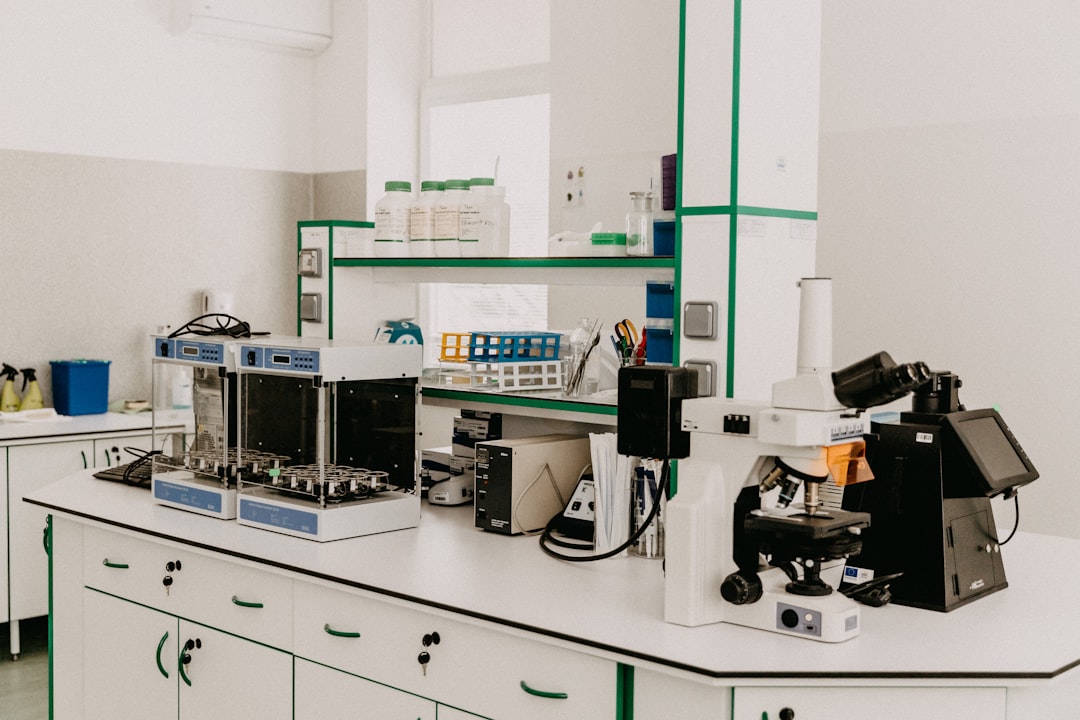
Photo by Trnava University on Unsplash.
Medical Disclaimer: This article is AI-assisted and reviewed by the Vitalheros editorial team. It is provided for informational purposes only and is not a substitute for professional medical advice, diagnosis, or treatment. Always consult a qualified healthcare provider. Reviewed by The Vitalheros Editorial Team.