Raccoons and Water Safety: The Urgency of a ‘One Health’ Approach
Some links in this article are affiliate links. As an Amazon Associate and partner of other programs, Vitalheros may earn a commission from qualifying purchases, at no extra cost to you. This never influences our editorial coverage.
In our increasingly interconnected world, the boundaries between human, animal, and environmental health are often blurred. This reality is particularly evident when considering the potential for wildlife to transmit pathogens, an issue highlighted by recent research urging a comprehensive strategy to manage raccoon-borne water contamination. These adaptable creatures, often seen as mere urban nuisances, can harbor serious health risks that demand a unified approach to public safety.
The concept of ‘One Health’ recognizes that the well-being of people is intrinsically linked to the health of animals and our shared environment. When it comes to pathogens carried by wildlife, this integrated perspective becomes not just advisable, but essential. Raccoons, with their remarkable ability to thrive in diverse habitats, including densely populated urban and suburban areas, represent a significant vector for diseases that can compromise water quality and, consequently, human and animal health.
The Hidden Threat in Our Waterways: Raccoons and Pathogen Spread
Raccoons (Procyon lotor) are highly adaptable mammals whose presence near human settlements and natural water sources poses a unique challenge. Their foraging habits often bring them into contact with various environments, and their communal defecation sites, known as latrines, can become concentrated sources of infectious agents. When these latrines are near rivers, lakes, or even residential water systems, the risk of pathogen runoff into water supplies increases dramatically, especially during rain events.
Key Pathogens of Concern
- Baylisascaris procyonis (Raccoon Roundworm): This is perhaps the most concerning pathogen associated with raccoons. The eggs of this roundworm are shed in raccoon feces and are incredibly resilient, surviving in soil and water for years. If ingested by humans, especially children, these microscopic eggs can hatch, and the larvae can migrate through tissues, potentially causing severe neurological damage, ocular disease, or even death. The condition, known as baylisascariasis, is rare but devastating, making prevention paramount.
- Giardia duodenalis: Raccoons can also carry and shed Giardia cysts, another common cause of waterborne illness. Ingesting water contaminated with Giardia can lead to giardiasis, an intestinal infection characterized by diarrhea, abdominal cramps, and nausea. While often less severe than baylisascariasis, giardiasis can cause prolonged discomfort and complications, particularly in vulnerable populations.
Beyond these two, raccoons can potentially carry other bacteria and parasites, further underscoring the need for vigilance when their populations interact closely with human environments and water sources.
The “One Health” Imperative: A Unified Approach to Public Safety
Traditional public health strategies often focus on human disease in isolation, or environmental protection without fully integrating wildlife health. However, the complex nature of zoonotic diseases – those transmitted between animals and humans – necessitates a broader, more collaborative framework. This is where the ‘One Health’ approach becomes indispensable.
“One Health is a collaborative, multisectoral, and transdisciplinary approach — working at the local, regional, national, and global levels — with the goal of achieving optimal health outcomes recognizing the interconnections between people, animals, plants, and their shared environment.”
Applying ‘One Health’ to raccoon-borne contamination means bringing together veterinarians, physicians, environmental scientists, public health officials, wildlife managers, and even community planners. Their combined expertise is crucial for understanding the ecological dynamics of raccoons, monitoring pathogen prevalence, assessing water quality risks, and developing effective, sustainable interventions.
Why Raccoons Present a Unique Challenge
- Urban Adaptability: Raccoons thrive in human-altered landscapes, finding abundant food sources in trash and pet food, and shelter in attics, sheds, and storm drains. This proximity dramatically increases the potential for human and pet exposure to their waste.
- Defecation Habits: Their habit of using communal latrines concentrates pathogen eggs and cysts in specific areas, making these spots high-risk zones for contamination, especially when near water bodies, playgrounds, or gardens.
- Pathogen Resilience: The eggs of Baylisascaris procyonis are remarkably resistant to many disinfectants and environmental conditions, surviving for extended periods. This makes eradication challenging once an area is contaminated.
Strategies for Mitigation and Prevention
Effective control of raccoon-borne water contamination requires a multi-pronged strategy that addresses both the wildlife vector and the pathways of transmission to humans and domestic animals.
Community-Level Interventions
- Integrated Surveillance: Establishing robust monitoring programs for raccoon populations and testing their feces for pathogens can help identify high-risk areas. This data can inform targeted interventions.
- Water Quality Monitoring: Regular and comprehensive testing of water sources, particularly in areas with known raccoon activity, is vital. This includes testing for indicator bacteria as well as specific pathogens like Giardia and Baylisascaris eggs.
- Habitat Management and Exclusion: Communities can reduce raccoon attraction by implementing secure waste management practices (e.g., raccoon-proof trash cans), educating residents about not feeding wildlife, and sealing potential entry points into homes and outbuildings. Where feasible, deterring raccoons from sensitive water sources is also important.
- Public Education Campaigns: Raising awareness among residents about the risks, proper hygiene, and how to safely manage wildlife interactions is a cornerstone of prevention.
Individual and Household Precautions
- Water Safety: When hiking, camping, or in areas with potential wildlife contamination, always use a reliable water filter or boil water before consumption. Do not drink untreated surface water.
- Hygiene Practices: Practice rigorous handwashing, especially after outdoor activities, gardening, or any potential contact with soil or animal waste. Supervise children closely in outdoor play areas.
- Pet Safety: Keep pets away from raccoon latrines and areas where raccoon feces are present. Consult with a veterinarian about regular deworming for pets, as they can also become infected and potentially transmit pathogens.
- Yard Maintenance: Promptly and carefully remove any raccoon feces found on your property. Use gloves and dispose of waste in sealed bags. For severe contamination, professional cleanup may be warranted.
Looking Ahead: A Collaborative Path to Health Security
The call for a ‘One Health’ approach to raccoon-borne water contamination underscores a broader truth: our health is inextricably linked to the health of the planet and its inhabitants. By fostering collaboration across disciplines and empowering communities with knowledge and practical strategies, we can mitigate these risks effectively. This integrated perspective is not just about preventing disease; it’s about building more resilient ecosystems and healthier futures for all.
Explore more in our Digital Health coverage.
🔬 Scientific Takeaway
Research emphasizes the critical need for a 'One Health' approach to combat water contamination originating from raccoons. Pathogens like the raccoon roundworm (Baylisascaris procyonis) and Giardia pose significant health risks, especially due to raccoons' adaptability and defecation habits near human environments. An integrated strategy involving public health, veterinary medicine, and environmental science is essential for monitoring, prevention, and public education to safeguard water quality and reduce zoonotic disease transmission.
Sources & References
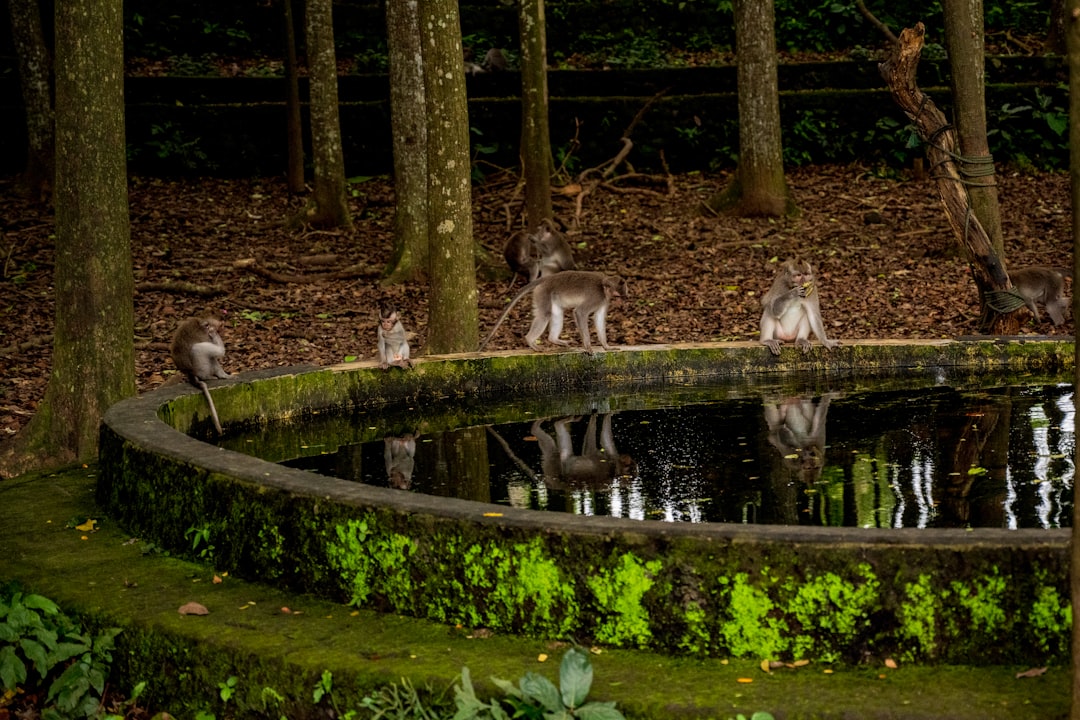
Photo by Evelin Magnus on Unsplash.
Medical Disclaimer: This article is AI-assisted and reviewed by the Vitalheros editorial team. It is provided for informational purposes only and is not a substitute for professional medical advice, diagnosis, or treatment. Always consult a qualified healthcare provider. Reviewed by The Vitalheros Editorial Team.