Crohn’s Disease: Gut Cells Bear Lasting Molecular Scars
Some links in this article are affiliate links. As an Amazon Associate and partner of other programs, Vitalheros may earn a commission from qualifying purchases, at no extra cost to you. This never influences our editorial coverage.
Crohn’s disease, a debilitating form of inflammatory bowel disease (IBD), is notorious for its chronic, relapsing nature. Patients often experience periods of remission, only for the disease to flare up again, sometimes without clear provocation. For years, researchers have sought to understand the underlying mechanisms that drive this persistence, even when inflammation appears to subside. A recent gut cell study has shed new light on this mystery, revealing that the cells lining the gut in individuals with Crohn’s disease harbor lasting molecular ‘scars,’ a form of cellular memory that may predispose them to future inflammation.
This groundbreaking discovery suggests that Crohn’s disease is not merely an episodic battle against inflammation, but a condition that leaves a profound, enduring imprint on the very cells of the digestive tract. Understanding these molecular alterations could pave the way for more precise diagnostics, targeted therapies, and potentially even strategies to prevent recurrence.
The Enigma of Crohn’s Disease Recurrence
Crohn’s disease is characterized by chronic inflammation that can affect any part of the digestive tract, from the mouth to the anus. Symptoms often include abdominal pain, severe diarrhea, fatigue, weight loss, and malnutrition. While current treatments aim to control inflammation and manage symptoms, achieving sustained remission remains a significant challenge for many. Even when patients achieve clinical remission, a state where symptoms are minimal or absent, the underlying disease activity can persist at a microscopic level, often leading to unpredictable relapses.
The immune system plays a central role in Crohn’s disease, mistakenly attacking healthy gut tissue. However, the precise triggers for initial onset and subsequent flares are complex and thought to involve a combination of genetic predisposition, environmental factors, and gut microbiome imbalances. The concept of ‘molecular scars’ introduces another critical layer to this understanding: an intrinsic cellular memory within the gut itself.
Unmasking Molecular Scars in Gut Cells
The recent study delved deep into the cellular landscape of the gut, employing advanced single-cell analysis techniques. This approach allowed researchers to examine individual cells from the inflamed and non-inflamed areas of the gut in Crohn’s patients, as well as from healthy controls. By scrutinizing gene expression patterns and other molecular signatures at an unprecedented resolution, they identified distinct, persistent changes in the gut lining cells of individuals with Crohn’s disease.
These ‘molecular scars’ are not physical lesions, but rather subtle yet significant alterations at the genetic and epigenetic levels. Epigenetics refers to changes in gene activity that do not involve altering the underlying DNA sequence but can influence how genes are read and expressed. These changes can be long-lasting and can effectively ‘program’ cells to behave differently.
What Do These Molecular Scars Entail?
- Altered Gene Expression: The study likely identified specific genes that are persistently over- or under-expressed in the gut cells of Crohn’s patients, even in areas that appear macroscopically healthy. These genes could be involved in immune response, barrier function, or cellular repair mechanisms.
- Epigenetic Modifications: Such scars could involve changes in DNA methylation or histone modifications, which are epigenetic marks that can switch genes on or off. These modifications can create a stable cellular memory, influencing how cells respond to future stimuli.
- Cellular Memory: In essence, the cells ‘remember’ past inflammatory episodes. This memory might make them more prone to react excessively to minor irritants or microbial shifts that a healthy gut would easily tolerate, thereby perpetuating the cycle of inflammation.
Implications for Diagnosis and Treatment
The discovery of lasting molecular scars carries profound implications for how Crohn’s disease is understood, diagnosed, and treated. Current diagnostic methods often rely on endoscopic examination and biopsies to assess inflammation. However, these methods might not capture the subtle molecular changes that predict future disease activity.
Potential Future Directions:
- Biomarkers for Relapse Prediction: Identifying these specific molecular scars could lead to the development of novel biomarkers. A simple blood or stool test, for instance, might detect these cellular signatures, allowing clinicians to predict which patients are at higher risk of relapse, even during periods of apparent remission. This would enable proactive intervention rather than reactive treatment after a flare has begun.
- Targeted Therapies: If researchers can understand the precise molecular pathways influenced by these scars, it might be possible to develop therapies that specifically target and ‘erase’ or neutralize these cellular memories. Instead of merely suppressing inflammation, future treatments could aim to reprogram the gut cells, restoring them to a healthier, less reactive state. This could represent a paradigm shift from managing symptoms to addressing the root cause of disease persistence.
- Personalized Medicine: The nature and extent of molecular scarring might vary among individuals, reflecting the heterogeneous nature of Crohn’s disease. This could open the door to more personalized treatment strategies, where therapies are tailored based on an individual’s unique molecular profile.
- Understanding Disease Pathogenesis: This research deepens our understanding of Crohn’s disease pathogenesis, moving beyond a focus solely on acute inflammation to consider the chronic cellular adaptations that sustain the disease over time.
The Path Ahead: From Discovery to Clinic
While the discovery of molecular scars is a significant leap forward, it is an early step on a long journey towards clinical application. Future research will need to validate these findings in larger patient cohorts, further characterize the specific molecular changes, and investigate how these scars contribute to the clinical course of the disease.
Translating these insights into tangible benefits for patients will require extensive research and development, including the identification of specific drug targets and the rigorous testing of new therapeutic agents. However, this study offers a compelling vision of a future where Crohn’s disease might be managed not just by controlling symptoms, but by fundamentally altering the cellular memory that drives its relentless progression.
“This research helps us understand why Crohn’s disease is so persistent and prone to recurrence, even after inflammation appears to subside. By identifying these lasting molecular changes, we gain new targets for diagnostics and therapies that could potentially offer more sustained relief.”
Ultimately, this new understanding of molecular scars in Crohn’s disease represents a beacon of hope for millions worldwide. It underscores the intricate dance between genetics, environment, and cellular biology in chronic diseases and highlights the potential for precision medicine to transform patient care.
Explore more in our Digital Health coverage.
🔬 Scientific Takeaway
A recent gut cell study found that cells in Crohn's disease patients carry persistent molecular 'scars,' which are lasting genetic and epigenetic alterations. These cellular memories may explain why the disease recurs even during remission, offering new targets for diagnosis and therapies aimed at preventing relapse by reprogramming gut cells.
Sources & References
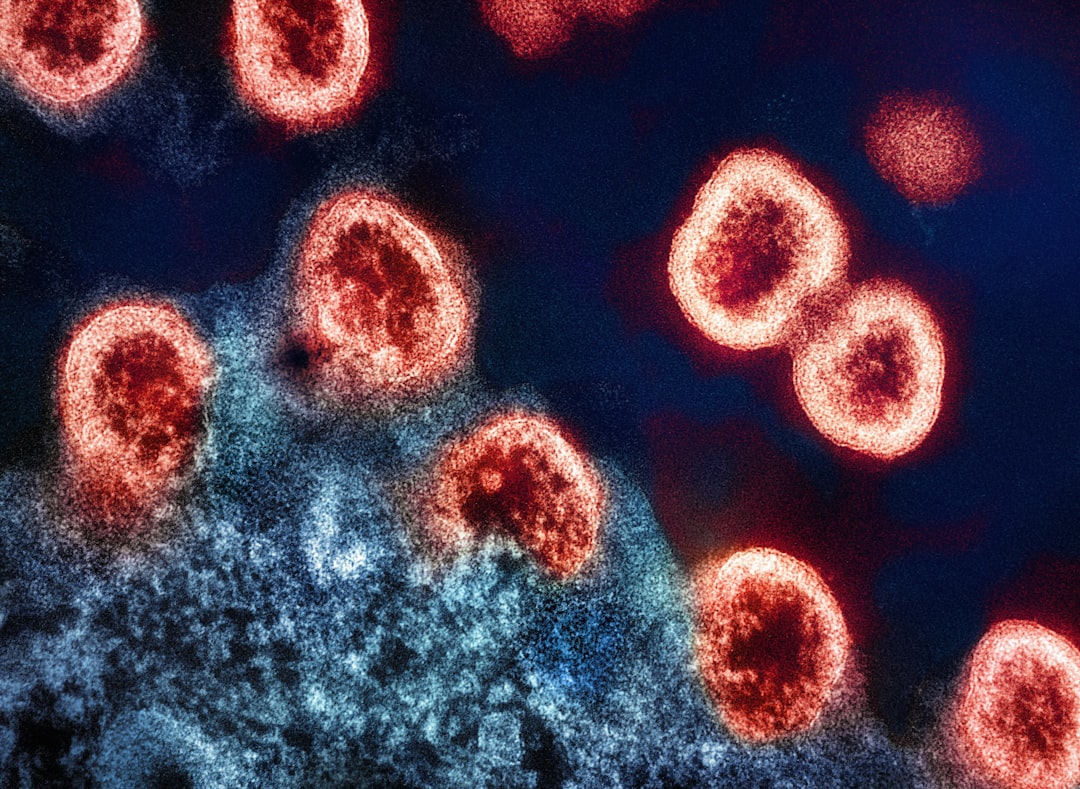
Photo by National Institute of Allergy and Infectious Diseases on Unsplash.
Medical Disclaimer: This article is AI-assisted and reviewed by the Vitalheros editorial team. It is provided for informational purposes only and is not a substitute for professional medical advice, diagnosis, or treatment. Always consult a qualified healthcare provider. Reviewed by The Vitalheros Editorial Team.