Exercise: Your Body’s Best Defense Against Immune Aging
Some links in this article are affiliate links. As an Amazon Associate and partner of other programs, Vitalheros may earn a commission from qualifying purchases, at no extra cost to you. This never influences our editorial coverage.
In the quest for a longer, healthier life, few interventions stand as robustly supported by scientific evidence as regular physical exercise. Often heralded as the ‘gold standard’ in slowing the processes of degenerative aging, exercise offers a comprehensive suite of benefits that extend far beyond muscle strength and cardiovascular health. It’s a fundamental pillar of longevity, particularly in its profound ability to rejuvenate and protect our immune system.
As we navigate an increasingly sedentary world, the global decline in physical activity has inadvertently accelerated a phenomenon known as immune aging. This age-related deterioration of immune function leaves us more vulnerable to infections, chronic diseases, and even certain cancers. Understanding how exercise counters these declines is crucial for anyone committed to a vital, extended lifespan.
The Immune System Under Siege: Understanding Immune Aging
Aging is an inevitable biological process, but its effects on the immune system can be particularly debilitating. Two key concepts define immune aging:
- Inflammaging: This refers to the chronic, low-grade systemic inflammation that typically increases with age. It’s not the acute inflammation that signals an immune response to injury or infection, but a persistent, underlying ‘smolder’ that contributes to the development of numerous age-related diseases, from cardiovascular conditions to neurodegenerative disorders.
- Immunosenescence: This describes the gradual decline in the immune system’s ability to respond effectively to new pathogens and maintain immune memory. It involves a host of changes, including a reduction in the number and function of key immune cells, making older individuals more susceptible to infections and less responsive to vaccines.
These processes are exacerbated by a lack of physical activity, creating a vicious cycle where inactivity contributes to immune decline, which in turn can reduce the capacity for physical activity. Breaking this cycle is paramount for healthy longevity.
Exercise: A Multi-faceted Shield Against Decline
Regular physical activity acts as a potent modulator of the immune system, offering a broad spectrum of protective effects that directly counteract inflammaging and immunosenescence.
Direct Immunomodulation and Anti-inflammatory Effects
Exercise doesn’t just make you feel good; it actively reconfigures your immune landscape. It modulates systemic inflammation by reducing levels of pro-inflammatory markers and promoting the release of anti-inflammatory molecules. This helps to dampen the chronic ‘smolder’ of inflammaging.
Furthermore, exercise has been shown to:
- Reduce Neutrophil Extracellular Trap (NET) Formation: NETs are web-like structures released by neutrophils (a type of white blood cell) to trap pathogens, but excessive or dysregulated NET formation can contribute to inflammation and tissue damage, particularly in older individuals. Exercise helps regulate this process.
- Promote Favorable Shifts in Immune Cell Populations: Regular activity can enhance the function of T cells and natural killer (NK) cells, crucial components of our adaptive and innate immune responses, respectively. These cells are vital for identifying and eliminating infected cells and cancer cells.
Beyond Immunity: Broader Health Benefits
The benefits of exercise extend far beyond direct immune modulation, creating a synergistic effect that supports overall health and longevity:
- Mitigating Autoimmune Disease Progression: For individuals with autoimmune conditions, exercise can help manage symptoms and slow disease progression by fine-tuning immune responses.
- Improving Metabolic Regulation: Physical activity is a cornerstone in preventing and managing metabolic disorders like type 2 diabetes, which are often intertwined with chronic inflammation and immune dysfunction.
- Enhancing Tumor Immune Surveillance: Exercise strengthens the body’s ability to detect and fight cancer cells. Emerging research highlights its role in promoting vascular normalization within the tumor microenvironment, alleviating tumor hypoxia (low oxygen) and acidosis (high acidity), and restoring the function of T and NK cells that target tumors.
- Reducing Neuroinflammation: The brain is not immune to inflammaging. Exercise has been linked to reduced inflammation in the brain, potentially offering protection against neurodegenerative diseases.
The Promise of Exercise Mimetics (and Why Exercise Still Reigns)
Given the profound benefits of exercise, scientists are actively exploring ‘exercise mimetics’ – pharmacological agents designed to replicate some of the physiological responses to physical activity. Compounds like rapamycin and senolytics, for instance, are showing promise in animal studies, and partial epigenetic reprogramming is another intriguing area of research.
However, despite significant investment and exciting preclinical data, none of these approaches have yet demonstrated the robust, comprehensive benefits seen with actual exercise in human trials. The intricate, multi-systemic effects of physical activity are incredibly complex to replicate in a pill. Exercise influences countless biological pathways, from IGF-1 signaling and kynurenine metabolism to the composition of the gut microbiome, creating a symphony of beneficial adaptations that a single drug or limited combination of drugs struggles to match.
While pharmacological mimetics offer a tantalizing glimpse into future interventions, exercise remains the unparalleled gold standard, offering a holistic benefit package that is currently unmatched by any known compound.
Optimizing Your Exercise Prescription for Longevity
For older adults, the good news is that appropriately prescribed multimodal exercise regimens can significantly lower infection risk without causing immunodepression. This suggests that exercise is not only effective but also a safe strategy for immune rejuvenation at any age.
The key lies in consistency and variety. A well-rounded exercise plan typically includes:
- Aerobic Activity: Enhances cardiovascular health and circulation, beneficial for immune cell trafficking.
- Strength Training: Builds muscle mass, which is metabolically active and helps combat age-related muscle loss (sarcopenia).
- Balance and Flexibility: Improves mobility and reduces the risk of falls, maintaining overall independence.
Future research will undoubtedly continue to refine our understanding of exercise’s mechanisms, allowing for even more optimized and personalized exercise prescriptions. These mechanistic insights will also inform the development of more effective exercise-mimetic therapeutics, but for now, the most powerful intervention is the one you can start today.
Key Mechanisms at Play
Beyond the observable benefits, exercise influences several key biological pathways underpinning age-related immune decline:
- IGF-1 Signaling: Exercise can modulate insulin-like growth factor 1 (IGF-1) pathways, which are implicated in aging and cellular growth.
- Kynurenine Metabolism: This pathway is linked to inflammation and immune regulation; exercise can positively influence its balance.
- Microbiome Composition: Physical activity has been shown to beneficially alter the gut microbiome, which plays a crucial role in immune system development and function.
- NET Burden: As mentioned, exercise helps regulate the formation of neutrophil extracellular traps, reducing their inflammatory impact.
In conclusion, exercise is far more than just a fitness routine; it’s a powerful, accessible, and comprehensive intervention that actively rewrites the narrative of aging. By diligently incorporating regular physical activity into our lives, we can fortify our immune defenses, mitigate chronic inflammation, and pave the way for a healthier, more vibrant future.
Explore more in our Longevity & Biohacking coverage.
🔬 Scientific Takeaway
Regular physical activity is recognized as a leading intervention to slow degenerative aging, particularly by counteracting immune aging. Exercise modulates systemic inflammation, improves immune cell function, and offers broad benefits for metabolic health, cancer surveillance, and neuroinflammation. While research into exercise-mimetic drugs is ongoing, none currently rival the comprehensive, proven benefits of physical activity for promoting longevity and immune rejuvenation.
Sources & References
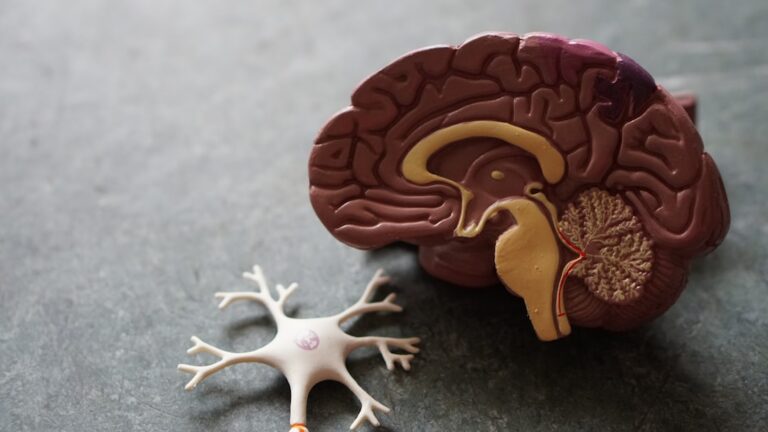
Photo by Vlad Sargu on Unsplash.
Medical Disclaimer: This article is AI-assisted and reviewed by the Vitalheros editorial team. It is provided for informational purposes only and is not a substitute for professional medical advice, diagnosis, or treatment. Always consult a qualified healthcare provider. Reviewed by The Vitalheros Editorial Team.