Brain’s Hidden Link to Strength: Connectome Predicts Frailty
Some links in this article are affiliate links. As an Amazon Associate and partner of other programs, Vitalheros may earn a commission from qualifying purchases, at no extra cost to you. This never influences our editorial coverage.
As we age, a decline in physical strength often feels like an inevitable consequence of wear and tear on our muscles and joints. Yet, a growing body of research suggests that the roots of this decline, particularly physical frailty, may extend far beyond the periphery, reaching deep into the very command center of our being: the brain. Recent findings underscore a profound connection between the intricate wiring of our brains—known as the functional connectome—and a fundamental measure of physical vitality: handgrip strength. This discovery opens new avenues for understanding, predicting, and potentially mitigating age-related physical decline.
What is Physical Frailty and Why Does it Matter?
Physical frailty is a common and concerning condition in older adults, characterized by a reduction in physical strength, endurance, and overall energy. It significantly increases the risk of falls, hospitalizations, and a diminished quality of life. Identifying frailty early is crucial for intervention, and for decades, one of the most reliable and accessible markers has been isometric handgrip strength. This simple measure—the maximum force a person can exert with their hand—serves as a robust indicator not only of muscular health but also of overall physiological resilience. While muscle mass and architecture certainly play a role, evidence increasingly points to a significant neural component, suggesting that the brain’s ability to coordinate and command muscle action is equally vital.
The Brain’s Blueprint: Understanding the Functional Connectome
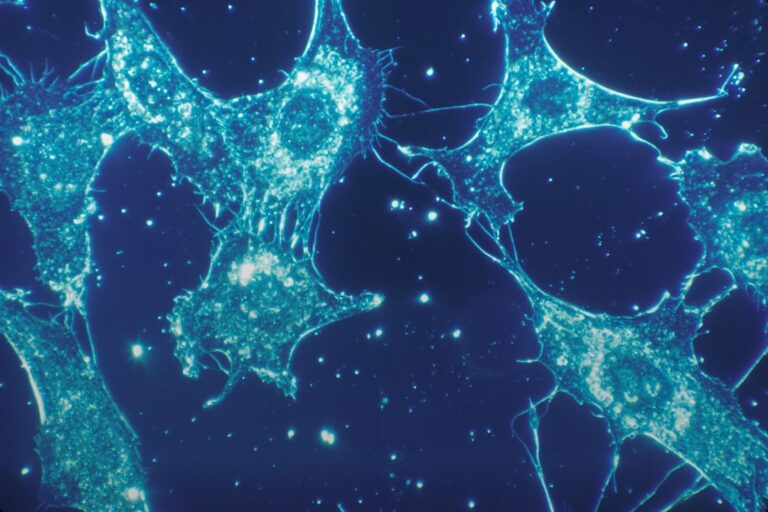
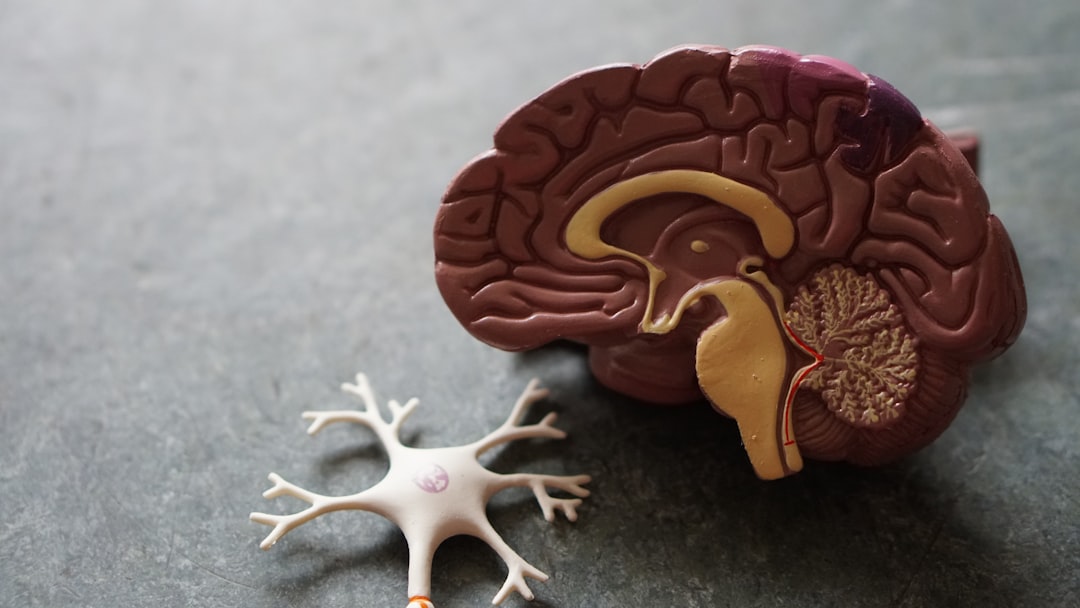
Imagine your brain not just as a collection of individual parts, but as a vast, dynamic orchestra where different sections communicate and collaborate in real-time. This intricate network of communication pathways is what scientists refer to as the functional connectome. Produced through advanced imaging techniques like functional magnetic resonance imaging (fMRI), the connectome maps the strength and patterns of these connections between various brain regions. What’s truly remarkable is its individuality: much like a fingerprint, each person’s functional connectome is unique, evolving over time and reflecting their cognitive and physical state. This uniqueness makes it a compelling candidate for a personalized biomarker—a measurable indicator that can provide insights into an individual’s health and behavior.
Bridging the Gap: Brain Connections and Physical Strength
The idea that brain function influences physical strength isn’t entirely new. Previous studies have begun to illuminate specific neural pathways linked to handgrip strength. For instance, research in healthy older adults has shown that stronger functional connectivity between the motor cortex—the brain’s primary control center for voluntary movement—and areas like the putamen, insula, and cerebellum correlates with greater handgrip strength. These regions are critical for motor planning, coordination, and sensory processing, all of which are essential for generating and sustaining muscle force.
Another line of inquiry has explored the whole-brain functional connectome, observing that robust handgrip strength in older adults is associated with greater functional segregation within the salience ventral attention network. This network plays a role in detecting and responding to important internal and external stimuli, suggesting that the brain’s ability to efficiently manage attention and focus might also contribute to physical output.
The New Research: Task-Based Connectomes and Predictive Power
While resting-state fMRI provides valuable insights into the brain’s intrinsic activity, the latest research has delved into the brain’s activity during specific tasks. The rationale is compelling: when the brain is actively engaged in a motor-relevant task, it shifts into a more alert and specialized state, potentially offering a more sensitive window into motor-related conditions like frailty. This recent study focused on healthy older adults, having them perform perceptual discrimination tasks that involved a non-dominant handgrip manipulation across two separate fMRI sessions.
The researchers meticulously measured each participant’s maximum isometric voluntary contraction (MVIC) of their non-dominant hand, using it as a direct indicator of neuromuscular health and a proxy for frailty. By analyzing the task-based connectomes, the study aimed to identify specific functional connections (FCs) that were not only consistent across sessions but also predictive of MVIC. The findings revealed that such connections do exist, providing crucial insights into the neural underpinnings of motor control and the potential explanations for motor impairments observed in frail older adults.
The results suggest that there is a component of physical frailty localized in the brain, though it is also possible that this reflects downstream issues resulting from the underlying mechanisms of aging occurring distinctly in both locations.
Implications for Longevity and Rehabilitation
This research marks a significant step forward in our understanding of age-related physical decline. By identifying specific brain-based biomarkers for grip strength, scientists are paving the way for more targeted and personalized interventions. Imagine a future where a detailed map of your brain’s connections could not only predict your risk of physical frailty but also guide rehabilitation programs tailored to strengthen specific neural pathways.
- Early Detection: Connectome analysis could become a tool for early identification of individuals at risk of developing frailty, allowing for proactive lifestyle adjustments or preventative therapies.
- Personalized Rehabilitation: Understanding which specific brain connections are suboptimal could lead to neurofeedback training, targeted cognitive exercises, or even non-invasive brain stimulation techniques designed to enhance motor control and improve physical strength.
- Holistic View of Aging: This work reinforces the idea that aging is a complex, systemic process, where the health of the brain is inextricably linked to the health of the body. Interventions focused solely on muscles may be incomplete without addressing the neural command center.
While more research is needed to fully translate these findings into clinical practice, the prospect of leveraging our unique brain blueprints to enhance physical longevity is profoundly exciting. It underscores the incredible adaptability of the human brain and its central role in maintaining our vitality throughout life.
Explore more in our Longevity & Biohacking coverage.
🔬 Scientific Takeaway
The functional connectome, a unique map of brain connections, can predict an individual's handgrip strength, a key marker of physical frailty. This research highlights a significant neural component to age-related physical decline, suggesting that brain network integrity is crucial for maintaining physical strength. Identifying these brain-based biomarkers could lead to personalized interventions for motor rehabilitation.
Sources & References
Photo by Robina Weermeijer on Unsplash.
Medical Disclaimer: This article is AI-assisted and reviewed by the Vitalheros editorial team. It is provided for informational purposes only and is not a substitute for professional medical advice, diagnosis, or treatment. Always consult a qualified healthcare provider. Reviewed by The Vitalheros Editorial Team.