Cracking the Code: A Molecular Pathway in Diabetic Wound Healing
Some links in this article are affiliate links. As an Amazon Associate and partner of other programs, Vitalheros may earn a commission from qualifying purchases, at no extra cost to you. This never influences our editorial coverage.
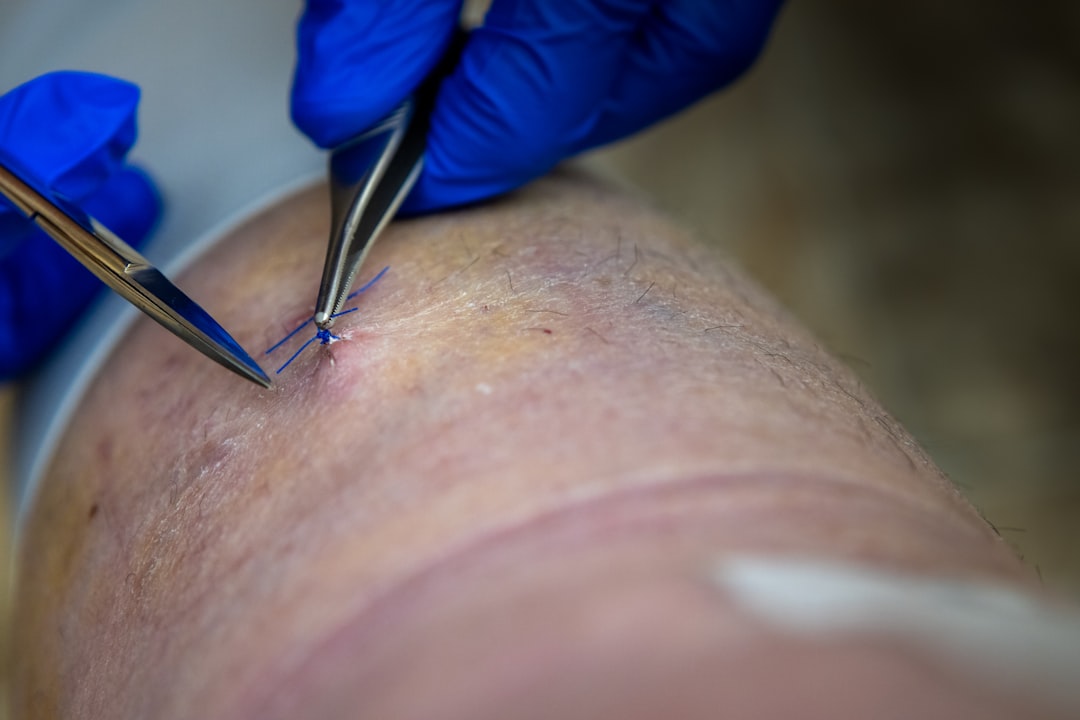
For millions living with diabetes, a seemingly minor cut or scrape can become a profound challenge. Unlike in individuals without diabetes, wounds often linger, refusing to heal, sometimes for months or even years. This persistent issue, particularly prevalent in diabetic foot ulcers, represents a significant global health burden, leading to pain, infection, amputation, and a diminished quality of life. Despite decades of research, the precise cellular and molecular mechanisms underlying this impaired healing have remained elusive, limiting the development of truly effective therapies. However, recent scientific endeavors are beginning to unravel this complex biological mystery, pinpointing specific molecular pathways that play a critical role in delaying the healing process.
Understanding the Diabetic Wound Challenge
Diabetes is a chronic metabolic condition characterized by elevated blood glucose levels. Over time, these high sugar levels wreak havoc on various bodily systems, including the intricate processes involved in wound repair. When a wound occurs, the body typically orchestrates a finely tuned cascade of events: inflammation to clear debris, proliferation of new cells to rebuild tissue, and remodeling to restore strength and function. In diabetes, this orchestra often plays out of tune.
The Silent Threat of Unhealed Wounds
Chronic wounds, especially diabetic foot ulcers, are not just inconvenient; they are dangerous. They serve as open invitations for bacterial infections, which can quickly spread, leading to severe complications like osteomyelitis (bone infection) and, in dire cases, necessitate amputation. The economic cost is staggering, with billions spent annually on wound care. More importantly, the human cost — in terms of suffering, disability, and even mortality — is immeasurable. The urgency to find better solutions is paramount.
The Biological Complexity
Several factors contribute to the impaired healing seen in diabetes. Neuropathy, or nerve damage, can reduce sensation, meaning minor injuries go unnoticed. Poor circulation, a common complication of diabetes, starves tissues of oxygen and vital nutrients needed for repair. An impaired immune response means the body struggles to fight off infection effectively. Yet, beyond these macroscopic issues, scientists have long suspected a deeper, more fundamental problem at the cellular and molecular level — a disruption in the very biological instructions that guide cells through the healing process.
Uncovering the Molecular Mechanism
Groundbreaking research has begun to peel back these layers of complexity, focusing on the microscopic world within our cells. Scientists are now identifying specific molecular pathways — intricate networks of interacting molecules that carry out particular functions within a cell — that are dysregulated in the diabetic state, directly contributing to delayed wound closure.
A Key Pathway Identified
While the exact details of every molecule involved in these newly identified pathways are still being elucidated, the significant finding is the recognition that a specific cascade of molecular events is disrupted. Imagine a well-oiled machine where each gear turns the next in perfect sequence. In diabetic wounds, it appears one or more of these critical gears are either stuck, turning too slowly, or moving in the wrong direction. This disruption can affect various stages of healing, from the initial inflammatory response to the final stages of tissue regeneration.
For instance, such a pathway might be involved in regulating the activity of cells crucial for wound healing, like fibroblasts (which produce connective tissue) or keratinocytes (which form new skin). If the signals instructing these cells to migrate, proliferate, or produce essential healing factors are faulty, the entire repair process stalls. This research suggests that identifying and understanding these specific faulty signals is the key to unlocking new therapeutic approaches.
Implications for Future Treatments
The identification of a specific molecular pathway that delays diabetic wound healing is a pivotal moment in medical research. It shifts the paradigm from broad, symptomatic treatments to highly targeted interventions.
Targeting the Pathway
When a specific molecular pathway is identified, it opens the door to developing therapies that can directly modulate its activity. Instead of general wound care that might only address surface symptoms, future treatments could be designed to correct the underlying cellular dysfunction. This could involve drugs that activate a sluggish part of the pathway, inhibit an overactive component, or restore the balance of signaling molecules. Such precision medicine approaches hold the promise of not just improving wound healing, but potentially normalizing it, even in the challenging context of diabetes.
Beyond Current Therapies
Current treatments for diabetic wounds often involve meticulous wound cleaning, debridement (removing dead tissue), infection control, and pressure offloading. While vital, these approaches are largely supportive. The new molecular insights suggest a future where treatments could actively ‘re-educate’ the cells within the wound bed, guiding them through the healing process more effectively. This could lead to faster healing times, reduced risk of infection and amputation, and a substantial improvement in the quality of life for patients.
The Road Ahead
While the identification of a specific molecular pathway is a significant breakthrough, it represents an early, albeit crucial, step. The journey from laboratory discovery to clinical application is often long and requires rigorous validation.
Bridging Research to Clinic
Further research will focus on thoroughly characterizing the identified pathway, understanding its full spectrum of effects, and confirming its role in human diabetic wounds. This will involve preclinical studies, followed by clinical trials to test the safety and efficacy of any new targeted therapies. The goal is to translate this fundamental scientific understanding into tangible benefits for patients, offering hope for a future where diabetic wounds are no longer a chronic, life-altering burden.
The ongoing commitment to unraveling the molecular intricacies of disease is what drives medical progress. For those affected by diabetic wounds, these discoveries offer a beacon of hope, promising a future with more effective treatments and, ultimately, healthier, longer lives.
Explore more in our Digital Health coverage.
🔬 Scientific Takeaway
Recent research has pinpointed a specific molecular pathway that contributes to the impaired wound healing observed in individuals with diabetes. This discovery offers a crucial step towards understanding the complex cellular mechanisms that delay wound closure and presents promising new targets for the development of more effective, targeted therapies to improve patient outcomes.
Sources & References
Photo by Judy Beth Morris on Unsplash.
Medical Disclaimer: This article is AI-assisted and reviewed by the Vitalheros editorial team. It is provided for informational purposes only and is not a substitute for professional medical advice, diagnosis, or treatment. Always consult a qualified healthcare provider. Reviewed by The Vitalheros Editorial Team.