The Mind’s Medicine: How Placebos Boost Memory and Well-being

Some links in this article are affiliate links. As an Amazon Associate and partner of other programs, Vitalheros may earn a commission from qualifying purchases, at no extra cost to you. This never influences our editorial coverage.
In the realm of health and longevity, we often focus on tangible interventions: diets, exercise regimens, and pharmaceutical advancements. Yet, a fascinating and enduring phenomenon — the placebo effect — continues to challenge our understanding of healing, highlighting the profound influence of the mind on the body. Recent findings have pushed the boundaries of this concept even further, demonstrating that even when individuals are fully aware they are taking an inactive substance, their health can still measurably improve.
This intriguing insight comes from a study involving healthy older adults who reported significant improvements in memory, physical performance, and stress levels after a mere three weeks of taking placebo pills. The most remarkable aspect? Many participants knew the pills were entirely inert. This ‘open-label placebo’ effect underscores a powerful, often underestimated, internal resource for well-being and cognitive vitality.
Understanding the Open-Label Placebo Effect
For decades, the placebo effect has been a cornerstone of clinical trial design, serving as a benchmark against which the efficacy of new treatments is measured. Traditionally, the placebo effect was thought to rely heavily on deception: patients believing they were receiving an active drug when, in fact, they were not. This belief was presumed to trigger a cascade of physiological and psychological responses that could alleviate symptoms or improve function.
However, the concept of the open-label placebo (OLP) challenges this conventional wisdom. In an OLP scenario, participants are explicitly told that the pill they are receiving contains no active medication. Despite this transparency, studies have shown that OLPs can still yield positive outcomes across various conditions, from irritable bowel syndrome to chronic pain. This latest research extends these findings to healthy older adults, focusing on critical areas like memory, physical function, and stress management.
When Awareness Doesn’t Diminish Impact
The recent study offered a compelling demonstration of the OLP effect in a demographic particularly interested in maintaining cognitive and physical health. Healthy older adults were given placebo pills and informed that these pills contained no active ingredients. They were told that placebos, when taken consistently, could still activate the body’s natural healing processes through the power of expectation and self-healing. Over a period of just three weeks, participants reported and demonstrated measurable improvements.
- Memory Enhancement: Participants showed gains in cognitive tasks related to memory.
- Improved Physical Performance: Measures of physical function also saw positive shifts.
- Reduced Stress: Self-reported stress levels decreased significantly.
These findings are particularly striking because they suggest that the conscious knowledge of an inactive treatment does not entirely negate the therapeutic benefit. Instead, it hints at a deeper, more sophisticated interplay between our beliefs, expectations, and physiological responses.
The Mechanisms Behind the Mind-Body Connection
How can a sugar pill, known to be a sugar pill, still elicit such tangible benefits? The mechanisms are complex and likely multifaceted, involving a blend of psychological and neurobiological processes.
The Power of Expectation and Belief
Even when participants know a pill is inert, the act of taking it within a structured context (like a study) can still create an expectation of improvement. This expectation isn’t necessarily a conscious belief in the pill’s chemical properties, but rather a more general anticipation of positive change. The brain, a powerful predictive engine, may then begin to prime the body for these expected outcomes.
“The mind is a powerful tool. When harnessed effectively, it can influence our physiology in remarkable ways, even without active compounds.”
Behavioral and Psychological Shifts
Taking a pill, even a placebo, can serve as a ritual. This ritual might encourage participants to become more mindful of their health, pay closer attention to their bodies, or even subconsciously adopt healthier behaviors. The mere act of engaging with a health intervention, regardless of its pharmacological content, can instill a sense of agency and optimism, which in turn can reduce anxiety and improve mood – factors known to positively influence memory and physical function.
Neurobiological Pathways
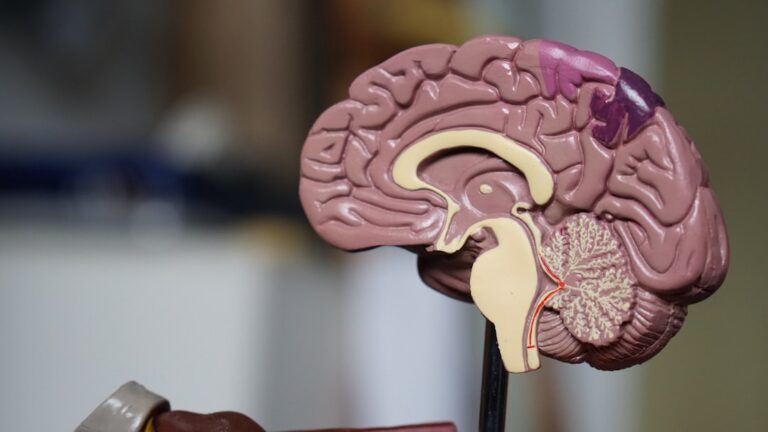
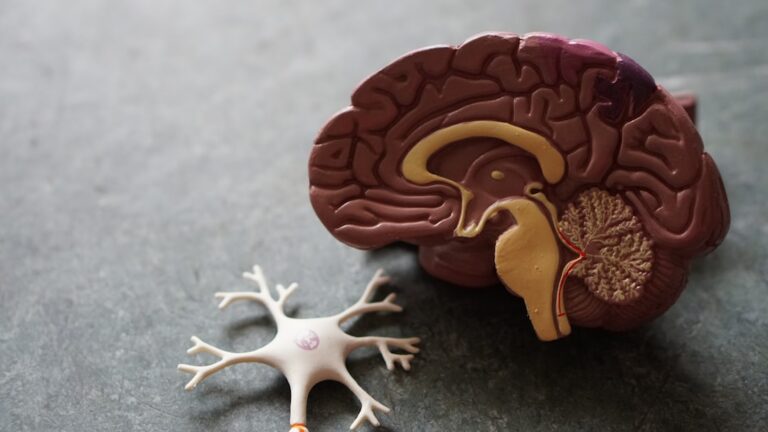
While the study didn’t delve into specific neurobiological markers, previous research on the placebo effect has implicated various brain regions and neurochemical pathways. The expectation of relief or improvement can trigger the release of natural opioids (endorphins), dopamine (associated with reward and motivation), and cannabinoids, which can modulate pain, mood, and even cognitive function. It’s plausible that similar pathways are activated even in open-label scenarios, driven by the conscious or subconscious belief in the body’s capacity for self-regulation and healing.
Implications for Longevity and Well-being
For those committed to enhancing their longevity and overall well-being, these findings offer a profound takeaway: the mind is a potent, often underutilized, resource. This isn’t to suggest that placebos should replace proven medical treatments, but rather that understanding and harnessing the mind’s capacity for self-healing can be a valuable adjunct to conventional approaches.
- Cultivating Positive Expectation: Fostering an optimistic outlook and believing in one’s capacity for improvement can itself be a therapeutic tool.
- Mindfulness and Self-Care Rituals: Engaging in routines that promote well-being, even if they seem purely symbolic, can have real physiological benefits.
- Stress Management: The study’s finding on reduced stress is particularly significant, as chronic stress is a known impediment to cognitive function and overall health. Any strategy that helps mitigate stress, including the psychological comfort offered by a placebo, can be beneficial.
Ultimately, this research serves as a powerful reminder of the intricate connection between our mental state and our physical health. It encourages us to look beyond purely biomedical explanations and embrace a more holistic view of well-being, where our beliefs, expectations, and internal narratives play a crucial role in shaping our health outcomes as we age.
Explore more in our Nutrition & Performance coverage.
🔬 Scientific Takeaway
A recent study found that healthy older adults experienced measurable improvements in memory, physical performance, and stress levels after taking placebo pills for just three weeks. Remarkably, these positive effects often occurred even when participants were fully aware that the pills contained no active ingredients, highlighting the significant influence of the mind-body connection and expectation on health outcomes.
Sources & References
Photo by Ravi Patel on Unsplash.
Medical Disclaimer: This article is AI-assisted and reviewed by the Vitalheros editorial team. It is provided for informational purposes only and is not a substitute for professional medical advice, diagnosis, or treatment. Always consult a qualified healthcare provider. Reviewed by The Vitalheros Editorial Team.