Revolutionizing Medical Training: Neck-Mounted Cameras for Skill Assessment
Some links in this article are affiliate links. As an Amazon Associate and partner of other programs, Vitalheros may earn a commission from qualifying purchases, at no extra cost to you. This never influences our editorial coverage.
In the rigorous journey of becoming a physician, mastering clinical skills is paramount. From accurately taking a patient’s history to performing intricate physical examinations, these competencies form the bedrock of effective medical practice. However, assessing these hands-on skills has long presented a challenge for medical educators, often relying on subjective observation and the limitations of real-time recall. Now, a technological innovation is offering a new perspective: neck-mounted cameras that capture a medical student’s point of view during clinical encounters, promising to enhance the precision and objectivity of skill assessment.
This shift represents a significant step forward in medical education, moving towards more detailed, data-driven evaluation methods. By providing an unbiased, first-person record of a student’s actions, these cameras are not just a novel gadget; they are a tool poised to refine how future healthcare professionals are trained and evaluated, ultimately contributing to safer, more competent patient care.
The Intricacies of Clinical Skill Assessment
Traditionally, evaluating a medical student’s clinical proficiency has involved direct observation by a faculty member or a standardized patient simulation. While invaluable, these methods come with inherent limitations:
- Subjectivity: An observer’s perception can be influenced by various factors, leading to inconsistencies in evaluation.
- Real-time Demands: In the fast-paced clinical environment, it’s challenging for an observer to capture every nuance of a student’s technique, communication, and decision-making in real-time.
- Recall Bias: Feedback often relies on the observer’s memory, which can be incomplete or focused on more prominent events rather than subtle errors or exemplary actions.
- Limited Perspective: An observer typically sees the interaction from an external vantage point, missing the student’s direct field of view and the subtle cues they might be processing.
These challenges underscore the need for more objective and comprehensive assessment tools that can provide a richer, more accurate picture of a student’s clinical capabilities.
A New Lens: How Neck-Mounted Cameras Enhance Evaluation
Neck-mounted cameras offer a compelling solution by providing a direct, unvarnished record of a student’s clinical performance from their unique perspective. This technology transforms the assessment process in several key ways:
Capturing the Clinical Moment
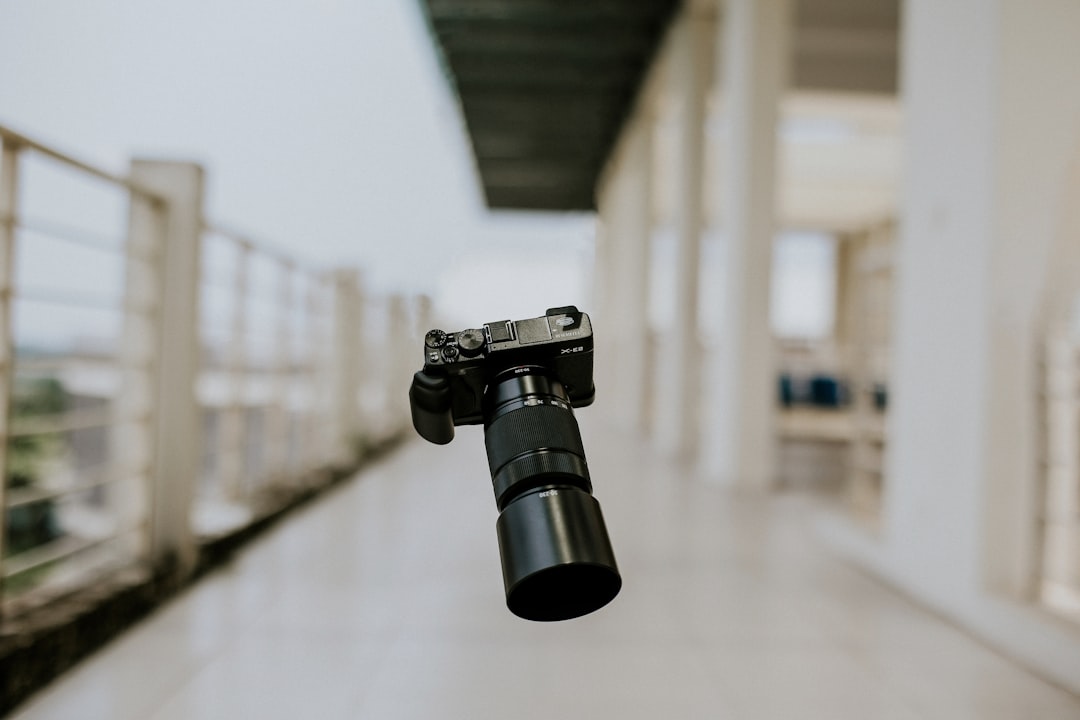
Equipped with a lightweight camera worn around the neck, students can record their interactions during simulated patient encounters or supervised clinical activities. This footage captures everything from their hand movements during an examination to their eye contact and body language during a patient interview. It’s an unfiltered, first-person view of their clinical engagement, providing context that traditional observation often misses.
Objective Review and Detailed Feedback
The true power of these cameras emerges during the debriefing phase. Educators can review the recorded footage multiple times, pausing, rewinding, and zooming in on specific moments. This allows for:
- Precision in Feedback: Instead of general comments, educators can pinpoint exact moments where a technique was flawed, communication could be improved, or a diagnostic step was missed.
- Identification of Nuances: Subtle errors or exemplary practices that might have gone unnoticed in real-time become apparent upon careful review.
- Standardized Evaluation: With a consistent visual record, educators can apply assessment rubrics more uniformly, potentially reducing inter-rater variability.
This level of detail transforms feedback from subjective critique into an evidence-based learning opportunity.
Fostering Self-Reflection and Mastery
Beyond external evaluation, the footage provides an invaluable tool for student self-assessment. By watching their own performance, students can gain critical insights into their strengths and areas for improvement. This active self-reflection is a cornerstone of adult learning and professional development, enabling students to take ownership of their learning trajectory and refine their skills more effectively. It cultivates a habit of critical self-analysis, essential for lifelong learning in medicine.
Broader Implications for Medical Education
The integration of neck-mounted cameras extends beyond individual skill assessment, promising systemic benefits for medical education.
Standardization and Reduced Bias
The consistent, objective record provided by these cameras can contribute to greater standardization in clinical skill assessment across different educators and institutions. By reducing reliance on individual observer bias, the evaluation process becomes fairer and more consistent, ensuring that all students are assessed against the same high standards of competency.
Enhancing Patient Safety Through Better Training
Ultimately, the goal of improved medical education is to produce highly competent and confident healthcare professionals. By providing more precise feedback and fostering deeper self-reflection, neck-mounted cameras contribute to a more robust training environment. Students who receive clearer, more actionable feedback are better equipped to refine their skills, leading to enhanced clinical performance and, consequently, improved patient safety and outcomes.
Navigating the Path Forward: Considerations and Challenges
While the benefits are clear, integrating neck-mounted cameras into medical curricula is not without its considerations. Ethical concerns surrounding patient privacy and data security must be rigorously addressed, ensuring that all recordings are handled with the utmost confidentiality and consent. The logistical challenges of data storage, processing, and integrating this technology into existing assessment frameworks also need careful planning and investment. Furthermore, faculty training will be crucial to maximize the educational potential of these tools, ensuring educators are adept at utilizing the footage for constructive feedback.
The Future of Clinical Competency
The advent of neck-mounted cameras in medical education signals a promising future where clinical skill assessment is more precise, objective, and deeply integrated with the learning process. This technology empowers both educators and students, offering a transparent window into performance that was previously unattainable. As medical training continues to evolve, embracing such innovations will be vital in preparing the next generation of physicians to meet the complex demands of healthcare with unparalleled competence and compassion.
Explore more in our Digital Health coverage.
🔬 Scientific Takeaway
Neck-mounted cameras offer a significant advancement in assessing medical student clinical skills by providing objective, first-person recordings of performance. This technology enables educators to deliver highly detailed, evidence-based feedback and empowers students through enhanced self-reflection. Ultimately, this leads to more precise evaluation, reduced bias, and improved training outcomes for future healthcare professionals.
Sources & References
Photo by Alphacolor on Unsplash.
Medical Disclaimer: This article is AI-assisted and reviewed by the Vitalheros editorial team. It is provided for informational purposes only and is not a substitute for professional medical advice, diagnosis, or treatment. Always consult a qualified healthcare provider. Reviewed by The Vitalheros Editorial Team.